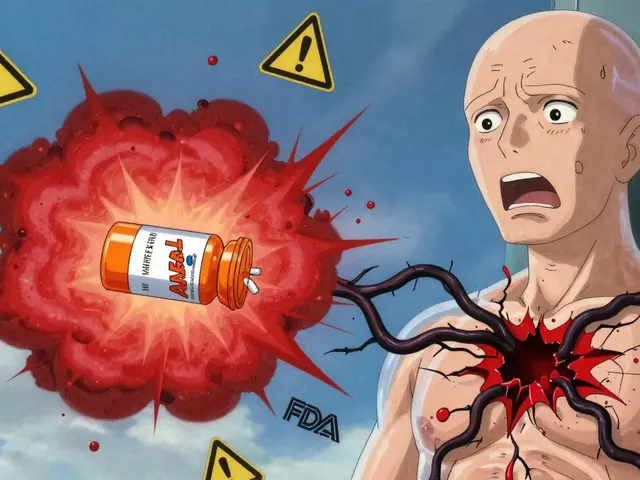
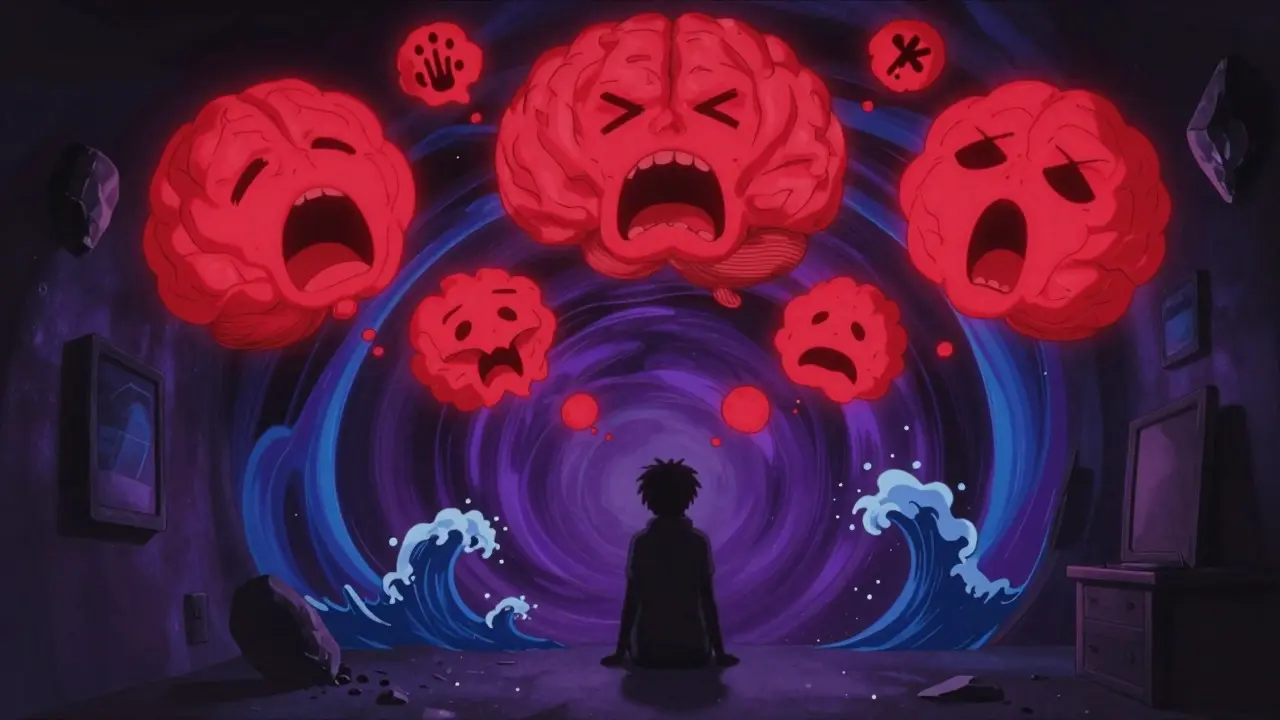
Does your brain ever turn a dull ache into a full-blown disaster movie? You feel a twinge in your back, and suddenly you’re convinced you’ll never walk again, that your life is over, and that nothing will help. If this sounds familiar, you aren’t just dealing with physical pain; you are likely experiencing pain catastrophizing. This mental trap amplifies suffering far beyond what the physical injury actually warrants. The good news is that you can rewire these patterns. Cognitive Behavioral Therapy (CBT) offers specific, evidence-based tools to dismantle these catastrophic thoughts and reduce the distress that keeps you stuck.
What Is Pain Catastrophizing?
Pain catastrophizing is more than just being pessimistic. It is defined by experts as an exaggerated negative mental set brought to bear during actual or anticipated painful experiences. When you catastrophize, your brain gets stuck in a loop of negative thinking that intensifies the pain signal itself. Research from the International Association for the Study of Pain (IASP) identifies it as one of the strongest psychological predictors of poor pain outcomes. In fact, studies suggest that how you think about your pain often matters more than the physical damage causing it.
This concept was systematically developed in the 1990s by researchers including Dr. Mick Sullivan. They identified three core dimensions that make up this cycle:
- Rumination: Repetitive, intrusive focus on pain symptoms. You can’t stop thinking about how much it hurts.
- Magnification: Exaggerating the threat value of the pain. You believe the pain is dangerous and will get worse indefinitely.
- Helplessness: Feeling unable to cope with the pain. You feel powerless to do anything to stop it.
When these three elements combine, they create a feedback loop. Your brain sends distress signals to multi-sensory integrative regions like the prefrontal cortex, which then amplifies the perception of pain. It’s not "all in your head" in the sense that it isn't real; it’s all in your head in the sense that your brain is actively turning up the volume.
How to Measure Your Catastrophizing Tendencies
You can’t fix what you don’t measure. The standard tool for assessing this mindset is the Pain Catastrophizing Scale (PCS). Developed by Sullivan et al. in 1995, this questionnaire consists of 13 items rated on a scale from 0 to 4. The total score ranges from 0 to 52.
| Score Range | Interpretation | Actionable Insight |
|---|---|---|
| 0 - 29 | Low to Moderate | You may experience occasional negative thoughts but generally cope well. |
| 30 - 52 | Clinically Significant | Your thoughts are likely amplifying pain. CBT intervention is highly recommended. |
A score of 30 or higher indicates clinically significant catastrophizing. Many multidisciplinary pain programs now include this assessment because reducing this score is directly linked to reduced pain intensity and improved daily functioning. If you suspect your score is high, tracking your thoughts is the first step toward lowering it.
Core CBT Tools to Break the Cycle
Cognitive Behavioral Therapy works by helping you recognize how catastrophic thoughts amplify your pain experience. It doesn’t try to eliminate pain entirely-that’s often impossible-but it reduces the suffering associated with it. Here are the primary tools used in CBT to tackle catastrophizing.
1. Self-Monitoring and Labeling
The first step is awareness. You need to catch the thought spiral before it takes over. Self-monitoring involves labeling your experiences into distinct categories: cognition (thoughts), emotion (feelings), and behavior (actions). For example, instead of just feeling "terrible," you label it: "I am having the thought that my back is broken (cognition), which makes me feel anxious (emotion), so I am staying in bed (behavior)." This separation helps unravel the tangled web of physical sensation and mental anguish.
2. Cognitive Restructuring
This technique helps you examine and "unhook" from negative thinking. When you have a catastrophic thought like "This pain will never end," you challenge it with evidence. Ask yourself:
- Is this thought 100% true?
- Have I had bad days before that got better?
- What would I tell a friend who had this thought?
The goal is to replace the catastrophic belief with a coping thought, such as "This pain is intense right now, but I have managed it before, and it will fluctuate."
3. Behavioral Activation
Catastrophizing often leads to avoidance. You avoid housework, social events, or exercise because you fear pain will worsen. Paradoxically, this avoidance weakens your body and increases fear. Behavioral activation encourages you to gently reintroduce activities, breaking them down into manageable steps. By acting despite the fear, you prove to your brain that the activity is safe, which reduces the magnification aspect of catastrophizing.

Why CBT Outperforms Other Approaches
While many therapies help with pain, CBT is uniquely effective for targeting the cognitive distortions of catastrophizing. A systematic review published by the IASP found that when studies specifically targeted pain catastrophizing, CBT showed significantly larger effect sizes compared to active controls. The effect size increased from -0.47 to -0.84 in targeted studies.
Other approaches like Acceptance and Commitment Therapy (ACT) show moderate effectiveness, but CBT remains the gold standard for changing the specific thought patterns of rumination and helplessness. Multimodal treatments that combine CBT with exercise demonstrate the strongest overall effects, suggesting that moving your body while managing your mind is the most powerful combination.
Real-World Challenges and Success Stories
Implementing CBT isn’t always easy. Many patients report that during high-pain episodes (e.g., 8/10 pain), the cognitive load required to use these techniques feels overwhelming. One user on a chronic pain forum noted, "When my pain is at 8/10, I simply don't have the mental energy to implement CBT techniques." This is a common hurdle. The solution is to practice these skills when pain is lower, so they become automatic habits ready for crisis moments.
However, the results can be transformative. A case study in the Journal of Pain Research documented a 45-year-old woman with fibromyalgia who reduced her PCS score from 42 to 18 over 12 weeks of CBT. This shift resulted in a 50% reduction in perceived pain intensity and allowed her to return to part-time employment. These stories highlight that while the work is hard, the payoff in quality of life is substantial.

Getting Started: A Practical Roadmap
If you want to start using CBT tools to reduce distress, follow this structured approach:
- Assess: Take the Pain Catastrophizing Scale to establish a baseline.
- Educate: Learn the difference between nociception (physical pain signals) and suffering (emotional reaction).
- Track: Keep a pain diary for two weeks. Note the pain level, the thought you had, and the emotion you felt.
- Challenge: Pick one catastrophic thought per day and write down three alternative, balanced interpretations.
- Act: Choose one small activity you’ve been avoiding and do it for five minutes, observing your thoughts without judgment.
Most people see reliable identification of their thought patterns within 3-4 weeks, with mastery of restructuring techniques taking 6-8 weeks. Consistency is key. You are essentially building new neural pathways to replace old ones.
Frequently Asked Questions
Is pain catastrophizing a personality trait?
No, it is not a fixed personality trait. While some people may be predisposed to negative thinking due to genetics or past trauma, pain catastrophizing is a learned response. Because it is learned, it can be unlearned through interventions like CBT. It is best understood as an unsuccessful problem-solving strategy rather than a character flaw.
How long does CBT take to work for pain catastrophizing?
A standard protocol typically lasts 8 to 12 weeks. Most patients begin to recognize their catastrophic thought patterns within the first 3 to 4 weeks. However, mastering the skills to consistently interrupt these thoughts and reduce distress usually takes 6 to 8 weeks of regular practice. Long-term benefits require ongoing maintenance of these techniques.
Can digital apps replace therapy for pain catastrophizing?
Digital apps can be helpful supplements, especially for self-monitoring and accessing psychoeducation. There has been a 200% increase in digital CBT platforms since 2020. However, for clinically significant catastrophizing (PCS score >30), working with a trained therapist is more effective. Therapists provide personalized feedback and support that apps currently cannot match, particularly for complex cases involving comorbid depression or anxiety.
What is the connection between pain catastrophizing and depression?
There is a strong bidirectional link. Pain catastrophizing is associated with exaggerated negative mood and depression. Feelings of helplessness about pain can lead to depressive symptoms, and depression can lower your threshold for pain, increasing catastrophizing. Treating one often helps alleviate the other, which is why integrated care addressing both mood and pain is recommended.
Why does my brain amplify pain when I worry about it?
Neuroimaging studies show that catastrophic thoughts correlate with increased activity in the dorsolateral and medial prefrontal cortices. These brain regions integrate sensory information with emotional context. When you worry, your brain interprets the pain signal as a greater threat, releasing stress hormones and heightening nerve sensitivity. Essentially, your fear turns up the volume on the pain signal.