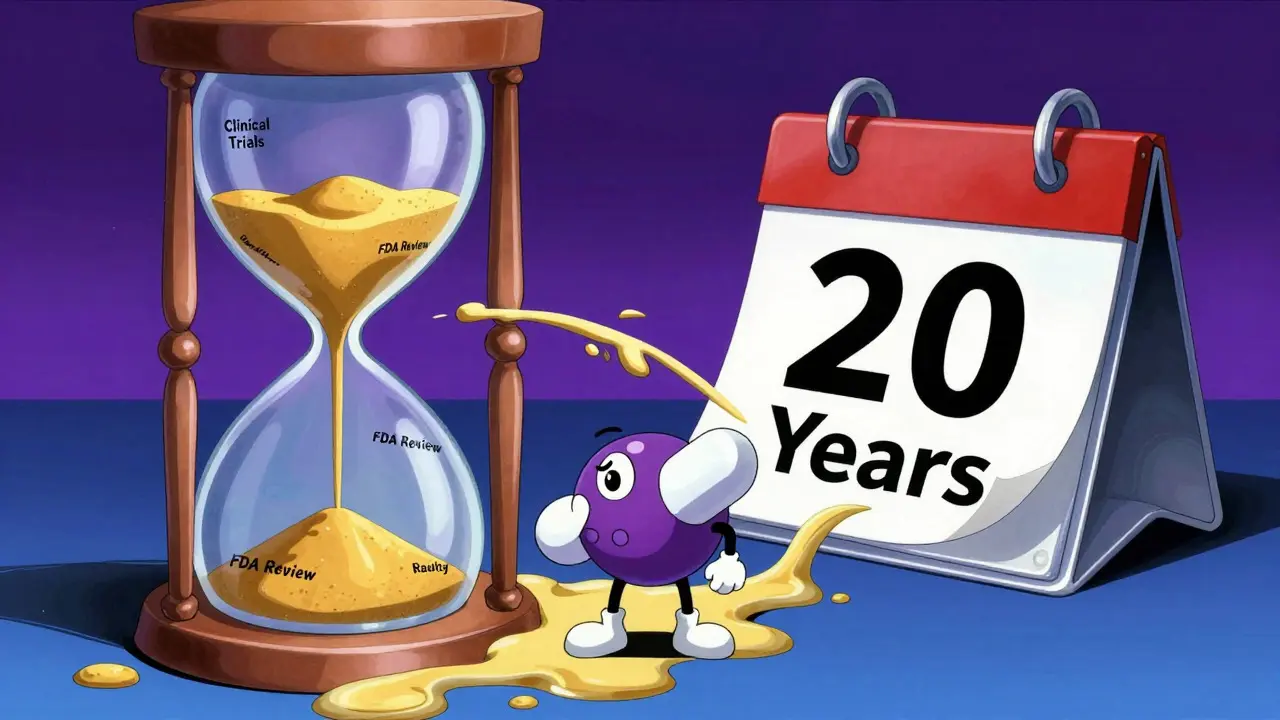
You see the label on a new medication box and assume the company has a monopoly for 20 years. That’s what the law says, right? Wrong. If you dig into how pharmaceutical innovation actually works, that 20-year number is misleading. The reality is much more complex, and it explains why drug prices stay high until suddenly they don’t.
The gap between the legal patent term and the time a drug can actually be sold at a premium is called effective patent life. This concept is crucial for understanding why generic drugs appear when they do, why some blockbusters keep selling for decades, and why the industry fights so hard over intellectual property. Let’s break down why your assumption about the 20-year clock is off by several years.
The 20-Year Myth vs. Reality
Under U.S. law, specifically 35 U.S.C. § 154(a)(2), a standard utility patent lasts for exactly 20 years from the earliest effective filing date. This rule was solidified globally by the Agreement on Trade-Related Aspects of Intellectual Property Rights (TRIPS) in the mid-1990s. Before that, U.S. patents lasted 17 years from the issue date. The shift to 20 years from filing seemed fair on paper, but it created a massive disconnect for pharmaceutical companies.
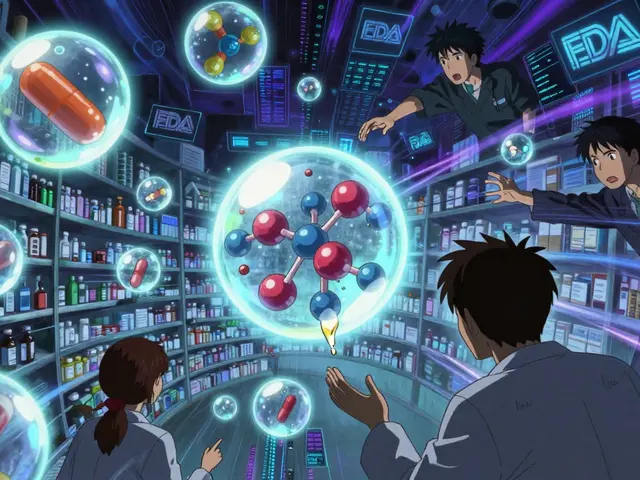
Here is the problem: You file for a patent on day one of discovering a new molecule. But you can’t sell that molecule for another decade. During those ten years, you are burning cash on pre-clinical testing, Phase I, II, and III clinical trials, and waiting for regulatory approval. You have zero revenue, but the patent clock is ticking away. By the time the Food and Drug Administration (FDA) finally approves the drug, roughly half of that original 20-year protection might already be gone.
Data from Drug Patent Watch (2023) shows that research and development typically consume five to ten years of the nominal term. This leaves an average effective patent life of only about 13.35 years total, or roughly 7 to 10 years of actual market exclusivity after approval. For a company that spent billions developing the drug, selling it for less than a decade before generics flood the market is a financial nightmare.
How the Hatch-Waxman Act Tries to Fix It
To balance this, Congress passed the Drug Price Competition and Patent Term Restoration Act of 1984Hatch-Waxman Act. The goal was simple: encourage innovation by giving companies back some of the time lost during FDA review, while still allowing generics to enter the market eventually to lower costs.
This act introduced Patent Term Extension (PTE). Think of PTE as a rebate on your patent clock. It allows the USPTO to extend the expiration date of a core patent to offset the time spent in clinical trials and regulatory review. However, there are strict caps:
- The extension cannot exceed five years.
- The total period of market exclusivity after FDA approval cannot exceed 14 years.
- Only one patent per drug product can be extended.
Even with these extensions, the window remains tight. The Congressional intent, documented in the Yale Law and Policy Review (2017), was that breakthrough innovations would receive no more than 14 years of post-approval protection. This framework assumes a linear path from discovery to sale. In practice, however, pharma companies found ways to stretch this timeline significantly.
The Role of Secondary Patents and Evergreening
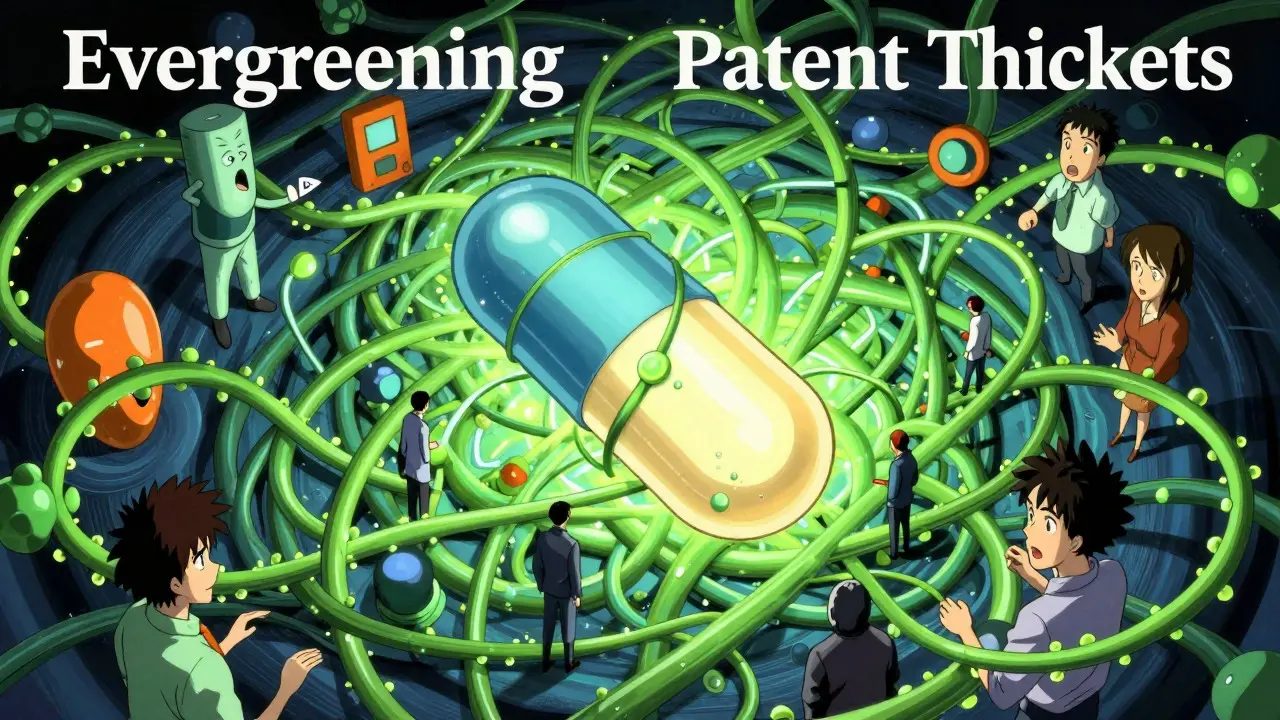
If the core patent expires, doesn’t the monopoly end? Not necessarily. This is where the strategy gets aggressive. Companies use secondary patents to create what experts call "patent thickets." These are additional patents filed not on the active ingredient itself, but on related aspects of the drug.
A study by the R Street Institute (2023) analyzed 432 new drugs approved between 1985 and 2005. They found that secondary patents were extremely common, providing an average of six to seven additional years of protection beyond the core patent. Higher-selling drugs were 37% more likely to obtain these secondary patents compared to lower-revenue ones.
What kind of things get patented?
- New formulations (e.g., switching from a twice-daily pill to an extended-release once-daily version).
- New delivery mechanisms (patches, inhalers, injectables).
- New indications (using the same drug to treat a different disease).
- Metabolites, prodrugs, or specific chemical salts.
This practice is often referred to as evergreening. According to the Yale Law and Policy Review, 91% of drugs that obtain patent term extensions continue their monopolies well past the expiration of those extensions through these secondary strategies. Critics argue this circumvents the spirit of the Hatch-Waxman Act, which envisioned clear endpoints for exclusivity.
Regulatory Exclusivity: A Separate Shield
Patents aren’t the only barrier to generic entry. The FDA grants various types of regulatory exclusivity that operate independently of patent law. Even if a patent is weak or expired, these exclusivities prevent the FDA from approving a generic application for a set period.
| Type of Exclusivity | Duration | Criteria |
|---|---|---|
| New Chemical Entity (NCE) | 5 years | First approval of a drug containing a new active ingredient not previously approved. |
| New Clinical Investigation | 3 years | Clinical investigations essential to approval (e.g., new dosage form or indication) for non-NCE drugs. |
| Orphan Drug | 7 years | Drugs designated for rare diseases affecting fewer than 200,000 people in the U.S. |
| Pediatric Exclusivity | 6 months | Added to all existing patents and exclusivities if pediatric studies are completed within timelines. |
These periods run concurrently with patents but provide a safety net. For example, if a core patent expires but the 5-year NCE exclusivity is still active, no generic Abbreviated New Drug Application (ANDA) can even be submitted to the FDA until that exclusivity lapses. This layering of protections makes predicting the exact moment of generic entry incredibly difficult for payers and hospitals.
The Patent Cliff and Economic Impact
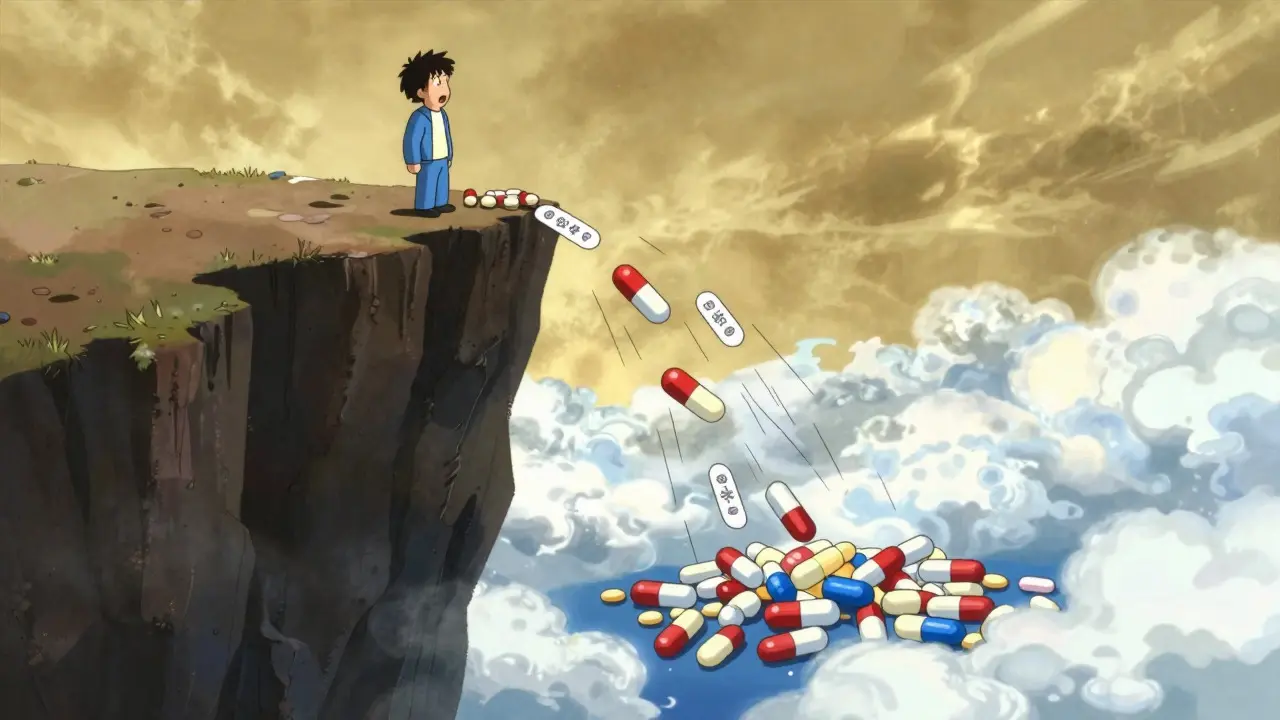
When all protections finally expire, the drug hits the Patent Cliff. This is the point where the last enforceable intellectual property right expires, allowing generic manufacturers to launch equivalent products. The economic impact is immediate and severe.
Within the first year of generic entry, market prices for the drug typically drop by 80% to 90%. For the innovator company, this means a dramatic revenue decline. EY (2023) notes that global sales of drugs facing patent expiration are projected to reach $250 billion annually by 2025. This creates immense pressure on pharma firms to manage their lifecycle strategies aggressively.
For managed care stakeholders and insurers, the patent cliff is a double-edged sword. On one hand, generic availability drastically reduces costs. On the other hand, the timing is unpredictable due to the complex interplay of primary patents, secondary patents, and regulatory exclusivities. Formulary planners struggle to forecast when a brand-name drug will become affordable, complicating long-term budgeting.
International Variations in Protection
While the U.S. system under Hatch-Waxman is unique, other countries have similar mechanisms to compensate for regulatory delays. However, the length and scope vary significantly.
- Canada: Offers a Certificate of Supplementary Protection (CSP) for a maximum of 24 months after patent expiration for new medicinal ingredients.
- Japan: Provides Patent Term Extension (PTE) of up to 5 years to compensate for regulatory delays, similar to the U.S. model.
- European Union: Uses Supplementary Protection Certificates (SPCs) that can add up to 5 years of protection, plus an additional 6 months for pediatric data.
These differences influence where companies choose to conduct trials and how they prioritize global launches. A drug might face generic competition in Canada two years earlier than in the U.S. or Europe, affecting pricing strategies and revenue projections across regions.
Navigating the 30-Month Stay
One of the most tactical tools in the patent arsenal is the 30-month stay provision. When a generic company files an ANDA challenging a listed patent, the brand-name holder has 45 days to sue for infringement. If they do, the FDA automatically pauses the approval of the generic for 30 months.
This pause gives both sides time to litigate. If the court rules in favor of the generic manufacturer before the 30 months are up, the stay ends early, and the FDA can approve the generic. If the case drags on, the brand company buys significant extra time in the market. This provision is frequently used as a strategic delay tactic, further extending the effective patent life beyond what the statutory terms suggest.
Why Effective Patent Life Matters to You
Understanding effective patent life isn’t just for lawyers and executives. It impacts healthcare costs, access to medicines, and the pace of medical innovation. The current system incentivizes big pharma to invest billions in high-risk R&D because they know they’ll have a temporary monopoly to recoup those costs. Without that exclusivity, many argue, fewer new drugs would be developed.
However, the aggressive use of secondary patents and evergreening strategies suggests the system may be skewed too far toward protecting incumbents rather than fostering timely competition. As regulators and policymakers debate reforms, the tension between rewarding innovation and ensuring affordable access remains central to pharmaceutical policy.
What is the difference between nominal patent life and effective patent life?
Nominal patent life is the full 20-year term granted by law from the filing date. Effective patent life is the actual time a drug enjoys market exclusivity after FDA approval, which is typically only 7 to 10 years because the first 10-13 years are consumed by research, development, and regulatory review.
How does the Hatch-Waxman Act affect drug pricing?
The Hatch-Waxman Act balances innovation and competition. It allows for Patent Term Extensions to compensate for time lost during FDA review, encouraging companies to invest in new drugs. Simultaneously, it creates a pathway for generic entry via ANDAs, which drives prices down by 80-90% once exclusivity ends.
What are secondary patents and why do companies use them?
Secondary patents cover aspects like new formulations, dosages, or delivery methods rather than the core active ingredient. Companies use them to create "patent thickets" that delay generic entry even after the main patent expires, a strategy known as evergreening.
What is the Patent Cliff?
The Patent Cliff refers to the sharp decline in sales revenue a pharmaceutical company experiences when its key patents expire and generic competitors enter the market. Prices typically plummet within the first year of generic availability.
Can a drug have market exclusivity without a patent?
Yes. Regulatory exclusivities, such as New Chemical Entity (5 years) or Orphan Drug (7 years) status, prevent the FDA from approving generic applications regardless of patent status. These provide an additional layer of protection independent of intellectual property rights.