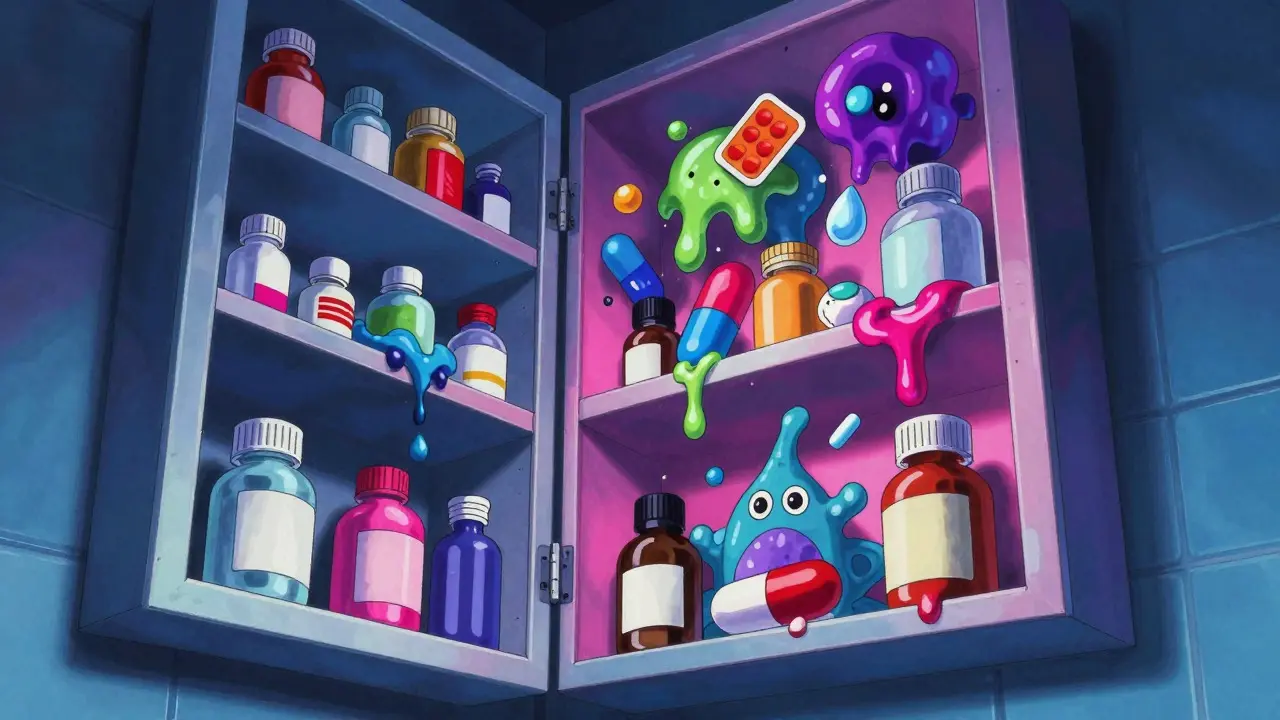
Check your bathroom cabinet right now. How many pill bottles are sitting there with expiration dates from years ago? Maybe a few leftover antibiotics from that cold last winter? Or painkillers you barely touched after surgery? It’s not just clutter; it’s a potential hazard. Leaving these medications lying around invites misuse by family members or guests, risks accidental poisoning for kids and pets, and pollutes our water supply when they’re flushed down the toilet.
The solution isn’t complicated, but timing is everything. The National Prescription Drug Take-Back Day is a biannual event organized by the U.S. Drug Enforcement Administration (DEA) allowing Americans to safely dispose of unused and expired prescription medications at no cost. If you’ve ever wondered what actually happens on this day, how it works, and whether it’s worth the trip, here is exactly what you need to know to handle your medicine cabinet cleanup correctly.
When and Where Does It Happen?
You can’t just drop off meds whenever you feel like it during these events. The Drug Enforcement Administration (DEA) keeps the schedule tight to manage logistics. These events typically occur twice a year: once in April and again in October. Specifically, they are held on the last Saturday of those months.
For example, the upcoming event is scheduled for October 25, 2025. The windows are short-usually from 10 a.m. to 2 p.m. local time. That’s only four hours. If you miss it, you have to wait six months for the next one. However, don’t panic if you forget. There are over 14,000 permanent collection sites across the country that accept drugs year-round. But the Take-Back Days offer something special: massive coordination, higher visibility, and often more convenient temporary locations like community centers or parking lots near police stations.
To find a site near you, you don’t need to call around. The DEA provides a locator tool on their website, and many people use the "Dispose My Meds" mobile app. As of 2025, there are nearly 4,600 collection sites participating in these specific days. Whether it’s a hospital pharmacy, a retail store, or a dedicated law enforcement station, the process is standardized nationwide.
What Can You Actually Drop Off?
This is where most people get confused. Not every medical waste item belongs in the bin. The program is designed specifically for solid prescription medications. Here is the breakdown:
- Tablets and Capsules: These are the primary targets. Any unused pills go here.
- Patches: Fentanyl or nicotine patches should be folded in half (sticky side together) before dropping them in.
- Liquids: This includes cough syrups or liquid antibiotics. You cannot pour them into the bin. They must remain in their original containers, tightly sealed. If the cap is loose, secure it with tape.
There are strict exclusions too. You cannot drop off syringes, needles, or other sharps. Those require separate hazardous waste handling. Illicit drugs are also generally excluded unless specified by local law enforcement, though policies can vary slightly by state. Personal information on the bottle labels is protected; collectors do not look at who owns the meds. It’s anonymous.
| Acceptable Items | Not Accepted |
|---|---|
| Unused prescription pills (tablets/capsules) | Syringes and needles (sharps) |
| Transdermal patches (folded) | Illicit street drugs (varies by location) |
| Liquid meds in sealed original bottles | Household chemicals or batteries |
| Expired over-the-counter meds (check local rules) | Loose powders without containers |
Why Flush Is No Longer the Answer
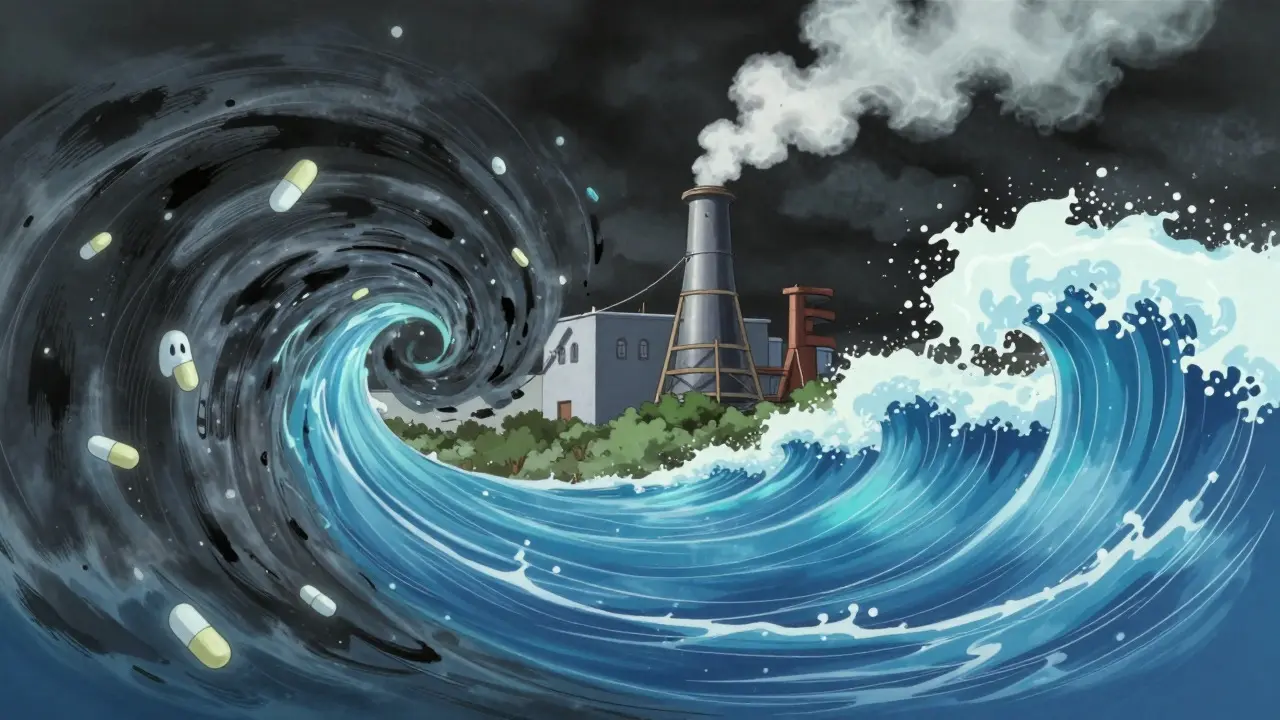
For decades, the advice was simple: flush it. Many drug labels still say "flush if unused." Why the change? Environmental science caught up with public health needs. When you flush medications, they travel through sewage treatment plants, which aren’t designed to filter out complex pharmaceutical compounds. These chemicals end up in rivers, lakes, and eventually drinking water sources.
Trace amounts of opioids, antidepressants, and hormones in waterways have been linked to ecological damage, affecting fish reproduction and aquatic life. More importantly, flushing contributes to the broader problem of drug persistence in the environment. The Take-Back program offers a safer alternative: incineration. Collected drugs are transported securely to facilities where they are burned at high temperatures, destroying the active ingredients completely without releasing harmful residues into the soil or water.
Dr. Nora Volkow, Director of the National Institute on Drug Abuse, has highlighted that millions of Americans misuse prescription pain relievers, often sourced from home medicine cabinets. By removing access to these unused drugs, we reduce the temptation for misuse within households. It’s a small step for you, but a significant barrier against addiction for others.
The Process: What to Expect at the Site
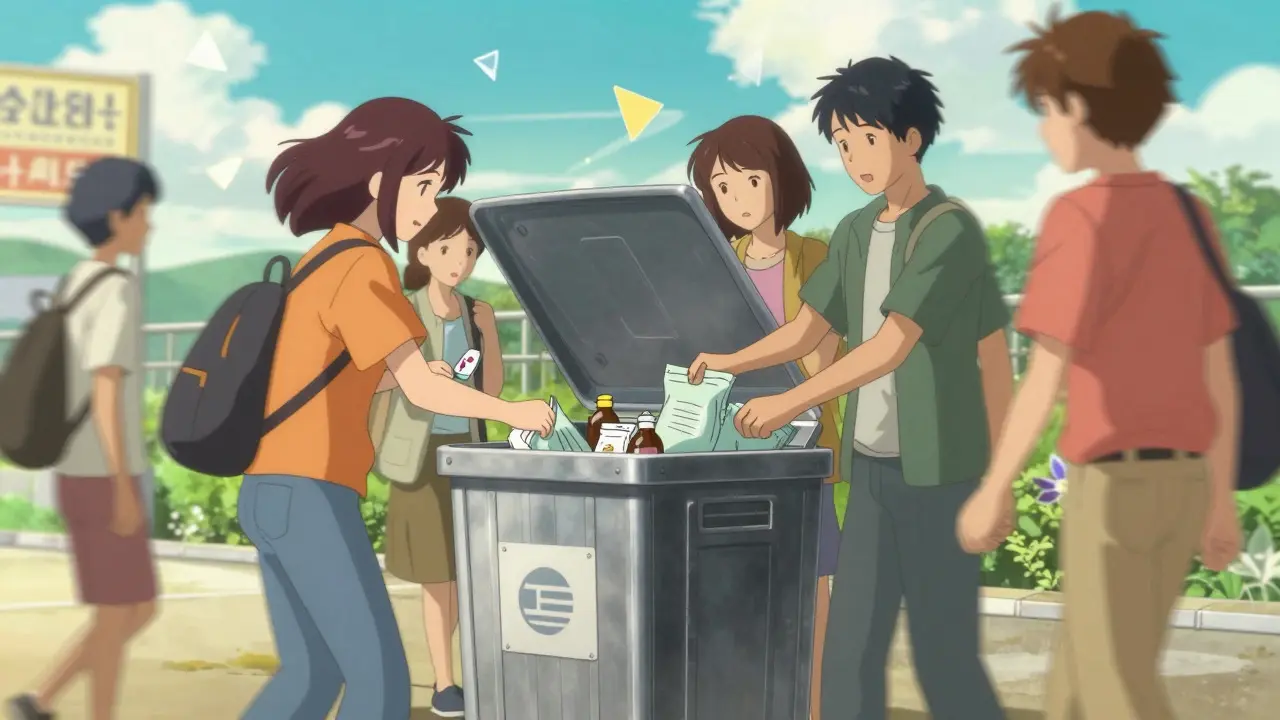
If you’re worried about privacy, put your mind at ease. The entire process is designed to be quick and anonymous. You drive up to a designated collection box, usually located in a secure area monitored by law enforcement or volunteers. There are no questions asked. No one checks your ID. No one asks why you have leftover morphine or anxiety medication.
Simply open the lid of the collection receptacle and drop your sealed bottles or bags inside. The whole transaction takes less than two minutes. In 2025, the April event alone collected over 620,000 pounds of medication. That’s nearly 310 tons of potential danger removed from homes in a single weekend. After the event ends, law enforcement maintains custody of the bins until they are transported to approved disposal facilities.
Some sites, particularly hospitals or pharmacies, might offer educational materials while you wait. They might hand out brochures on how to identify signs of opioid misuse or tips on keeping medicine cabinets child-proof. It’s an opportunity to learn, not just dump.
What If You Miss the Date?
Life gets busy. You might miss the October window. Does that mean your expired drugs stay in your cabinet for another six months? Not necessarily. While the National Take-Back Day is the biggest coordinated effort, it’s not the only option.
The DEA authorizes thousands of permanent collection sites. These are often found at:
- Police departments and sheriff’s offices.
- Hospital pharmacies.
- Certain retail pharmacies like Walgreens or CVS (check locally, as participation varies).
If you truly have no access to a collection site, the FDA provides guidelines for home disposal. Mix the drugs with an unappealing substance like dirt, cat litter, or used coffee grounds. Place the mixture in a sealed plastic bag and throw it in the household trash. Remove or scratch out any personal information on the bottle before discarding it. This method makes the drugs hard to retrieve and consume, reducing abuse potential, though it’s not as environmentally clean as incineration.
Impact on Community Health
The numbers tell a compelling story. Since the program launched in 2010, nearly 20 million pounds of prescription drugs have been collected. This isn’t just about cleanliness; it’s about safety. Reducing the availability of unused opioids in homes directly correlates with lower rates of accidental ingestion by children and decreased opportunities for diversion to friends or strangers.
Community feedback has been overwhelmingly positive. Surveys indicate that convenience and anonymity are the top reasons people participate. For families dealing with addiction history, seeing those empty bottles disappear can provide psychological relief. It signals a fresh start. For parents, it’s peace of mind knowing their teenager won’t stumble upon leftover Adderall or Percocet.
As we move forward, the DEA is expanding efforts to reach rural areas, where access to collection sites has historically been sparse. Mobile collection units are being deployed to bring the service closer to underserved communities. The goal is clear: make safe disposal easier than improper disposal.
Is National Prescription Drug Take-Back Day free?
Yes, the service is completely free for residents. There are no fees for dropping off your unused medications.
Do I need to bring my ID to drop off drugs?
No, the process is anonymous. You do not need to show identification or answer questions about the medications you are disposing of.
Can I drop off over-the-counter medications?
Generally, yes. Most collection sites accept both prescription and over-the-counter medications, provided they are in their original containers. However, always check with your specific local site for any restrictions.
What happens to the drugs after they are collected?
The collected medications are transported securely to approved facilities where they are incinerated. This high-temperature burning destroys the drugs completely, preventing environmental contamination.
Are there collection sites available year-round?
Yes, there are over 14,000 permanent collection sites across the U.S., including police stations and pharmacies, that accept medications outside of the biannual Take-Back Days.