
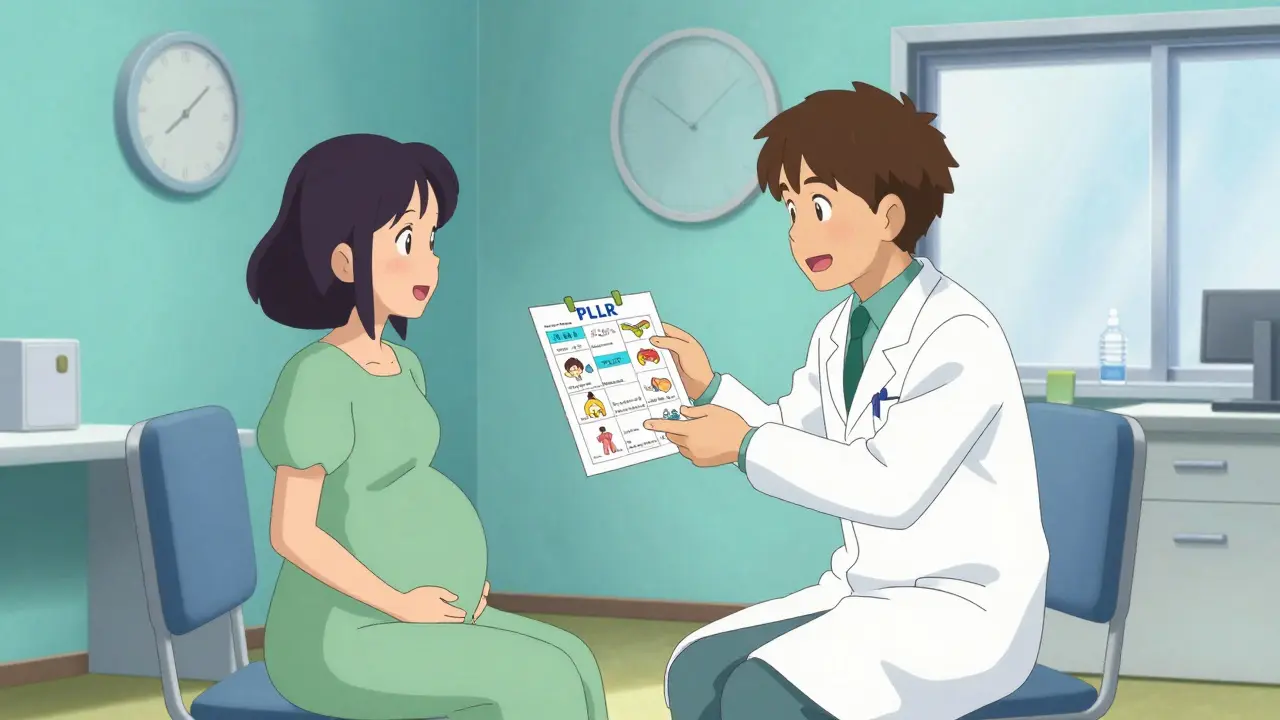
When we talk about medications to avoid while pregnant is the process of identifying pharmaceuticals that can cross the placenta and cause fetal harm, birth defects, or pregnancy complications. This isn't just about old warnings; the guidelines evolve as new data comes in. For instance, the FDA moved away from simple letter categories (A, B, C, D, X) in 2015 toward the Pregnancy and Lactation Labeling Rule (PLLR), which provides detailed narrative descriptions of risks rather than a one-letter grade. This shift helps you and your doctor have a real conversation about risks versus benefits.
High-Risk Medications You Must Avoid
Some drugs are strictly off-limits because the risks to the baby far outweigh any benefit to the mother. One of the most dangerous is Isotretinoin, used for severe acne. It carries a staggering risk of over 25% for severe birth defects involving the heart and central nervous system. Similarly, Warfarin, a blood thinner, can cause "fetal warfarin syndrome," which leads to skeletal abnormalities and distinct facial features. If you're on these, the conversation with your doctor needs to happen before you conceive.
Then there are the medications that might be safe at one point but become dangerous as the pregnancy progresses. NSAIDs (Non-Steroidal Anti-Inflammatory Drugs) like ibuprofen and naproxen are a prime example. The FDA warns against using these after 20 weeks of gestation. Why? Because they can cause fetal kidney failure and a condition called oligohydramnios, where the baby doesn't have enough amniotic fluid. In some cases, this can lead to preterm birth or stillbirth.
For those managing chronic conditions, some medications require an immediate switch. ACE inhibitors (like lisinopril) and ARBs (like valsartan) used for high blood pressure are linked to a 30-50% risk of fetal renal failure. If you find out you're pregnant while on these, call your provider immediately to transition to a safer alternative.
The Acetaminophen Debate: Is Tylenol Still Safe?
For decades, Acetaminophen (Tylenol) was the gold standard for pregnancy pain relief. However, recent evidence has complicated this. A 2021 study involving 95,000 mother-child pairs suggested a nearly 29% increased risk of ADHD and a 20% increase in autism spectrum disorder with prolonged use. The FDA issued a notice to physicians in September 2025 suggesting a more precautionary approach.
Does this mean you should never take Tylenol? Not necessarily. It's a balancing act. For example, a high fever (102°F or higher) is actually more dangerous for a developing baby than a short course of acetaminophen. Hyperthermia can increase the risk of neural tube defects by over 8 times. The current rule of thumb is to use the lowest effective dose (325-650 mg) for the shortest time possible and avoid using it for routine, low-grade fevers.
Safe Alternatives for Common Pregnancy Ailments
You don't have to just "tough it out" through the discomforts of pregnancy. There are evidence-based alternatives that have been vetted by registries like MotherToBaby. For allergies, second-generation antihistamines are generally the way to go. Loratadine (Claritin) and Cetirizine (Zyrtec) have extensive safety data showing no increased risk of birth defects.
If you're struggling with a stuffed nose, start with saline sprays. If those don't work, pseudoephedrine (Sudafed) is typically acceptable after the first trimester, though you should be careful if you have hypertension since it can bump up your blood pressure.
| Symptom | Avoid This | Try This Instead | Notes |
|---|---|---|---|
| Pain/Fever | Ibuprofen / Naproxen | Acetaminophen | Use lowest dose for shortest time |
| Allergies | First-gen antihistamines | Loratadine / Cetirizine | Generally safe throughout pregnancy |
| Constipation | Stimulant Laxatives | Docusate Sodium / PEG | Increase fiber (25-30g) first |
| Acne | Isotretinoin | Topical substitutes | Isotretinoin is strictly forbidden |
| Blood Pressure | ACE Inhibitors / ARBs | Labetalol / Methyldopa | Consult doctor for immediate switch |
Managing Chronic Conditions and Mental Health
If you have epilepsy or depression, the decision of whether to stay on medication is complex. For those taking Valproic Acid, the risk of major malformations is about 10.7%. Switching to lamotrigine or levetiracetam before conception can drop that risk significantly. This is why preconception counseling is so vital-it's much easier to change a med before the baby is already developing.
Mental health is just as important. While some SSRIs like paroxetine have a slightly higher risk of cardiac defects, the risk of untreated maternal depression is often worse. Untreated depression can increase the risk of preterm birth by 64% and low birth weight by 73%. It's not a matter of "drug vs. no drug," but rather "managed illness vs. unmanaged illness." Always weigh the risk of a relapse against the potential risks of the medication with your psychiatrist.
A Guide to Medication Safety by Trimester
The risk profile of a medication changes depending on when you take it. The first trimester (weeks 1-12) is the most critical window because this is when organogenesis-the formation of the baby's organs-happens. This is when you must be most vigilant about avoiding teratogens like isotretinoin and warfarin.
As you move into the second and third trimesters, the concerns shift toward fetal function and growth. This is where the NSAID warning becomes critical. By the 20th week, the fetal kidneys are functioning, and blocking certain prostaglandins with NSAIDs can shut them down or reduce amniotic fluid, leading to complications during delivery.
To keep yourself safe, follow these practical steps:
- Keep a running list of every medication, vitamin, and herbal supplement you take.
- Ask your doctor for the "PLLR" narrative for any new prescription.
- Use a trusted resource like MotherToBaby for fact sheets on specific drugs.
- Never stop a chronic medication (like antidepressants or blood pressure meds) abruptly without a doctor's plan.
Is Tylenol completely safe during pregnancy?
While it remains the preferred choice for pain, new evidence suggests that chronic or prolonged use may be linked to ADHD and autism. The best approach is to use the lowest effective dose for the shortest possible time and avoid using it for minor issues.
Can I take Advil or Aleve if I have a headache?
You should generally avoid NSAIDs like Advil (ibuprofen) and Aleve (naproxen), especially after 20 weeks of pregnancy, due to risks of fetal kidney failure and low amniotic fluid. Stick to acetaminophen or non-drug remedies.
What should I do if I accidentally took a forbidden medication?
First, don't panic. One-time exposure doesn't always result in a defect. Contact your OB/GYN or a maternal-fetal medicine specialist immediately. They can assess the specific drug, the dose, and the timing of the pregnancy to determine the next steps or necessary screenings.
Are all antibiotics safe for pregnant women?
No. Tetracyclines (like doxycycline) can cause tooth discoloration and bone growth issues in the baby. Fluoroquinolones (like ciprofloxacin) are also generally avoided due to potential musculoskeletal risks. Your doctor will choose pregnancy-safe options like penicillins or cephalosporins.
How do I know if a medication is safe if the label is confusing?
Look for the PLLR (Pregnancy and Lactation Labeling Rule) section on the drug's professional labeling. If that's too technical, the MotherToBaby pregnancy registry provides easy-to-read fact sheets based on real-world data from thousands of exposed pregnancies.
Next Steps for a Healthy Pregnancy
If you are currently taking a medication and are unsure of its safety, your first step is to create a comprehensive list of all dosages and frequencies. Schedule a dedicated "medication review" appointment with your provider rather than trying to squeeze it into a quick prenatal check-up. If you're planning a pregnancy, seek preconception counseling at least three months in advance to allow time for switching high-risk medications like valproate or warfarin to safer alternatives.