Imagine taking two separate medications that each feel like a gentle nudge toward relaxation. One helps you sleep; the other stops your pain. On their own, they seem manageable. But when you take them together, something invisible happens inside your body. Your breathing slows down. Your brain gets quieter. And without any warning signs, you might stop breathing entirely.
This isn't a hypothetical scenario from a medical drama. It is a daily reality for thousands of people who are prescribed both opioids and benzodiazepines. These two classes of drugs are among the most commonly prescribed in modern medicine, yet their combination creates a perfect storm for overdose and death. Understanding this interaction is not just about reading a label; it is about recognizing how these chemicals talk to your brain and why that conversation can turn fatal.
Why This Combination Is So Dangerous
To understand the risk, we have to look at what these drugs actually do. Opioids are powerful pain relievers that bind to mu-opioid receptors in the brain, effectively turning down the volume on pain signals. Common examples include oxycodone, hydrocodone, morphine, and fentanyl. Benzodiazepines, often called "benzos," enhance the effect of GABA-A receptors, which slows down nerve activity to reduce anxiety or induce sleep. Examples include alprazolam (Xanax), diazepam (Valium), and lorazepam (Ativan).
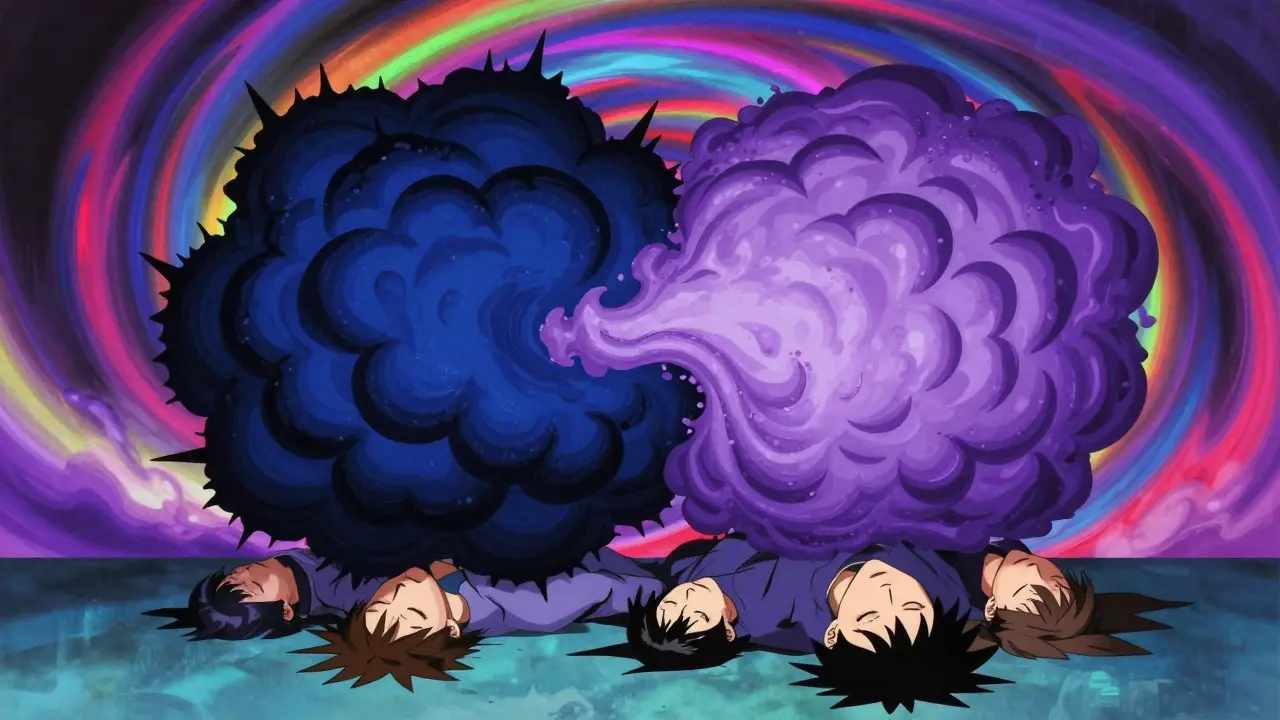
Individually, both drug classes depress the central nervous system. They make you drowsy. They slow your heart rate. They relax your muscles. When you combine them, they don't just add up; they multiply. This is called a synergistic effect. Think of it like two people pushing a car. If one person pushes, the car moves slowly. If both push together, the car doesn't just move twice as fast; it might skid out of control. In your body, this synergy hits your respiratory center-the part of your brainstem that tells your lungs to breathe.
The result is respiratory depression, where breathing becomes dangerously shallow or stops completely. You might feel fine while sitting upright, talking, or watching TV. But the moment you lie down to sleep, your airway muscles relax too much, and your drive to breathe fades. You could slip into a coma or die before anyone notices.
| Feature | Opioids | Benzodiazepines | Combined Effect |
|---|---|---|---|
| Primary Target | Mu-opioid receptors | GABA-A receptors | Dual CNS suppression |
| Main Use | Pain relief | Anxiety/Sleep | Increased sedation |
| Respiratory Impact | Slows breathing rate | Reduces airway patency | High risk of apnea |
| Sedation Level | Moderate to High | Moderate | Extreme/Coma-like |
The Hard Numbers Behind the Risk
You might think, "I've taken both before and nothing happened." That’s exactly what many people say until it’s too late. The statistics paint a stark picture. According to data from the Centers for Disease Control and Prevention (CDC) and the National Institute on Drug Abuse (NIDA), approximately 220 Americans die from opioid overdoses every day. Of those deaths, about 16% involve benzodiazepines.
But the real shocker is the relative risk. A study cited by the Hospital for Special Surgery found that patients taking both opioids and benzodiazepines had an overdose death rate 10 times higher than those taking opioids alone. Even more concerning, research published in JAMA Network Open showed that despite FDA warnings, nearly 15% of Medicare beneficiaries on long-term opioid therapy were still being prescribed benzodiazepines. In some cases, high-risk combinations involving extended-release opioids and long-acting benzos occurred in over 4% of cases.
Why does this happen? Often, different doctors prescribe these medications without knowing about the other prescription. Or a patient buys leftover pills from a friend or family member. The lack of communication turns a manageable situation into a lethal one.
How Your Body Reacts: The Physiology of Overdose
When you take opioids, your brain receives less oxygen because you aren't breathing deeply enough. Normally, if carbon dioxide builds up in your blood, your brain screams at your lungs to breathe faster. Opioids dull that alarm system. Benzodiazepines add another layer of danger by relaxing the muscles in your throat and tongue. This can cause your airway to collapse, leading to obstructive sleep apnea even if you’re awake.
A critical issue arises with metabolism. Some opioids, like fentanyl and oxycodone, are broken down by an enzyme called CYP3A4. Certain benzodiazepines, such as alprazolam, can inhibit this enzyme. When this happens, the opioid stays in your system longer and at higher concentrations. You might take a standard dose of painkiller, but your body processes it as if you took double. This pharmacokinetic interaction means the danger isn't just additive; it's chemical.
Symptoms of this dangerous interaction include:
- Extreme drowsiness or inability to stay awake
- Slow, shallow, or irregular breathing
- Confusion or slurred speech
- Pinpoint pupils (common with opioids)
- Blue tint to lips or fingernails (cyanosis)
If you see someone exhibiting these signs, especially after taking both types of medication, call emergency services immediately. Every minute counts.
Who Is Most at Risk?
While anyone combining these drugs faces danger, certain groups are particularly vulnerable. Older adults are top of the list. The American Geriatrics Society includes the opioid-benzodiazepine combination in its Beers Criteria, a guide listing potentially inappropriate medications for seniors. As we age, our bodies metabolize drugs more slowly. We also become more sensitive to their effects. For an older adult, a low dose that feels mild to a younger person can cause falls, confusion, or respiratory arrest.
People with existing sleep disorders, like sleep apnea, are also at high risk. Their airways are already prone to closing during sleep. Adding CNS depressants makes obstruction almost guaranteed. Similarly, individuals with liver or kidney disease may struggle to clear these drugs from their systems, leading to toxic buildup.
Even experienced users aren't safe. Tolerance to one drug does not mean tolerance to the other. A chronic opioid user might handle high doses of painkillers without issue, but introduce a benzodiazepine, and their respiratory drive can crash unexpectedly. This misconception-that "I'm used to this"-is a major driver of accidental overdoses.
Safety Strategies: How to Protect Yourself
If you must take both medications, strict precautions are non-negotiable. The FDA recommends avoiding this combination whenever possible. But if alternative treatments fail, here is how clinicians should manage the risk-and what you should expect:
- Start Low, Go Slow: Prescribers should use the lowest effective dose of both drugs. Never assume your usual dose is safe when adding a second CNS depressant.
- Monitor Closely: Regular check-ins are essential. Watch for increased sedation or changes in breathing patterns. Family members should know the signs of overdose.
- Avoid Alcohol: Alcohol is another CNS depressant. Adding it to opioids and benzodiazepines triples the threat level. Stick to water or non-alcoholic beverages.
- Use Naloxone: If you are on this combination, ask your doctor about carrying naloxone (Narcan). It can reverse opioid overdose by blocking opioid receptors, buying time until help arrives.
- Taper, Don’t Stop: Abruptly stopping either drug can cause severe withdrawal. Opioid withdrawal brings flu-like symptoms, while benzodiazepine withdrawal can trigger seizures. Always taper under medical supervision.
Technology is also helping. Many electronic health record systems now include alerts that warn doctors when they try to co-prescribe these medications. Studies show these alerts can reduce inappropriate prescribing by over 27%. However, human vigilance remains the final safeguard.
Alternatives and Future Directions
Medical science is actively seeking safer options. Non-opioid pain relievers, physical therapy, and cognitive behavioral therapy for anxiety are increasingly recommended as first-line treatments. For patients who truly need both drugs, short-acting formulations are preferred over long-acting ones, as they wear off quicker and allow for easier monitoring.
In hospice care, the calculus changes. For terminally ill patients, comfort often outweighs longevity concerns. Here, the benefit of pain and anxiety relief may justify the respiratory risk, provided careful monitoring is in place. But for the general population, the goal is prevention.
The CDC has awarded grants specifically to study these combined risks, aiming to develop better risk-stratification tools. Until then, knowledge is your best defense. Know what you are taking. Ask questions. And never underestimate the power of two quieting drugs working together.
Can I drink alcohol while taking opioids and benzodiazepines?
No. Alcohol is a central nervous system depressant. Combining it with opioids and benzodiazepines significantly increases the risk of respiratory depression, coma, and death. It is safest to avoid alcohol entirely when taking these medications.
What are the signs of an opioid and benzodiazepine overdose?
Key signs include extreme drowsiness, slow or shallow breathing, confusion, slurred speech, pinpoint pupils, and blue-tinged lips or nails. If someone is unresponsive and breathing poorly, call emergency services immediately.
Is it safe to take these drugs together if my doctor prescribed them?
It carries significant risk. Doctors should only prescribe this combination if no safer alternatives exist. Ensure all your providers know about every medication you take. Follow dosing instructions strictly and monitor for excessive sedation.
How long does it take for these drugs to leave your system?
This depends on the specific drug and individual metabolism. Short-acting benzodiazepines like alprazolam may last 11-15 hours, while long-acting ones like diazepam can remain for days. Opioids vary widely, from a few hours for fentanyl to several days for methadone. Liver and kidney function greatly influence clearance times.
Can naloxone reverse a benzodiazepine overdose?
Naloxone specifically reverses opioid effects. It does not directly reverse benzodiazepine overdose. However, since the combination causes respiratory failure, naloxone can restore breathing if opioids are contributing to the depression. Flumazenil exists for benzos but is rarely used due to seizure risks.