Stroke Rehabilitation: What Works, What Doesn’t, and How to Get Back on Track
When someone has a stroke, a sudden disruption of blood flow to the brain that can damage motor, speech, or cognitive functions. Also known as a cerebrovascular accident, it doesn’t end when the hospital stay does—what happens next, the stroke rehabilitation, a structured plan to restore function and independence after brain injury, makes all the difference.
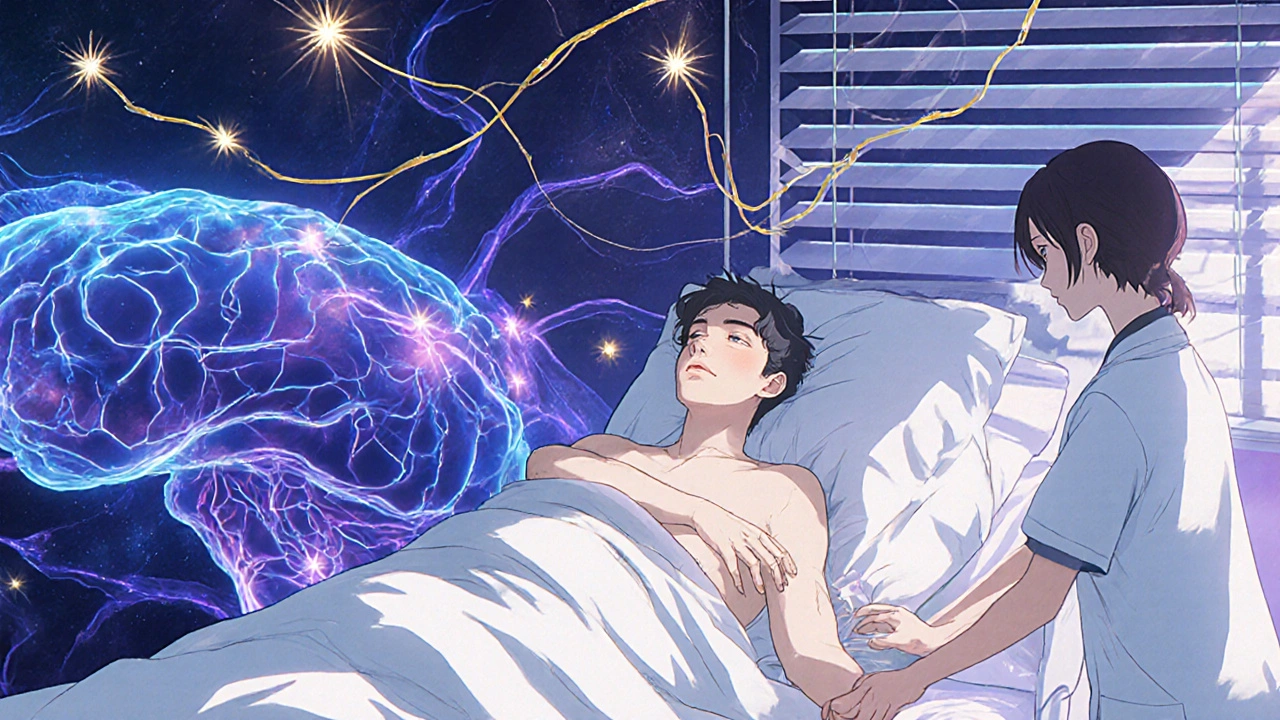
Recovery isn’t automatic. Your brain can rewire itself—this is called neuroplasticity—but only if you give it the right kind of practice. Physical therapy isn’t just stretching muscles; it’s teaching your brain new pathways to control movement. Speech therapy isn’t repeating words—it’s rebuilding the circuits that let you think, find language, and swallow safely. Occupational therapy helps you tie your shoes, hold a cup, or get dressed again—not because you’re supposed to, but because those small wins rebuild your confidence.
Many people assume recovery plateaus after six months. That’s a myth. Studies show people keep improving for years, especially when therapy is consistent and tailored. The key isn’t intensity alone—it’s repetition, purpose, and avoiding the trap of doing the same exercises over and over without progress. A therapist might use robotic arms, virtual reality, or even video games to make repetition feel less like work. But none of that matters if you’re not pushing yourself just beyond your comfort zone.
Medications don’t fix a stroke. They prevent another one. That means controlling blood pressure, cholesterol, and blood sugar. If you’re on blood thinners, you need to know the signs of bleeding. If you’re taking statins, you need to watch for muscle pain. Recovery isn’t just about your arms or your speech—it’s about your whole body staying stable so you don’t have another stroke.
Family support matters, but not in the way you think. It’s not about doing things for you. It’s about asking you to try, even when you’re frustrated. Letting you struggle a little builds resilience. Too much help? That’s how people lose motivation. Too little? That’s how depression creeps in. The best caregivers are the ones who listen, encourage, and step back when you need to figure it out yourself.
There’s no magic pill for stroke recovery. No supplement, no expensive machine, no miracle cure sold online. What works? Movement. Practice. Patience. And doing it every single day—even when you don’t feel like it. The posts below cover real stories and science-backed approaches: how to choose the right therapy, what to do when progress stalls, how to manage spasticity without drugs, why some people recover speech faster than others, and what to watch for when you’re home alone. These aren’t theory pieces—they’re what people actually use to get back to their lives.