When someone has epilepsy, it means their brain has a tendency to produce sudden bursts of electrical activity that cause seizures. It’s not just one thing-it’s a group of conditions with different causes, patterns, and treatments. The way we understand and classify epilepsy has changed a lot in recent years. In fact, the latest system from the International League Against Epilepsy (ILAE) was updated in January 2025, making it simpler and more accurate for doctors and patients alike. If you or someone you know has been diagnosed-or is trying to understand what’s happening-this guide breaks down the real details: what seizure types actually look like, what might trigger them, and how medications work today.
What Counts as Epilepsy?
Having one seizure doesn’t mean you have epilepsy. The official definition, backed by the ILAE and the CDC, says you need either two unprovoked seizures more than 24 hours apart, or one seizure with a high chance (at least 60%) of having another. Sometimes, doctors can diagnose epilepsy based on clear EEG patterns and symptoms even if only one seizure happened. This matters because treatment decisions depend on getting the diagnosis right. About 50 million people worldwide live with epilepsy, and in the U.S. alone, 3.4 million people are affected. Most people get diagnosed between childhood and early adulthood, but it can happen at any age.
The New Seizure Classification System (2025)
Old terms like “partial” or “complex partial” are gone. The 2025 update replaced them with clearer, more practical language. Seizures are now grouped into four main types: focal, generalized, unknown onset, and unclassified. This isn’t just renaming-it’s a major shift in how doctors think about seizures.
Focal seizures start in one area of the brain. They’re the most common, making up about 60% of all epilepsy cases. These are now split into two categories based on consciousness:
- Aware (used to be called “simple partial”): You stay fully awake and aware during the seizure. You might feel a strange smell, have tingling in your hand, or feel sudden fear-but you know what’s happening. About 25% of focal seizures fall into this group.
- Impaired awareness (used to be “complex partial”): You lose awareness. You might stare blankly, fumble with your clothes, or repeat words without meaning to. Afterward, you won’t remember it. This is the most common type of focal seizure, accounting for 75%.
Generalized seizures involve both sides of the brain from the start. They’re less common but often more dramatic:
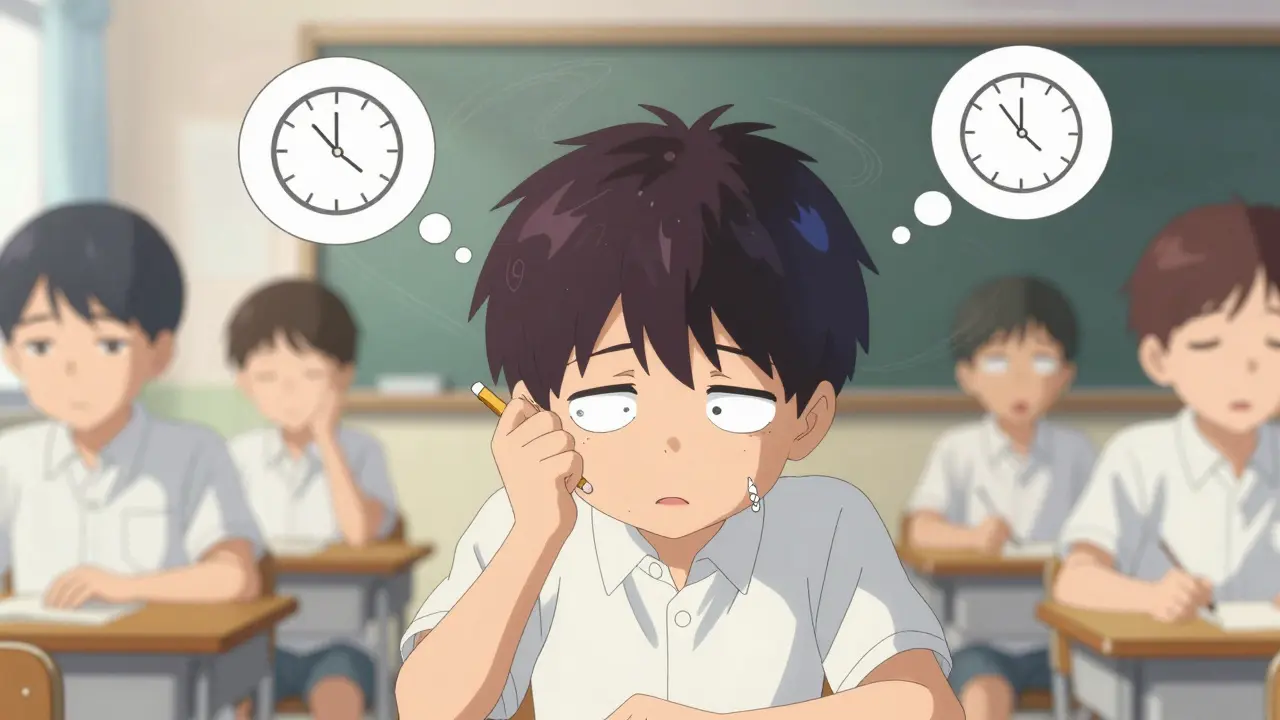
- Absence seizures: Brief staring spells, usually under 10 seconds. Common in children. Often mistaken for daydreaming.
- Myoclonic seizures: Quick, shock-like jerks in arms or legs. Happen mostly upon waking.
- Tonic-clonic seizures: What most people think of as “grand mal.” The body stiffens, then shakes violently. Often followed by confusion or sleep.
- Atonic seizures: Sudden loss of muscle tone. Can cause falls without warning.
- Tonic seizures: Muscles stiffen, often during sleep.
- Clonic seizures: Repeated jerking movements, usually in the face or neck.
Some seizures don’t fit neatly into these categories. That’s why the system includes “unknown onset” (when there’s no witness or EEG data) and “unclassified” (when details are too unclear). The old system had over 60 named seizure types. The 2025 version cut that down to 21. Why? Because doctors found the old list too confusing to use in real clinics.
What Triggers Seizures?
Not every seizure happens for the same reason. Triggers vary by person, but some are common across many cases:
- Sleep deprivation: Missing sleep is one of the top triggers. Even one bad night can increase risk.
- Stress: Emotional or physical stress raises brain activity in ways that can spark seizures.
- Flashing lights: Only about 3% of people with epilepsy are sensitive to strobe lights or fast-moving patterns.
- Missed medication: Skipping even one dose of an antiepileptic drug can trigger a breakthrough seizure.
- Hormonal changes: Many women notice more seizures around their period-this is called catamenial epilepsy.
- Alcohol or drug use: Heavy drinking or withdrawal can cause seizures. Some recreational drugs lower the seizure threshold.
- Illness or fever: Especially in children, high fevers can trigger seizures (febrile seizures), though these usually don’t lead to epilepsy.
It’s important to track your own triggers. Keeping a simple log-what you did, ate, slept, or felt before a seizure-can help your doctor adjust your treatment. Many patients report fewer seizures once they identify and avoid their personal triggers.
How Antiepileptic Medications Work
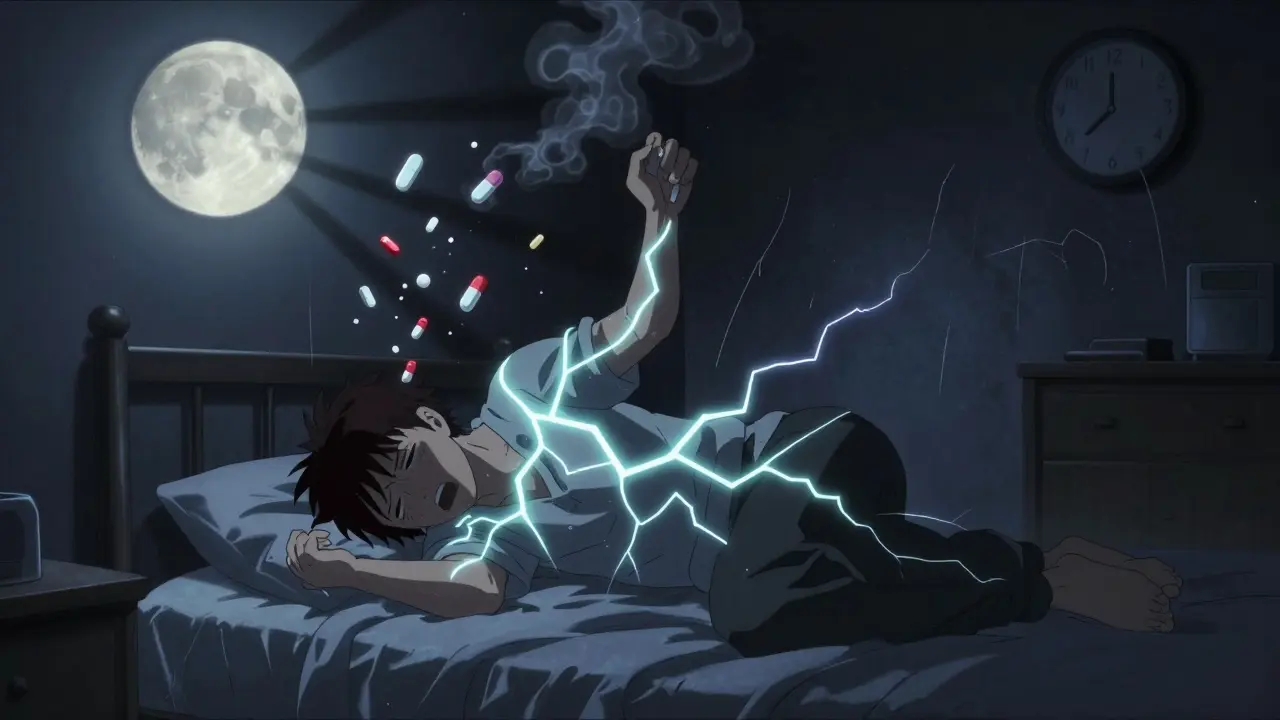
There are over 30 FDA-approved antiepileptic drugs (AEDs) today. They don’t cure epilepsy, but they help control seizures in about 70% of people. How they work depends on the drug, but most target how brain cells send signals. Some calm overactive neurons. Others boost the brain’s natural calming chemicals.
Common first-line AEDs include:
- Levetiracetam (Keppra): Used for both focal and generalized seizures. Often well-tolerated with few side effects.
- Lamotrigine (Lamictal): Effective for focal seizures and generalized tonic-clonic seizures. Also used for bipolar disorder.
- Valproate (Depakote): Works for many seizure types, especially generalized. But not recommended for women of childbearing age due to birth defect risks.
- Carbamazepine (Tegretol): Good for focal seizures and trigeminal neuralgia. Can interact with other meds.
- Topiramate (Topamax): Used for focal and generalized seizures. Can cause weight loss and cognitive slowing.
Choosing the right one isn’t just about seizure type. Age, gender, other health conditions, and side effect profiles matter too. For example, if you’re a woman planning pregnancy, your doctor will avoid valproate. If you’re an older adult, they might avoid drugs that cause dizziness or confusion.
Side effects are common at first-drowsiness, dizziness, nausea-but often fade after a few weeks. If side effects stick around or get worse, talk to your doctor. Don’t stop the medication on your own. Stopping suddenly can cause dangerous rebound seizures.
Why Classification Matters for Treatment
Misclassifying a seizure can lead to the wrong medication. A 2023 study found that 27% of people were given inappropriate drugs because their seizure type was misdiagnosed. For example, giving a drug meant for generalized seizures to someone with a focal seizure might not work-or could even make things worse.
Take absence seizures in kids. If they’re mistaken for inattention or ADHD, they’ll get stimulants instead of the right AEDs like ethosuximide or valproate. That delays real help by months or years.
And then there’s the new category: combined generalized and focal epilepsy. About 5-8% of people have both. Before 2017, they were forced into one box or the other. Now, doctors can treat both types at once-often with broader-spectrum drugs like levetiracetam or lamotrigine. This has cut treatment delays by nearly half in recent trials.
What You Can Do
Getting the right diagnosis takes time. Many people wait over two years before getting an accurate label. Here’s how to speed it up:
- Write down details: Who saw the seizure? What happened before, during, and after? How long did it last? Record videos if possible.
- Ask for an EEG: It’s the gold standard. If your doctor doesn’t order one within 72 hours, ask why.
- Find a specialist: Neurologists who focus on epilepsy are more accurate than general neurologists or primary care doctors.
- Use visual aids: The Epilepsy Foundation has diagrams showing seizure types. Bring them to your appointment.
- Ask about the new classification: If your doctor still uses old terms like “partial,” they might not be up to date.
Many patients say the biggest relief comes from finally understanding what’s happening. Once you know your seizure type, you can predict what might come next-and feel more in control.
What’s Next?
The future of epilepsy care is getting smarter. A new AI tool from the ILAE, launching in late 2025, will help non-specialists classify seizures using video clips and EEG data. Early tests show it improves accuracy by 18% for doctors without epilepsy training.
Genetic testing is also becoming part of diagnosis. Some epilepsy syndromes are caused by single gene mutations. Knowing that can change treatment-some drugs work better for specific genetic types.
For now, the key is getting the basics right: accurate classification, consistent medication, and avoiding known triggers. With the updated system, more people are getting the right treatment faster. That’s the real win.
Can you outgrow epilepsy?
Yes, especially in children. About 70% of kids with childhood absence epilepsy or benign rolandic epilepsy stop having seizures by adolescence. Some forms, like juvenile myoclonic epilepsy, last a lifetime but can be well-controlled with medication. Whether epilepsy resolves depends on the type, cause, and EEG patterns-not just age.
Are seizures always obvious?
No. Many seizures, especially focal aware or absence types, are subtle. A person might just blink rapidly, pause mid-sentence, or stare blankly for a few seconds. These are often missed by others and mistaken for zoning out. That’s why eyewitness accounts are so important.
Can stress cause epilepsy?
Stress doesn’t cause epilepsy, but it can trigger seizures in people who already have it. Chronic stress can also make seizures harder to control. Managing stress through sleep, therapy, or mindfulness is part of good epilepsy care.
Do antiepileptic drugs make you feel weird?
Many people report brain fog, fatigue, or weight changes at first. These often improve after a few weeks. If side effects are severe or last longer than a month, talk to your doctor. There are many AEDs available, and switching can make a big difference.
Is epilepsy hereditary?
Some types are. If a close family member has a genetic epilepsy syndrome, your risk may be higher. But most cases aren’t inherited. Traumatic brain injury, stroke, or infections are more common causes in adults. Genetic testing is now available for certain syndromes, especially when seizures start in infancy.
Can you drive with epilepsy?
In the UK, you must stop driving after a seizure and notify the DVLA. You can usually restart after 12 months seizure-free. Rules vary by country. Some places allow driving after 6 months if only having nocturnal seizures. Always check your local laws-this affects your independence.
What if medications don’t work?
About 30% of people don’t respond to medication. Options include epilepsy surgery (if seizures start in one spot), vagus nerve stimulation (a device implanted in the chest), or a ketogenic diet (high-fat, low-carb). Newer treatments like responsive neurostimulation are also available. Don’t give up-there are more options now than ever before.