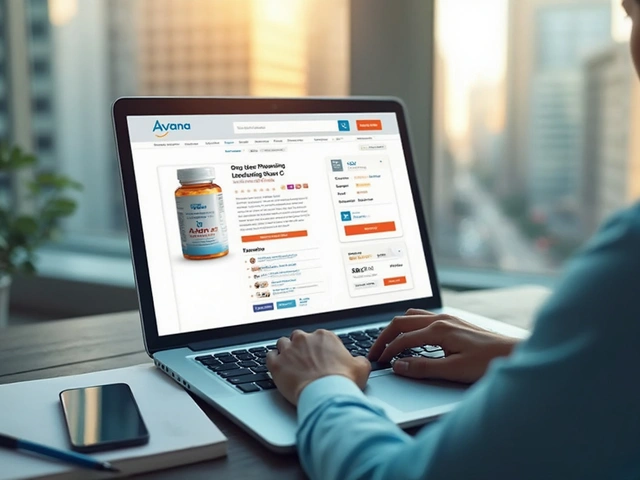
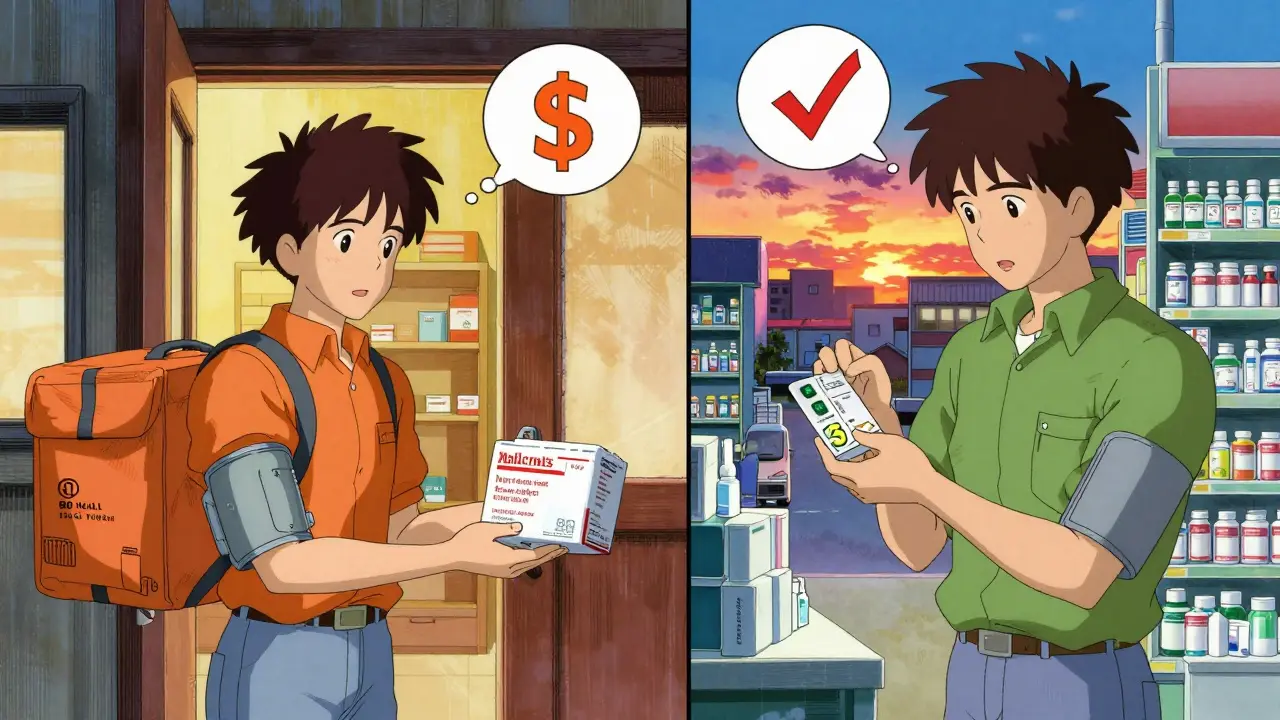
Managing prescription drugs doesn’t have to mean paying full price every time. Many people don’t realize they can save hundreds a year just by using two simple options: mail-order pharmacies for long-term meds and local pharmacies for everything else. It’s not complicated - it’s just not talked about enough.
Know Which Meds Belong Where
Not all medications are created equal when it comes to cost and timing. Think of your prescriptions in three groups:- Maintenance meds: These are drugs you take every day for months or years - like blood pressure pills, statins, or insulin. These are perfect for mail-order.
- Acute meds: Antibiotics, pain relievers after surgery, or short-term treatments. These need to be picked up fast. Local pharmacy only.
- Variable-dose meds: Things like antidepressants or diabetes drugs where your doctor might adjust the dose. Keep these local until things stabilize.
Mail-order pharmacies shine with maintenance meds. You get a 90-day supply delivered to your door, often at a lower cost than three separate 30-day fills at a local pharmacy. For example, if your 30-day supply of lisinopril costs $25 at CVS, the same drug as a 90-day mail-order refill might cost just $55 - that’s $20 saved every three months.
Check Your Insurance Plan - Really Check It
Most people assume mail-order is cheaper, but that’s not always true. Your insurance plan decides what you pay, not the pharmacy itself. Some plans charge more for mail-order on certain drugs. Others give you the same price whether you pick it up locally or have it shipped.Here’s how to find out:
- Log into your insurance portal or call customer service.
- Ask: “What’s my copay for a 30-day supply vs. a 90-day supply of [medication name] at a retail pharmacy?”
- Then ask: “What’s my copay for the same 90-day supply through mail-order?”
You might be surprised. For instance, a 2023 GoodRx survey found that 1 in 4 people paid the same amount or even more at mail-order than at Walmart or CVS. Some plans, like those from CVS Health’s Caremark, let you get 90-day fills at any retail pharmacy for the same price as mail-order. That’s a hidden perk.
Use Local Pharmacies for More Than Just Pickup
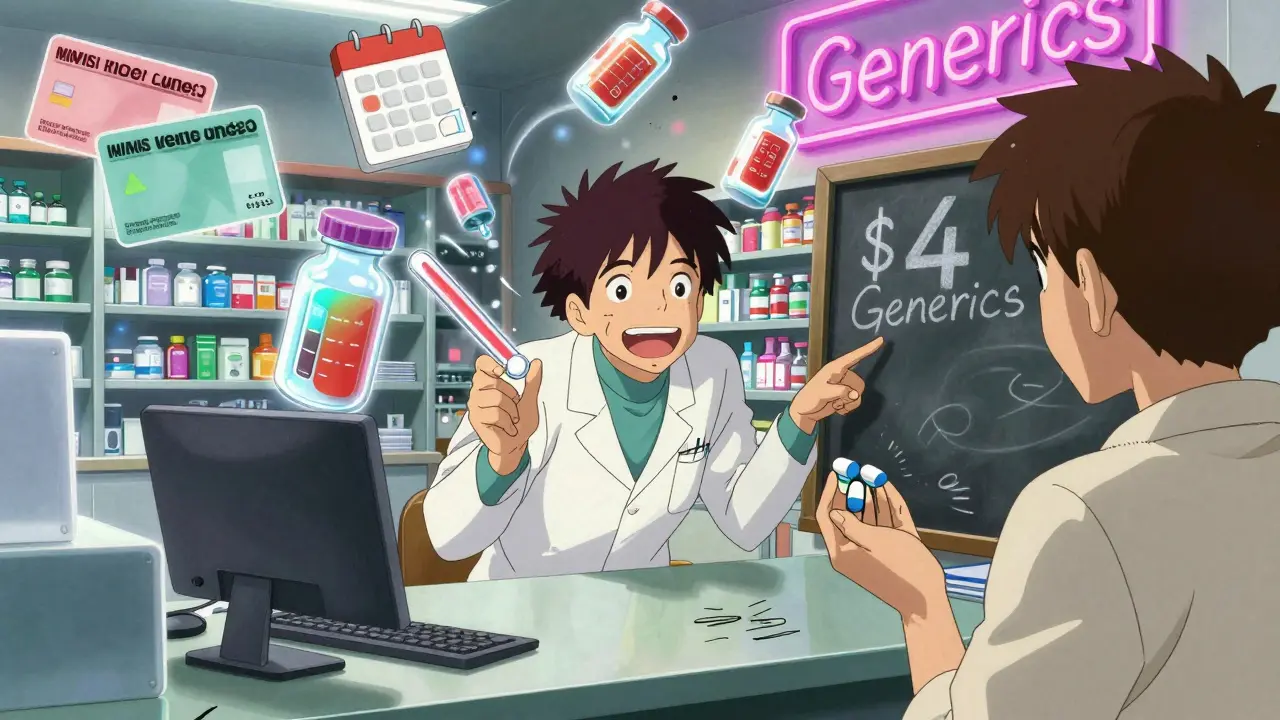
Local pharmacies aren’t just places to grab your pills. They’re full of pharmacists who can help you save money.Most local pharmacies offer discount programs - even if you don’t have insurance. CVS’s $4/$10/$25 generic program lets you get common meds like metformin, atorvastatin, or levothyroxine for as little as $4 for a 30-day supply. Walmart does the same. You can often get better prices than mail-order for generic drugs if you know where to look.
Also, talk to your pharmacist. They see hundreds of prescriptions a week. If you tell them you’re trying to cut costs, they’ll tell you if a different generic version is cheaper, if there’s a coupon available, or if your insurance might cover a 90-day supply at their counter. One study found that 78% of patients who talked to a local pharmacist saved money they didn’t know was possible.
Timing Matters - Don’t Wait Until You’re Out
Mail-order takes time. Most companies need 7 to 14 days to ship. If you wait until your last pill is gone, you’ll be without meds for over a week. That’s risky.Here’s what works:
- Set a calendar reminder 10 days before your supply runs out.
- Order your next 90-day refill right then.
- Keep a 7-day emergency supply on hand - just in case.
One user on Reddit saved $427 a year by doing exactly this. They switched their blood pressure med to mail-order and set reminders. No gaps. No panic. Just savings.
Watch Out for These Traps
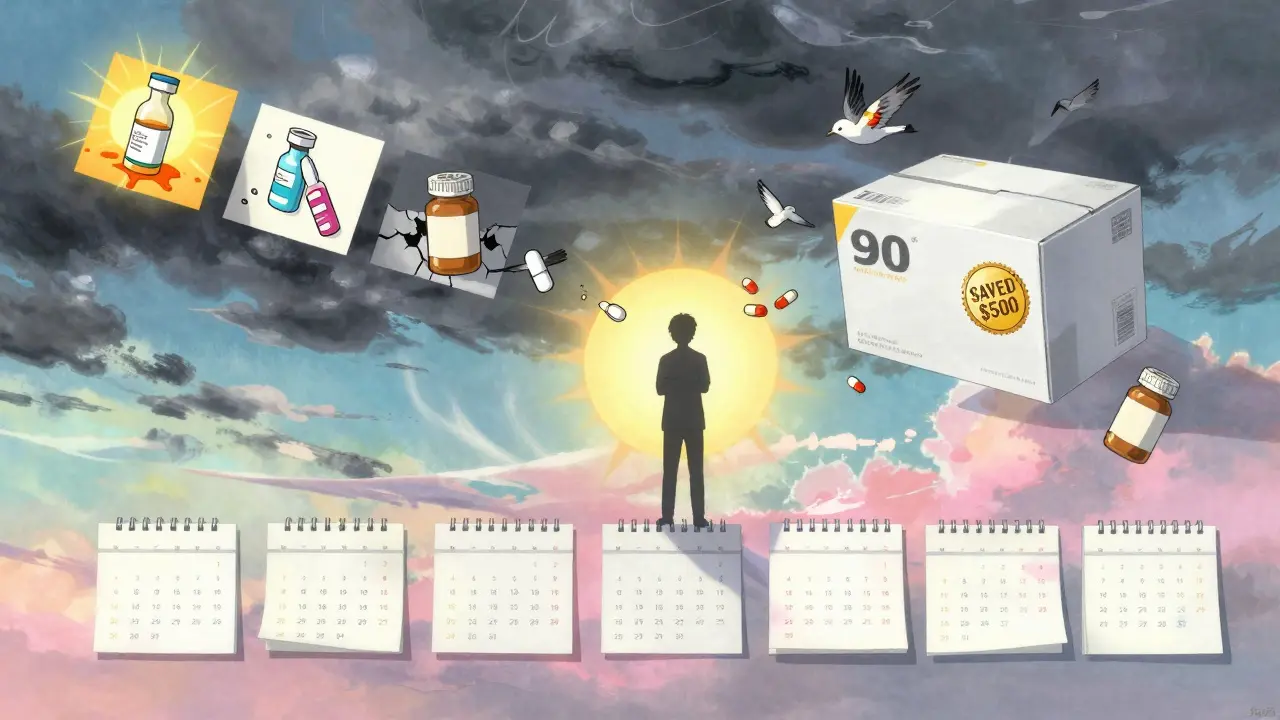
There are common mistakes that cost people money - or worse, their health.- Switching meds mid-cycle: If your doctor changes your dose or switches you to a new drug, don’t use mail-order until things settle. Mail-order systems don’t always update fast. One person got the wrong dose of an antidepressant for two months because their mail-order pharmacy didn’t sync with their doctor’s notes.
- Ignoring temperature-sensitive drugs: Insulin, biologics, and some eye drops can lose effectiveness if they’re too hot or cold during shipping. If you live in a place with extreme weather - think summer heatwaves or winter freezes - stick with local pharmacies for these.
- Not checking for plan changes: Insurance companies change formularies every year. What was cheap last year might be expensive this year. Review your plan’s formulary every January.
Real Savings - Real Numbers
Let’s get specific. A 2007 study in the Journal of Managed Care Pharmacy found that people using mail-order for maintenance meds saved 29% on average. But savings vary:- Cardiovascular drugs: Up to 35% savings
- Diabetes meds: 25-30% savings
- Antibiotics or short-term drugs: No savings - stick with local
Another example: A Medicare Part D plan charges $45 for a 30-day supply of a Tier 3 drug at retail. The same drug as a 90-day mail-order refill? Just $115. That’s $15 per month saved - $180 a year. Multiply that by three or four meds, and you’re looking at $600+ saved.
And it’s not just Medicare. A 2023 GoodRx survey of 1,200 people showed that 68% who coordinated their pharmacy use saved at least $150 a year. The top 32% saved over $300. Some saved over $500 by combining mail-order for generics with local pharmacy discount programs.
What’s Changing in 2026
The system is evolving. In 2023, Express Scripts launched a program that lets you switch between mail-order and retail with synchronized refill schedules. Medicare’s 2024 changes mean 90-day supplies will have standardized pricing across channels - which could make mail-order less of a game-changer, but still useful.Big players like UnitedHealthcare and CVS are now offering integrated systems that track all your meds in one place. By 2025, most insurance plans will let you manage everything - mail-order and local - through one app. That’s coming soon. But right now, you don’t need to wait. You can start saving today.
Start Simple - Do This Now
You don’t need to overhaul your whole system. Just take these three steps:- List all your current prescriptions.
- Sort them into maintenance, acute, and variable-dose.
- Call your insurance and ask for the exact copay for a 90-day supply of your top maintenance med - both through mail-order and at your local CVS, Walmart, or Walgreens.
If the mail-order price is lower, set up auto-ship. If it’s the same or higher, use your local pharmacy’s discount program. Either way, you’re saving money.
And don’t forget: keep your local pharmacist in the loop. They’re your ally. A quick chat can save you more than a complicated insurance form.
Can I use mail-order for all my medications?
No - and you shouldn’t. Mail-order is best for long-term, stable medications like blood pressure or cholesterol drugs. It’s not good for antibiotics, new prescriptions, or drugs that need dose changes. Those should come from a local pharmacy where you can talk to a pharmacist and get the medication the same day.
Is mail-order always cheaper than local pharmacies?
Not always. Some insurance plans charge the same or even more for mail-order 90-day fills. Always check your specific plan. For example, Walmart and CVS offer 90-day generic medications for as low as $10 without insurance - sometimes cheaper than mail-order. Compare prices before you decide.
How far in advance should I order my mail-order refill?
Order at least 10 days before you run out. Most mail-order pharmacies take 7-14 business days to ship. If you wait until you’re out of pills, you’ll go without medication. Set a calendar reminder or use a pill tracker app to stay ahead.
Can I get 90-day fills at my local pharmacy?
Yes - and many people don’t know this. Some insurance plans let you fill a 90-day supply at any retail pharmacy for the same price as mail-order. Ask your insurer: “Can I get a 90-day supply at CVS or Walgreens with my current copay?” If yes, you skip shipping delays and get your meds the same day.
What if I need to change my medication dose?
Don’t use mail-order during a dose change. Mail-order systems don’t always update quickly. If your doctor changes your dose, get the new prescription from your local pharmacy. Wait until the new dose is stable for at least 30 days before switching to mail-order. This avoids getting the wrong dose shipped to you.
Are insulin and other temperature-sensitive drugs safe through mail-order?
It’s risky. Insulin, biologics, and some eye drops can lose potency if exposed to extreme heat or cold during shipping. If you live in a region with hot summers or freezing winters, stick with local pharmacies for these. They deliver in temperature-controlled packaging. Mail-order can’t guarantee that.
How much can I realistically save each year?
Most people save $150-$300 a year. Those who use mail-order for 3+ maintenance meds and combine it with local pharmacy discounts (like CVS’s $4 program) often save $400-$600. One user saved $427 in a year just by switching one blood pressure med to mail-order and keeping a 7-day buffer.
Do I need to use a specific mail-order pharmacy?
Usually, your insurance plan picks the mail-order provider - like Express Scripts or CVS Caremark. But you can ask if you can use a different one. Some plans let you choose. If your current provider has long delays or poor service, ask your insurer about alternatives.
What if my insurance changes next year?
Review your plan every January. Insurance companies change formularies, copays, and pharmacy networks. What saved you money last year might not this year. Call your insurer or log into your account to compare costs before you make any changes.
Can I combine mail-order with discount apps like GoodRx?
Yes - but not at the same time. If you’re using mail-order through your insurance, the discount app won’t apply. But if your insurance doesn’t cover a drug or the copay is high, you can use GoodRx at a local pharmacy to get a lower cash price. Use each tool where it works best.
Coordination isn’t about choosing one pharmacy over another. It’s about using both wisely. The people who save the most aren’t the ones who always pick the cheapest option - they’re the ones who know when to use each one.