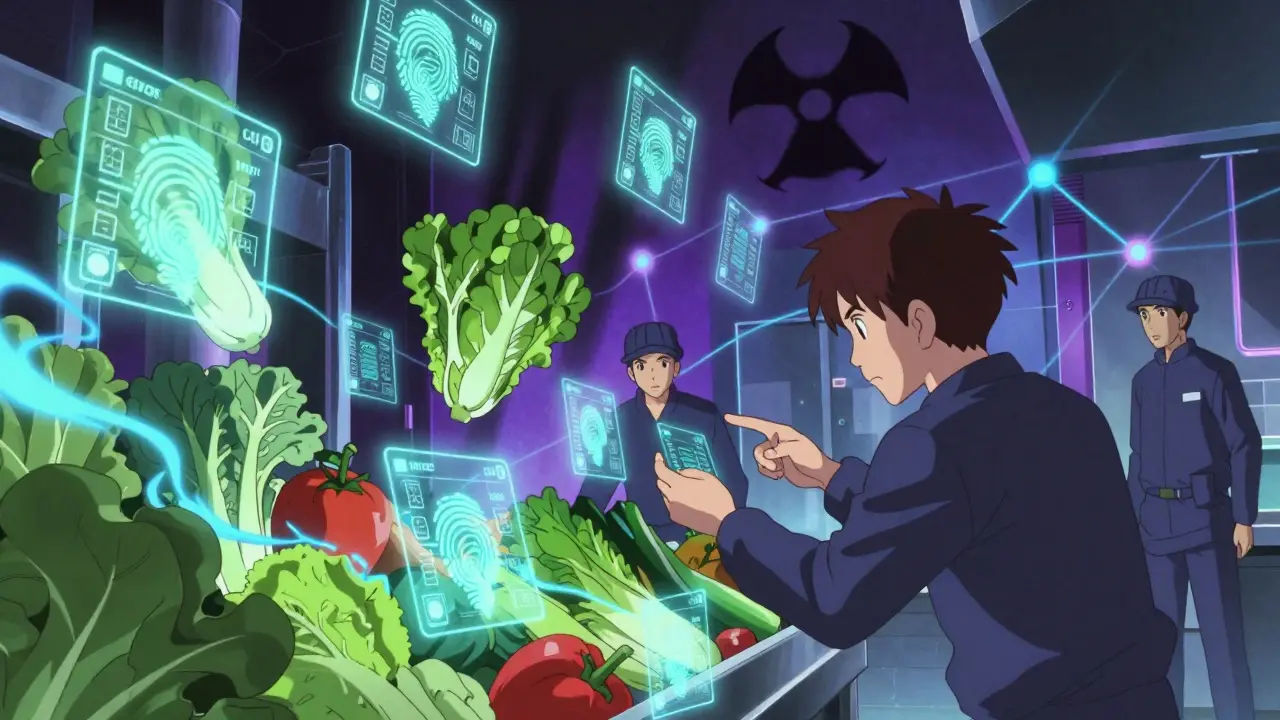
Imagine a massive salad bar outbreak where hundreds get sick within days. Under old systems, finding the culprit could take weeks of tracing paper receipts back to a farm. Now, thanks to the FDA's Traceability Lot Code (TLC) system, that timeline shrinks dramatically. This isn't just bureaucracy; it's a high-speed GPS for food safety. The TLC acts as a persistent digital fingerprint for every critical batch of food moving through your supply chain.
What is a Traceability Lot Code?
To put it simply, a Traceability Lot Code (TLC) is a unique alphanumeric descriptor assigned to a specific batch of food. It is the linchpin of the FDA's Food Traceability Rule under Section 204 of the Food Safety Modernization Act (FSMA). Unlike the random internal codes many manufacturers used before, a TLC must stay attached to a product throughout its journey, even as it changes hands from farmer to packer to retailer.
The TLC serves as the central data element linking products to Critical Tracking Events (CTEs) throughout the supply chain.
This distinction matters. Previously, you might use a manufacturing date stamp. With the new rules, if that stamp doesn't link directly to required data elements, it doesn't count. The goal is rapid response. During an investigation, regulators need to know exactly where a contaminated batch came from and where else it went. A robust TLC allows them to do that in minutes rather than months.
When Must You Assign a TLC?
You don't slap a new code on everything everywhere. The FDA set three strict moments where a TLC must be created or updated:
- Initial Packing: When raw agricultural commodities (like leafy greens) are packed.
- First Land-Based Receiving: For seafood, when the catch comes off fishing vessels.
- Transformation: Anytime you significantly change the physical state or packaging of the food.
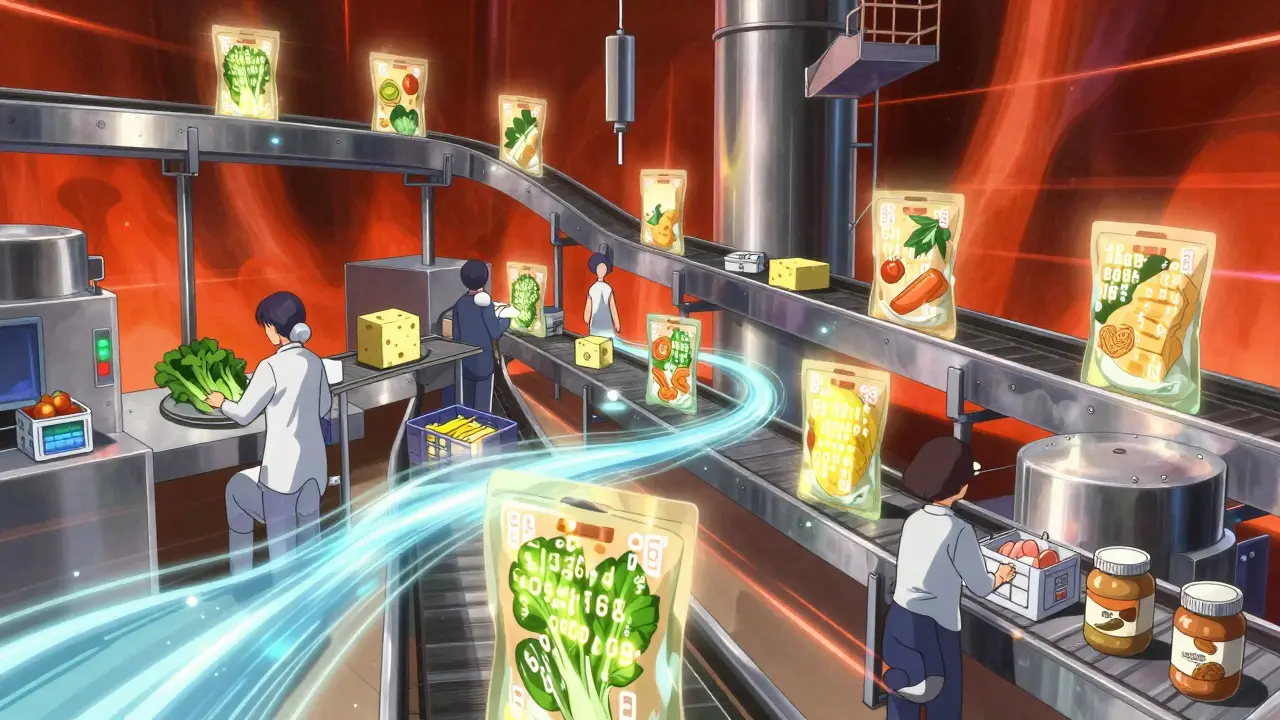
If you pack lettuce into bags, you assign a TLC. If you buy whole melons and slice them into a box, you create a new TLC for the sliced version. Crucially, you must keep the record of the previous lot code so the chain stays unbroken. This linkage is what makes the system effective during a crisis. If a customer reports illness, the TLC lets investigators walk backward through the chain instantly.
The Food Traceability List Explained
Not every apple or cookie needs this level of scrutiny. The regulation targets high-risk items on the Food Traceability List (FTL). This list covers about 15% of the U.S. food supply by volume.
| Category | Examples | Risk Factor |
|---|---|---|
| Leafy Greens | Lettuce, Spinach | Easily contaminated in field |
| Soft Cheeses | Feta, Ricotta | Bacteria growth in moisture |
| Seafood | Crabs, Salmon | Packaging vulnerabilities |
| Nut Butters | Peanut, Almond | Sand-based contamination |
These items are flagged because historical data shows they are most often involved in outbreaks. If you handle these specific foods, the TLC rules apply to you regardless of your facility size. Other foods fall outside this mandatory requirement, though many retailers now demand similar standards across their entire supplier base.
Current Compliance Status (March 2026)
As of today, the original compliance date of January 20, 2026, has passed. This puts pressure on food companies to ensure their records are ready. However, regulatory timelines often shift. In September 2023, the FDA proposed extending the full compliance deadline to July 20, 2028. While many large firms have already upgraded their systems, smaller operations might still be waiting for final confirmation on this extension.
Whether the date holds or slips, the expectation remains: electronic records must be available within 24 hours of an FDA request. If your records are locked in filing cabinets or scattered across email threads, you aren't ready. Electronic formats like CSV are strongly encouraged. The agency wants sortable, exportable data that fits into their analysis tools immediately.
Tech Stack: ERP vs. Blockchain
How do companies actually track these codes? Most established manufacturers modify their existing Enterprise Resource Planning (ERP) systems. About 72% of large companies took this route to avoid paying for separate software. However, legacy ERPs sometimes struggle with complex linkages like "which parent lot produced which child lot."
Smaller businesses often rely on specialized traceability software or manual logs. Some forward-thinking retailers, like Walmart, have pushed beyond basic compliance into blockchain technology. They treat the TLC as a digital key that opens access to immutable ledgers. For suppliers, this means integrating your data formats with their platforms using standards like GS1. Interoperability is key here. If your system speaks a different digital language than your distributor's, the TLC loses value mid-journey.
Why Implementing TLC Matters
Is the cost worth the benefit? Implementation costs hover around $42,500 per company on average. That sounds steep, but consider the alternative. A single recalled brand can face millions in lost sales. The FDA estimates improved traceability cuts outbreak responses from weeks to near real-time, potentially reducing illness cases by 20-30%.
In short, the TLC transforms a reactive cleanup crew into a proactive shield. Instead of recalling entire shelves of product, you can pinpoint the exact carton. You save money, protect your reputation, and most importantly, keep consumers safe from pathogens like Listeria or Salmonella.
Common Pitfalls to Avoid
One of the biggest hurdles mentioned by industry groups is "tandem coding." This happens when companies feel forced to maintain two sets of codes: one for their internal quality control and one for the FDA. Good news: the FDA clarified that your existing lot codes work as TLCs if they meet the requirements. Don't duplicate effort if you don't have to. Just ensure your current code includes the necessary information.
Another mistake is breaking the chain at transformation. If you repackage cheese, you generate a new TLC, but you must document the link to the original block of cheese. Without that link, the trail ends abruptly, rendering the data useless during an audit or recall.
Does TLC apply to international exports?
If you are shipping food into the U.S. that belongs to the Food Traceability List, yes. Foreign facilities handling FTL items must also comply with the TLC requirements. The FDA has initiated discussions with international regulators to harmonize these standards, ensuring seamless border crossings.
Can I use handwritten records for TLC?
Electronic records are not strictly mandated, but handwriting isn't practical. The rule requires providing data within 24 hours. Handwritten logs usually cannot be exported or sorted quickly enough to meet this timeframe. Digital systems are highly recommended.
What are Key Data Elements (KDEs)?
KDEs are the seven specific pieces of information linked to your TLC. These include the location where the code was created, description of the product, quantity, unit of measure, reference IDs (like invoices), and shipping dates. Without complete KDEs, the TLC is incomplete.
Are there penalties for non-compliance?
Yes. Failure to follow the rule can result in enforcement actions like warning letters or seizure of products. The FDA focuses on enforcement to protect public health, so maintaining compliance is crucial for facility operations.
Who qualifies for small business assistance?
Small farms and businesses often face higher relative costs. The FDA launched a Traceability Assistance Program to offer technical guidance. Qualifying entities can access workshops and resources designed to lower implementation barriers.