
When you’re in severe pain-after surgery, a broken bone, or a flare-up of chronic back pain-opioids can feel like a lifeline. They work fast. They work well. But they also come with a quiet, growing danger that many patients and even doctors don’t fully understand. The question isn’t just whether opioids help with pain. It’s whether the relief is worth the risk-and when that risk becomes too high.
When Opioids Might Actually Help
Opioids aren’t evil. They’re powerful tools. But they’re not for every kind of pain. The CDC’s 2022 guidelines make it clear: opioids should never be the first thing you reach for when you have chronic pain. That means pain lasting more than three months. For that, physical therapy, cognitive behavioral therapy, acupuncture, or even over-the-counter NSAIDs like ibuprofen are better starting points. So when do opioids make sense? For short-term, severe pain. Think: major surgery, a broken hip, or trauma. In those cases, a few days of opioids can help you recover without being stuck in agony. Even then, the goal isn’t to keep you on them. It’s to get you off them as soon as you can. Most guidelines say seven days or fewer is enough for acute pain. Yet, studies show nearly half of patients get more pills than they need. Those extra pills? They often end up in medicine cabinets, where kids, teens, or visitors might find them-and misuse them. For chronic pain, opioids are a last resort. The Veterans Affairs and Department of Defense guidelines say you should only consider them after trying non-opioid options and failing. That means you’ve tried exercise, nerve blocks, antidepressants for pain, or other non-addictive meds-and they didn’t cut it. Even then, you’re not guaranteed relief. A 2019 review found that on average, opioids reduce chronic pain by less than two points on a 10-point scale. That’s barely noticeable. Meanwhile, the risk of dependence climbs with every pill.The Hidden Danger: Dependence Isn’t Addiction-But It Can Lead to It
Dependence and addiction aren’t the same thing, but they’re often confused. Dependence means your body gets used to the drug. Stop taking it, and you get withdrawal: nausea, sweating, anxiety, muscle aches. That’s physical. Addiction is when you keep using despite harm-lying to doctors, stealing, losing your job, neglecting family. That’s behavioral. The scary part? Dependence can happen fast. Even if you take opioids exactly as prescribed, your body can adapt within weeks. The CDC says about 8 to 12% of people on long-term opioid therapy for chronic pain end up with opioid use disorder. That’s one in every ten. And it gets worse with higher doses. At 100 morphine milligram equivalents (MME) per day or more, that risk jumps to 26%. That’s more than one in four. And it’s not just about the dose. Certain combinations make things far more dangerous. If you’re on opioids and also take benzodiazepines-like Xanax or Valium-for anxiety or sleep, your risk of overdose triples. Why? Both drugs slow your breathing. Together, they can stop it completely. That’s why guidelines now say: never mix them. Ever.Who’s at Highest Risk?
Not everyone who takes opioids becomes dependent. But some people are far more vulnerable. Genetics play a big role. Studies show 40 to 60% of your risk for addiction is inherited. If you or a close relative has struggled with substance use, your chances go up. Age matters too. People over 65 metabolize drugs slower. Their kidneys and liver don’t clear opioids as quickly. That means even a normal dose can build up and cause dangerous side effects. The same goes for people with liver or kidney disease. Past substance use is another red flag. If you’ve ever misused alcohol, smoked cigarettes heavily, or used street drugs, your risk of opioid use disorder is 3.5 times higher. That’s why doctors should ask about your history-not just your pain. And then there’s the dose. Every extra 10 MME per day increases your overdose risk. Between 20 and 50 MME, it goes up 8%. Between 50 and 100, it jumps 11%. At 90 MME or more, you’re in the danger zone. That’s about 90 mg of morphine daily-or 30 mg of oxycodone. Most guidelines say doses above 90 MME should only be used if there’s a clear, documented benefit-and only after extra precautions are taken.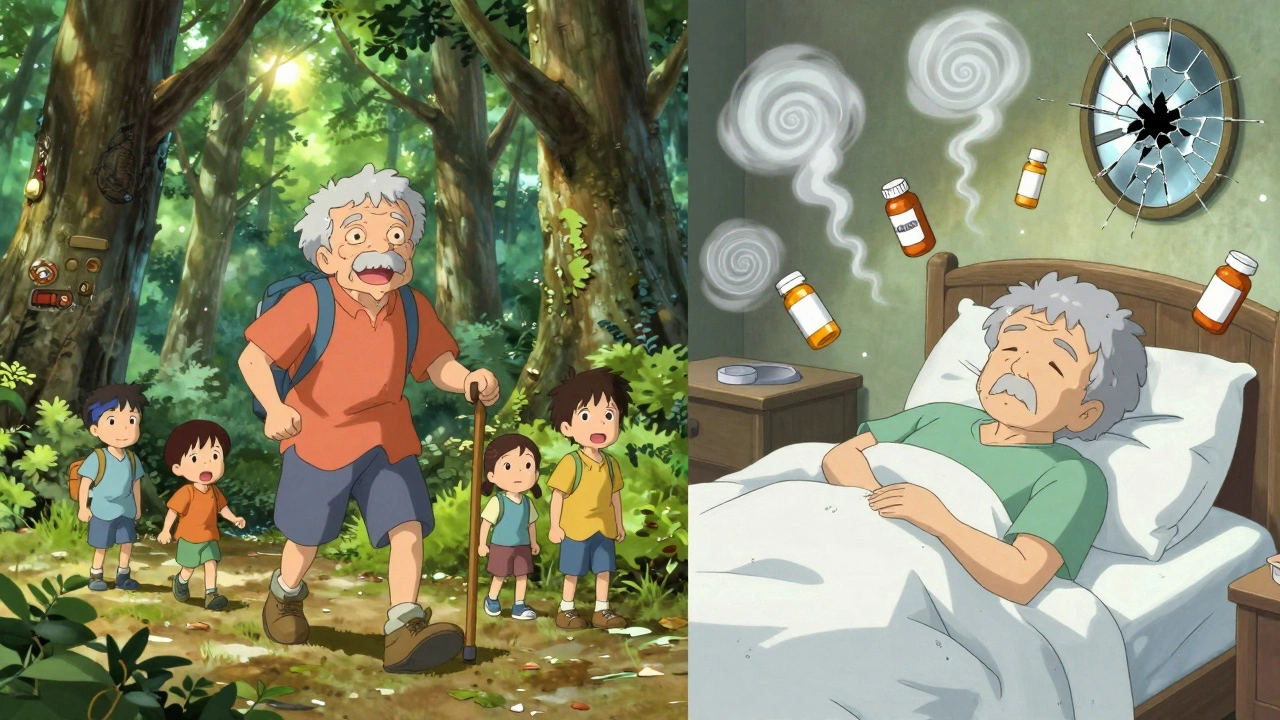
How Doctors Should Monitor You
If you’re prescribed opioids long-term, you shouldn’t just get a script and be left alone. Regular check-ins are mandatory. The VA/DoD guidelines say you should be reviewed at least every three months. For high-risk patients? Monthly. What gets checked? Three things: pain level, function, and behavior. Your doctor should ask: “On a scale of 0 to 10, how much pain are you in now?” Then: “Can you walk to the store? Sleep through the night? Play with your grandkids?” If your pain hasn’t improved much, but you’re taking more pills, that’s a warning sign. They should also check for signs of misuse. That means urine drug tests to make sure you’re only taking what’s prescribed-and nothing else. Tools like the Current Opioid Misuse Measure (COMM) help spot behaviors like doctor shopping, hiding pills, or using them for stress instead of pain. And here’s something many patients don’t know: you should have naloxone on hand. Naloxone (Narcan) reverses an opioid overdose. It’s safe, easy to use, and available without a prescription in most states. If you’re on more than 50 MME per day, or if you’re taking benzodiazepines, or if you’ve had a past overdose-your doctor should give you naloxone and show you how to use it. It’s not a sign you’re likely to overdose. It’s a safety net.What Happens If You Need to Stop?
Stopping opioids isn’t as simple as quitting cold turkey. If you’ve been on them for weeks or months, your body will react. Withdrawal can be brutal: diarrhea, vomiting, shaking, insomnia, intense anxiety. It’s not life-threatening like alcohol withdrawal-but it’s enough to make people go back to opioids just to feel normal. That’s why tapering matters. The Kaiser Permanente guidelines break it down:- Slow taper: Reduce by 2-5% every 4-8 weeks. Best for people who are stable, functional, and have no signs of misuse.
- Moderate taper: Reduce by 5-10% every 4-8 weeks. For those whose pain hasn’t improved or who’ve developed tolerance.
- Rapid taper: Reduce by 10% per week. Only if risks clearly outweigh benefits-like if you’re on over 90 MME or having side effects.

What’s Changing in Pain Care
The good news? Doctors are prescribing fewer opioids. In 2012, there were 81.3 prescriptions per 100 people in the U.S. By 2020, that number dropped to 46.7. That’s a 42.5% decline. More states now require doctors to check prescription drug monitoring programs (PDMPs) before writing an opioid script. Forty-nine states have them now, and 87% of prescriptions are checked before they’re filled. Naloxone is more available too. In 2016, only 18% of hospitals had standing orders for it. Now, over half do. And research is pouring money into alternatives. The NIH’s HEAL Initiative has spent $1.5 billion since 2018 on non-addictive pain treatments. Right now, 37 new painkillers that aren’t opioids are in late-stage clinical trials. But the problem isn’t solved. In 2021, over 80,000 people died from opioid overdoses in the U.S. That’s more than car crashes or gun violence. And many of those deaths involve prescription opioids mixed with fentanyl or other street drugs.What You Can Do
If you’re on opioids:- Ask your doctor: “Is this still helping me function, or am I just taking it to avoid feeling sick?”
- Request a urine drug test to make sure you’re only taking what’s prescribed.
- Get naloxone. Keep it at home. Teach a family member how to use it.
- Never mix opioids with alcohol, sleep meds, or anxiety pills.
- If you feel like you can’t stop, or you’re taking more than prescribed, talk to your doctor. Don’t wait until it’s too late.
- Watch for signs: mood swings, secrecy, missed appointments, hoarding pills.
- Lock up medications. Dispose of unused pills at a pharmacy drop box.
- Don’t assume “prescribed” means “safe.” Even legal drugs can be deadly.
Final Thought
Opioids have a place in pain care-but only as a short-term tool, not a long-term fix. They’re not a cure. They’re a pause button. And if you’re using them for months or years, you’re playing with fire. The data doesn’t lie: the longer you’re on them, the higher the risk. The higher the dose, the deadlier the chance. The goal isn’t to scare you away from pain relief. It’s to help you find relief that lasts without costing you your health, your freedom, or your life.Are opioids ever safe for long-term pain?
Opioids can be used long-term only if other treatments have failed, and if the benefits clearly outweigh the risks. Most guidelines say they should be a last resort. Even then, doses should stay below 50 MME per day, and patients need regular monitoring. Long-term use carries a high risk of dependence, and evidence shows pain relief often fades over time while side effects grow.
Can you become addicted if you take opioids exactly as prescribed?
Yes. Addiction isn’t just about misuse-it’s about how your brain responds. Even when taken exactly as directed, about 8-12% of people on long-term opioid therapy develop opioid use disorder. Genetics, mental health history, and past substance use play big roles. Taking opioids as prescribed reduces risk, but doesn’t eliminate it.
What’s the difference between dependence and addiction?
Dependence means your body has adapted to the drug and will cause withdrawal if you stop. Addiction is when you keep using despite harm-lying to doctors, stealing, neglecting responsibilities. Dependence can happen to anyone on long-term opioids. Addiction involves compulsive behavior and loss of control.
Why do doctors still prescribe opioids if they’re so risky?
Because for some patients, in some situations, they’re the only thing that works. After surgery, for cancer pain, or for severe trauma, opioids provide critical relief. The problem isn’t prescribing them when needed-it’s prescribing them too often, for too long, without proper monitoring. Guidelines now push for strict limits and alternatives first.
Is naloxone only for people who use street drugs?
No. Naloxone is for anyone taking opioids, even if they’re prescribed. Overdoses happen to people on legal prescriptions-especially when they mix opioids with alcohol, sleep aids, or anxiety meds. Having naloxone at home is a safety measure, not a judgment. It’s like having a fire extinguisher-you hope you never need it, but you’re glad it’s there.
What are the signs I’m taking too many opioids?
You’re taking too many if: your pain hasn’t improved in months, you need higher doses just to feel the same effect, you’re using them for stress or sleep instead of pain, you’re hiding your use, or you’re getting prescriptions from multiple doctors. Other signs: confusion, extreme drowsiness, slurred speech, or shallow breathing. If any of these happen, talk to your doctor immediately.