Many Spanish-speaking patients in the U.S. are told they can save money by switching to a generic medication. But too often, they walk away confused - not because they don’t want to save money, but because no one explained what "genérico" really means.
What Does "Medicamento Genérico" Actually Mean?
In Spanish, "medicamento genérico" is the direct translation for "generic medication." But the word alone doesn’t tell the whole story. Many patients think a generic pill is weaker, older, or less safe because it looks different - maybe a different color, shape, or size. That’s not true. The active ingredient is identical. The FDA requires generic drugs to work the same way, in the same amount of time, as the brand-name version. The only differences are in the inactive ingredients - things like dye or filler - that don’t affect how the medicine works.
Pharmacists in the U.S. are trained to explain this. But if they don’t speak Spanish fluently, or if the patient doesn’t understand medical terms, the message gets lost. That’s where Spanish-language resources come in. They don’t just translate words - they rebuild understanding.
Where to Find Reliable Spanish-Language Medication Guides
The Agency for Healthcare Research and Quality (AHRQ) a U.S. government agency that improves healthcare quality and safety offers a free, downloadable tool called "My Medicines List" in Spanish. It’s one of the most practical resources available. Patients use it to write down every medicine they take - brand name, generic name, dosage, and reason. It’s designed to help them talk to doctors and pharmacists, not just memorize terms.
MedlinePlus a service of the U.S. National Library of Medicine that provides trusted health information also has a bilingual PDF guide titled "Generic and Brand Name Medicines - español." It shows side-by-side comparisons of common drugs - like how "Lipitor" and "atorvastatin" are the same thing. This visual approach helps patients who struggle with reading or medical jargon.
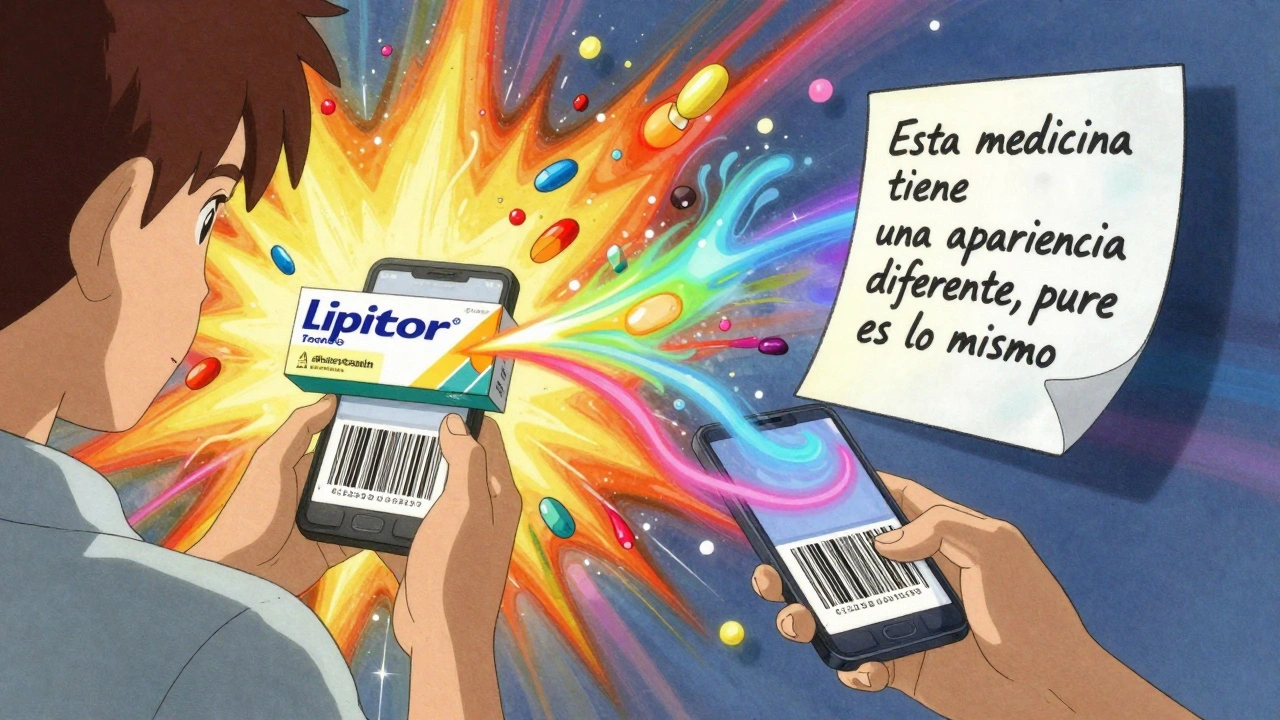
For those who need to speak up in the pharmacy, Wake AHEC a nonprofit organization that trains healthcare professionals in rural areas created a pocket-sized translation card with phrases like: "Esta medicina tiene una apariencia diferente, pero es lo mismo" (This medicine looks different, but it is the same). It’s simple, clear, and meant to be handed to a pharmacist - not just read.
Why Patients Still Don’t Trust Generics
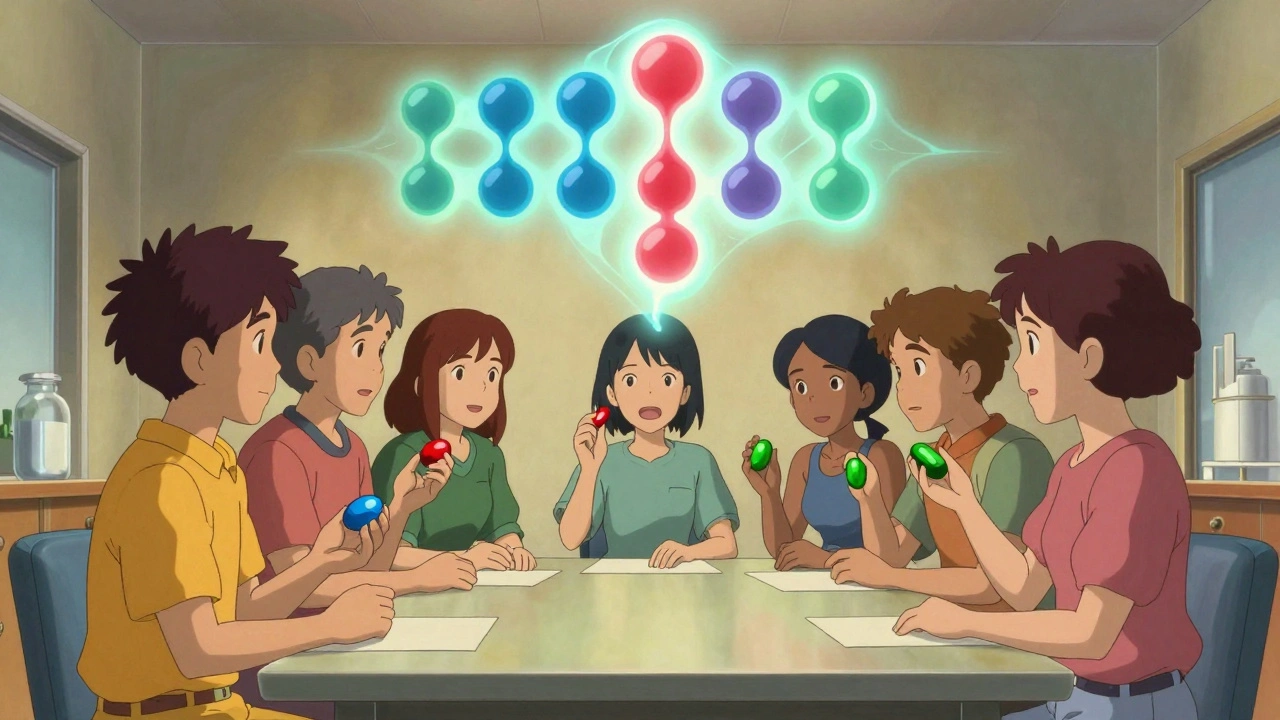
Even with all these tools, trust is hard to build. A 2023 survey by the California Health Care Foundation found that 63% of Spanish-speaking patients still worry generic medicines aren’t as strong. Why? Because they’ve seen the same pill change color from one refill to the next. One patient told a nurse: "La primera vez era azul, ahora es roja. ¿Está bien?" (The first time it was blue, now it’s red. Is that okay?)
That’s not a mistake. Different manufacturers make the same generic drug. Each one uses different dyes and fillers. But the active ingredient - the part that treats your condition - is exactly the same. The University of Miami Miller School of Medicine a leading medical research institution found that showing patients pictures of different versions of the same generic drug reduced confusion by 37%. Visuals matter more than words.
Another issue? Regional differences in language. "Paracetamol" is used in Spain. In Mexico and most of Latin America, it’s "acetaminofén." Both are the same medicine - the generic version of Tylenol. But if a patient moves from Texas to Florida, or visits family in Puerto Rico, they might think they’re getting a different drug. Resources that don’t explain this create unnecessary fear.
What Works Best in Real Clinics
Kaiser Permanente launched a Spanish-language medication portal in late 2022. It didn’t just translate text. It added audio clips so patients could hear how to pronounce "ibuprofeno" or "metformina." It showed side-by-side photos of brand and generic pills. And it included a cost calculator - showing how much they’d save each month.
Results? Patient calls to the pharmacy about pill appearance dropped by 52% in six months. That’s not magic. It’s good design. People need to see, hear, and compare - not just read.
Another success story? The "Medicamento Genérico" app a free mobile tool developed by the National Institutes of Health, launched in September 2023. It lets users scan a pill barcode to see its generic name, compare prices across pharmacies, and watch short videos explaining bioequivalence. It’s been downloaded over 147,000 times. Patients use it in waiting rooms, at home, and even while talking to their doctors.
What’s Missing - and Why It Matters
Not all Spanish resources are equal. Many hospitals create their own handouts, but they’re often full of medical terms like "bioequivalencia" or "farmacocinética" - words most patients don’t know. A 2023 usability study gave AHRQ’s materials a 4.7 out of 5 for clarity. Many hospital handouts scored under 3.0.
Another big gap? Training for staff. A 2022 Wake AHEC report found that most nurses and pharmacists need 10-15 hours of training to use these tools effectively. Many don’t get it. They rely on Google Translate or a coworker who "knows some Spanish." That’s dangerous. One patient in Texas stopped taking her blood thinner because the pharmacist said the new pills were "más baratos," but never explained they were the same medicine. She thought she was getting a weaker version.
And while the U.S. government requires language access under the Affordable Care Act, only 41% of community health centers have full Spanish medication resources - and just 28% specifically explain generic equivalence.
How to Use These Resources - Whether You’re a Patient or Provider
If you’re a Spanish-speaking patient:
- Ask: "¿Tiene la versión genérica de esa medicina?" (Do you have the generic version?)
- Ask: "¿Es lo mismo que la marca?" (Is it the same as the brand?)
- Take a photo of your pill - brand and generic - and compare them with the NIH app.
- Use AHRQ’s "My Medicines List" to track what you take - and bring it to every appointment.
If you’re a healthcare provider:
- Don’t assume patients understand "genérico." Show them pictures.
- Use the Wake AHEC phrases - they’re tested and proven.
- Link to the NIH app or MedlinePlus PDFs in your patient portal.
- Ask: "¿Qué le dijeron en la farmacia?" (What did they tell you at the pharmacy?) - you might uncover a misunderstanding.
What’s Next for Spanish Medication Education
The future is personalization. Epic Systems, a major electronic health record company, is testing AI tools that generate Spanish explanations based on where a patient is from - whether they’re from Mexico, Colombia, or Spain. It adjusts terms like "pastillas" (pills) or "comprimidos" (tablets) automatically.
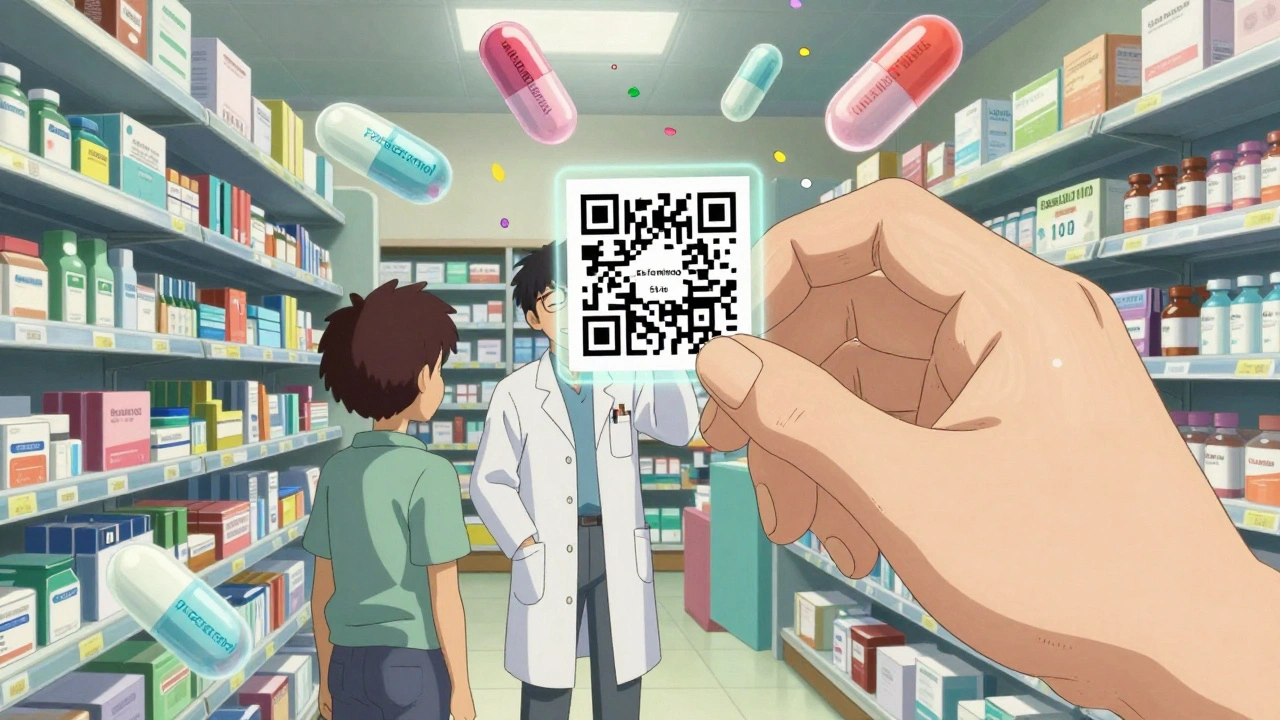
More clinics are adding QR codes to prescriptions that link to short videos in regional Spanish dialects. The AHRQ updated its "My Medicines List" in early 2024 to include this feature.
But the biggest change won’t come from tech. It’ll come from listening. Patients aren’t asking for fancy apps or perfect translations. They’re asking: "¿Esto me va a hacer bien?" (Will this help me?)
When the answer is clear - and backed by visuals, simple words, and trust - more people will take their medicine. And save money. And get better.
What is the Spanish word for generic medication?
The Spanish word for generic medication is "medicamento genérico." This term is used across most Spanish-speaking countries, though some regions may use "medicina genérica" informally. Always confirm the active ingredient to ensure it matches the brand-name drug.
Are generic medications as effective as brand-name drugs in Spanish-speaking patients?
Yes. Generic medications contain the same active ingredients, work the same way, and meet the same safety standards as brand-name drugs. The FDA requires them to be bioequivalent. The only differences are in color, shape, or inactive ingredients - none of which affect how well the medicine works. Studies show that when patients understand this, adherence improves by up to 23%.
Why do generic pills look different from brand-name pills?
Generic pills look different because U.S. law requires them to have a distinct appearance from brand-name versions. This prevents confusion and trademark issues. But the active ingredient - the part that treats your condition - is identical. Different manufacturers may use different dyes or fillers, which changes the color or shape. Visual aids showing side-by-side comparisons help patients understand this is normal and safe.
Do Spanish-speaking patients save money with generic medications?
Yes. Generic medications typically cost 80-85% less than brand-name drugs. For example, a 30-day supply of brand-name Lipitor might cost $300, while the generic atorvastatin costs around $10. A 2023 survey found that patients who understood this difference saved an average of $200 per month. Cost is a major reason Spanish-speaking patients seek generics - but only if they trust they’re the same.
What should I do if my pharmacist gives me a different-looking pill?
Don’t stop taking it. First, check the name on the label - it should match your prescription. Then, ask: "¿Es la misma medicina, solo diferente apariencia?" (Is it the same medicine, just different appearance?) Use the NIH "Medicamento Genérico" app to scan the pill or compare images. If you’re still unsure, call your doctor. Never assume a change means it’s weaker or wrong.
Are there regional differences in Spanish medication terms?
Yes. For example, "paracetamol" is used in Spain, while "acetaminofén" is used in Latin America - but both are the same drug. "Pastillas" means pills in most places, but in some regions, it refers only to birth control pills. Always confirm the active ingredient. Reliable resources like MedlinePlus and the NIH app now include regional variations to avoid confusion.
Where can I find free Spanish-language medication guides?
Free Spanish-language medication guides are available from the Agency for Healthcare Research and Quality (AHRQ), MedlinePlus.gov, and the National Institutes of Health (NIH). AHRQ’s "My Medicines List" and NIH’s "Medicamento Genérico" app are both free, downloadable, and designed for real-world use. Avoid using Google Translate for medical terms - it often gets dosage or drug names wrong.