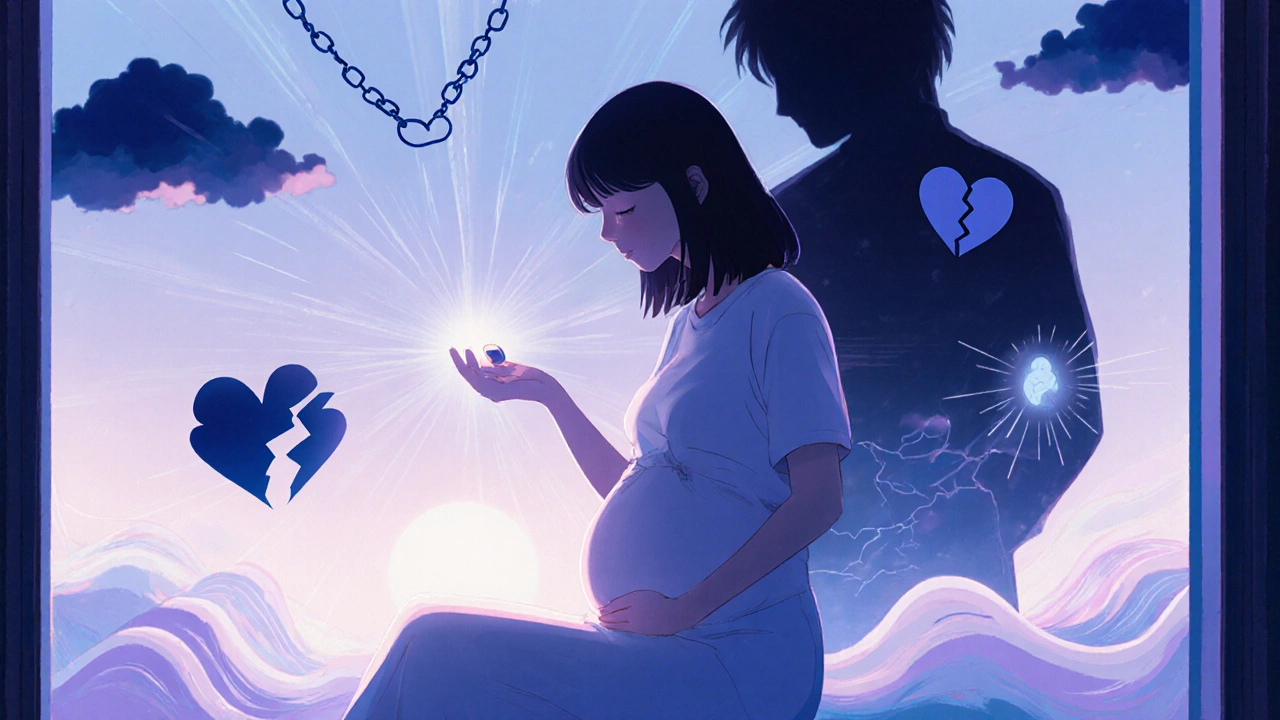
Antidepressants and Pregnancy: What You Need to Know
When you're pregnant and struggling with depression, the question isn't just antidepressants pregnancy—it's what’s safer: taking them or not? Many women face this choice, and it’s not as simple as "good" or "bad." Antidepressants, especially SSRIs like sertraline and fluoxetine, are commonly used during pregnancy because untreated depression can raise risks for preterm birth, low birth weight, and even postpartum complications. But they’re not risk-free either. The key is knowing the trade-offs, not just the warnings.
SSRIs, or selective serotonin reuptake inhibitors, are the most studied class of antidepressants in pregnancy. They work by increasing serotonin levels in the brain, which helps lift mood. But serotonin also plays a role in fetal development, and some studies show a small increase in certain birth issues, like persistent pulmonary hypertension in newborns (PPHN), when SSRIs are taken late in pregnancy. That said, the absolute risk remains low—under 1% in most cases. Meanwhile, stopping medication can lead to relapse in up to 70% of women with a history of depression, which brings its own dangers: poor nutrition, missed prenatal visits, and even self-harm.
It’s not just about the drug. It’s about the person. A woman with severe depression who’s had multiple episodes before pregnancy needs different advice than someone with mild, situational sadness. Some doctors start with therapy or light exercise first. Others jump straight to sertraline because it’s the best-studied option with the lowest risk profile. And then there’s the elephant in the room: serotonin syndrome, a rare but dangerous condition caused by too much serotonin in the body, often from combining medications. It’s not common in pregnancy, but if you’re also taking herbal supplements like 5-HTP or St. John’s Wort—both mentioned in our posts—it could become a real problem. Always tell your doctor everything you’re taking.
What you won’t find in most brochures is the real-life stuff: the sleepless nights, the guilt, the fear of being judged. Women who take antidepressants during pregnancy aren’t being selfish—they’re trying to be good mothers. And sometimes, the safest choice is the one that lets you hold your baby without crying all day.
Below, you’ll find real comparisons and patient-focused guides on how these drugs interact with other treatments, what side effects to watch for, and how to make smart decisions without fear or hype. No fluff. Just facts, context, and the kind of clarity you need when you’re carrying a life and managing your own.