Probiotic Timing & Efficacy Calculator
Recommended Probiotic Window:
Take the probiotic at least 2-3 hours after the antibiotic to prevent it from being killed by the drug.
Estimated Risk Reduction
Based on clinical meta-analyses.
Antibiotics save lives, but they often wreck your stomach in the process. If you’ve ever finished a course of medication only to be hit with diarrhea, bloating, or cramping, you know the frustration. It happens because these powerful drugs don’t just kill the bad bacteria causing your infection; they also wipe out the good bacteria that keep your digestive system running smoothly. This disruption can lead to antibiotic-associated diarrhea, affecting anywhere from 5% to 30% of patients. For those in hospitals, the risk of a more severe condition called Clostridioides difficile-associated diarrhea is even higher.
The solution many people turn to is probiotics. But do they actually work? The short answer is yes, but it depends on which strain you pick and when you take it. Recent data shows that using specific probiotics can significantly lower your risk of developing these nasty side effects. However, not all bottles on the shelf are created equal, and timing is everything. Getting this wrong could mean you’re just swallowing expensive yogurt powder that gets destroyed by the very antibiotics you’re trying to counteract.
Why Your Gut Suffers During Antibiotic Treatment
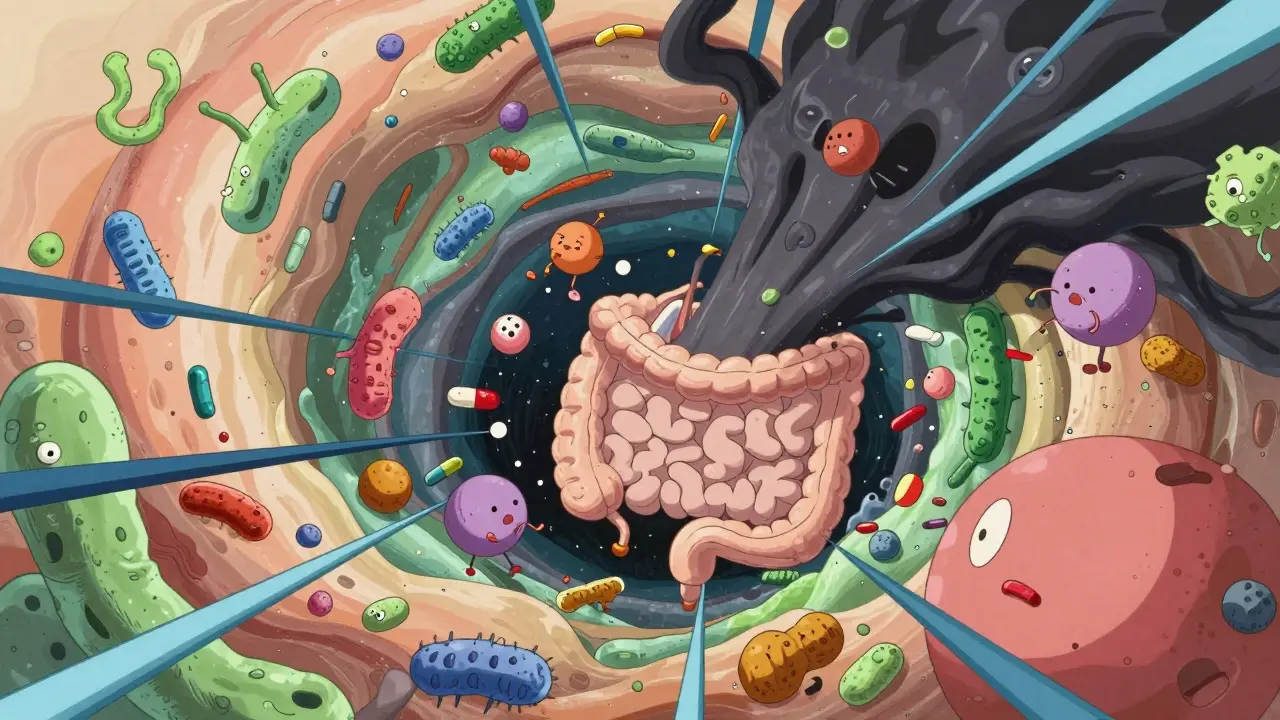
Your gut isn’t just a tube for digestion; it’s a complex ecosystem. According to the Henry Ford Health System, your intestines house over 100 trillion bacteria. These microbes help break down food, regulate your immune system, and keep pathogens in check. When you take broad-spectrum antibiotics, they act like a carpet bomb in this ecosystem. They target the harmful invaders, sure, but they also decimate the beneficial populations of Lactobacillus and Bifidobacterium.
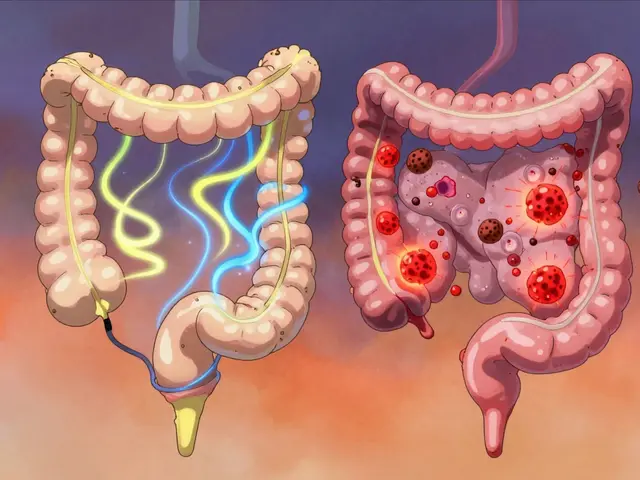
Without these helpers, your gut lining becomes vulnerable. The balance tips, allowing opportunistic bacteria like Clostridioides difficile to multiply unchecked. This leads to inflammation and fluid loss, resulting in diarrhea. It’s not just about discomfort; for some patients, especially the elderly or immunocompromised, this can become a serious medical issue requiring hospitalization. Understanding this mechanism is crucial because it tells us exactly what we need to fix: we need to replenish the good guys while the bad ones are being cleared out.
The Evidence: Do Probiotics Actually Work?
You might have heard conflicting advice from friends or doctors. Some swear by them; others say they’re a waste of money. The scientific community has been digging into this, and the results are surprisingly clear for certain conditions. A major Cochrane review published in 2020 analyzed 13 trials involving over 2,400 participants. The findings were compelling: in high-risk groups, the incidence of Clostridioides difficile-associated diarrhea dropped from 11.6% in the control group to just 3.1% in the probiotic group. That’s a massive reduction.
However, context matters. While probiotics excel at preventing this specific type of severe diarrhea, their effect on general mild stomach upset is less consistent. A systematic review noted that probiotics reduce the overall risk of adverse events by about 17%, though the quality of this evidence was rated as low. This suggests that while they aren’t a magic bullet for every symptom, they are a highly effective tool for preventing the most dangerous complications. The key takeaway here is specificity. You aren’t looking for a general "gut cleaner"; you are looking for a targeted defense against specific bacterial imbalances.
Choosing the Right Strain: Not All Probiotics Are Equal
This is where most people go wrong. They grab a random multi-strain supplement from the pharmacy aisle and hope for the best. But research shows that efficacy is strain-specific. Two strains from the same genus can have completely different effects on your body. Based on current clinical consensus, two stand out for antibiotic therapy:
- Saccharomyces boulardii: This is a yeast, not a bacterium, which means it’s naturally resistant to many antibiotics. A 2018 meta-analysis found it reduced the risk of antibiotic-associated diarrhea by 50%. It’s particularly popular for travelers and those prone to loose stools.
- Lactobacillus rhamnosus GG: Often branded as Culturelle, this bacterial strain has extensive data backing its use. It helps restore normal gut flora and supports immune function. Market data indicates it accounts for about 35% of probiotic sales specifically for antibiotic use.
Other strains like Lactobacillus acidophilus or Bifidobacterium species have benefits, but the evidence for their specific role in *preventing* antibiotic side effects is weaker than the top two. If you’re shopping, look for these specific names on the label, not just generic "probiotic blend."
| Strain | Type | Key Benefit | Effectiveness Data |
|---|---|---|---|
| Saccharomyces boulardii | Yeast | Highly resistant to antibiotics; reduces AAD risk | 50% reduction in AAD risk (RR 0.50) |
| Lactobacillus rhamnosus GG | Bacteria | Restores gut flora; prevents C. diff | Significant reduction in CDAD incidence |
| Multi-strain blends | Mixed | General maintenance | Varies widely; less specific evidence |

Timing Is Everything: How to Take Them Correctly
Even if you buy the right strain, taking it at the wrong time can ruin its effectiveness. Here’s the logic: if you swallow a live bacterium at the exact same moment you swallow an antibiotic designed to kill bacteria, the drug will likely kill the probiotic before it can reach your gut. This renders the supplement useless.
The standard recommendation from experts, including resources from the International Scientific Association for Probiotics and Prebiotics (ISAPP), is to separate the doses. Aim for a gap of at least 2 to 3 hours between taking your antibiotic and your probiotic. Many users find success taking the antibiotic with breakfast and the probiotic with dinner, or vice versa. This ensures the probiotic survives the journey through your stomach and can colonize the gut effectively.
Dosing also matters. Typical recommendations range from 5 to 10 billion colony-forming units (CFUs) daily. Don’t assume more is better; extremely high doses can sometimes cause initial bloating or gas as your gut adjusts. Start with the recommended dose on the label and stick to it consistently throughout your antibiotic course.
Quality Control: The Regulatory Gap
Here’s a tricky part of the story. In the United States, most probiotics are sold as dietary supplements under DSHEA regulations. This means manufacturers don’t have to prove their products work or are safe before selling them, unlike pharmaceuticals. The FDA doesn’t verify label claims. So, how do you know you’re getting what you paid for?
Testing by independent organizations like ConsumerLab has revealed issues. In one analysis, 30% of probiotic supplements didn’t contain the number of live organisms stated on the label, and 15% contained unlisted microbial strains. This variability makes brand reputation important. Look for brands that undergo third-party testing for purity and potency. While no single certification guarantees perfection, it’s a safer bet than buying an unknown brand from a discount bin.

Safety Considerations and Who Should Be Cautious
For healthy adults, probiotics are generally safe. However, they aren’t for everyone. If you have a compromised immune system, such as from chemotherapy, HIV/AIDS, or organ transplant medications, talk to your doctor first. There have been rare cases of infections caused by the probiotic organisms themselves, known as fungemia or bacteremia. While extremely uncommon in healthy people, the risk is higher in those whose bodies can’t fight off even beneficial microbes.
Also, be aware of temporary side effects. It’s common to experience increased gas or bloating for the first few days. This is usually your gut adjusting to the new influx of bacteria. It typically resolves within a week. If symptoms persist or worsen, stop the supplement and consult your healthcare provider.
Practical Tips for Success
To get the most out of your probiotic therapy, follow these practical steps:
- Start early: Begin taking the probiotic at the same time you start the antibiotic, not after you finish. Prevention is easier than cure.
- Separate doses: Keep a 2-3 hour window between antibiotic and probiotic intake.
- Stay consistent: Take it daily. Missing doses breaks the chain of colonization.
- Continue after: Keep taking the probiotic for 1-2 weeks after finishing your antibiotics to help your microbiome fully recover.
- Check the label: Ensure the product lists the specific strain (e.g., *L. rhamnosus* GG) and CFU count.
By treating your gut health as an active part of your recovery plan, you can significantly improve your experience with necessary antibiotic treatments. It’s a small addition to your routine that can spare you days of discomfort and potential complications.
Can I take probiotics with my antibiotics?
Technically yes, but it’s not ideal. Taking them together may allow the antibiotic to kill the probiotic bacteria. It is best practice to space them out by at least 2 to 3 hours to ensure the probiotic survives to do its job.
Which probiotic is best for antibiotic diarrhea?
The strongest evidence supports Saccharomyces boulardii and Lactobacillus rhamnosus GG. These two strains have the most robust clinical data showing they reduce the risk of antibiotic-associated diarrhea and Clostridioides difficile infection.
How long should I take probiotics during antibiotic therapy?
You should take them for the entire duration of your antibiotic course and continue for another 1 to 2 weeks after finishing. This helps your gut microbiome re-establish itself fully once the antibiotics are no longer disrupting it.
Are probiotics safe for everyone?
Most healthy adults can take them safely. However, individuals with weakened immune systems, recent surgery, or critical illness should consult a doctor first, as there are rare risks of infection from the probiotic organisms themselves.
Do probiotics interact with other medications?
Interactions are rare, but always check with your pharmacist. The main interaction to manage is with the antibiotic itself, which requires timing separation. Other than that, probiotics are generally compatible with most common medications.