Why That Sticker on Your Pill Bottle Matters More Than You Think
You pick up your prescription. The pharmacist hands you a bottle with a colorful sticker. You toss it in your bag, maybe glance at the name, and head home. It feels routine. But that small piece of paper is actually a lifeline. It holds the specific instructions that keep you safe, tell you exactly how much medicine to take, and warn you about hidden dangers. Ignoring it can lead to serious mistakes.
In the United States, medication errors are shockingly common. According to the Agency for Healthcare Research and Quality, these errors contribute to approximately 7,000 deaths annually. Many of these mistakes happen because patients don’t fully understand what they are taking or why. The prescription label is the primary tool designed to bridge the gap between complex medical science and your daily routine. Let’s break down exactly what each part means so you can take control of your health.
The Basics: Who, What, and Where
When you first look at the label, you’ll see three key pieces of identity information. These aren’t just formalities; they are critical safety checks.
- Your Name: This seems obvious, but it is the first line of defense against mix-ups. Pharmacies handle thousands of prescriptions a day. Seeing your name confirms this bottle belongs to you. If the name is wrong, stop immediately. Do not take the medication.
- The Pharmacy Details: You will see the name, address, and phone number of the dispensing pharmacy. This is vital if you have questions later. Did you lose the instruction leaflet? Is the cap broken? Call the number right there on the label. It connects you directly to the professionals who prepared your dose.
- The Prescriber’s Name: This lists the doctor or nurse practitioner who ordered the medication. Knowing who prescribed it helps you track your care history, especially if you see multiple specialists.
These details create a chain of custody. They ensure that the right person gets the right medicine from the right source. Never ignore a mismatch here.
Understanding the Medication Name and Strength
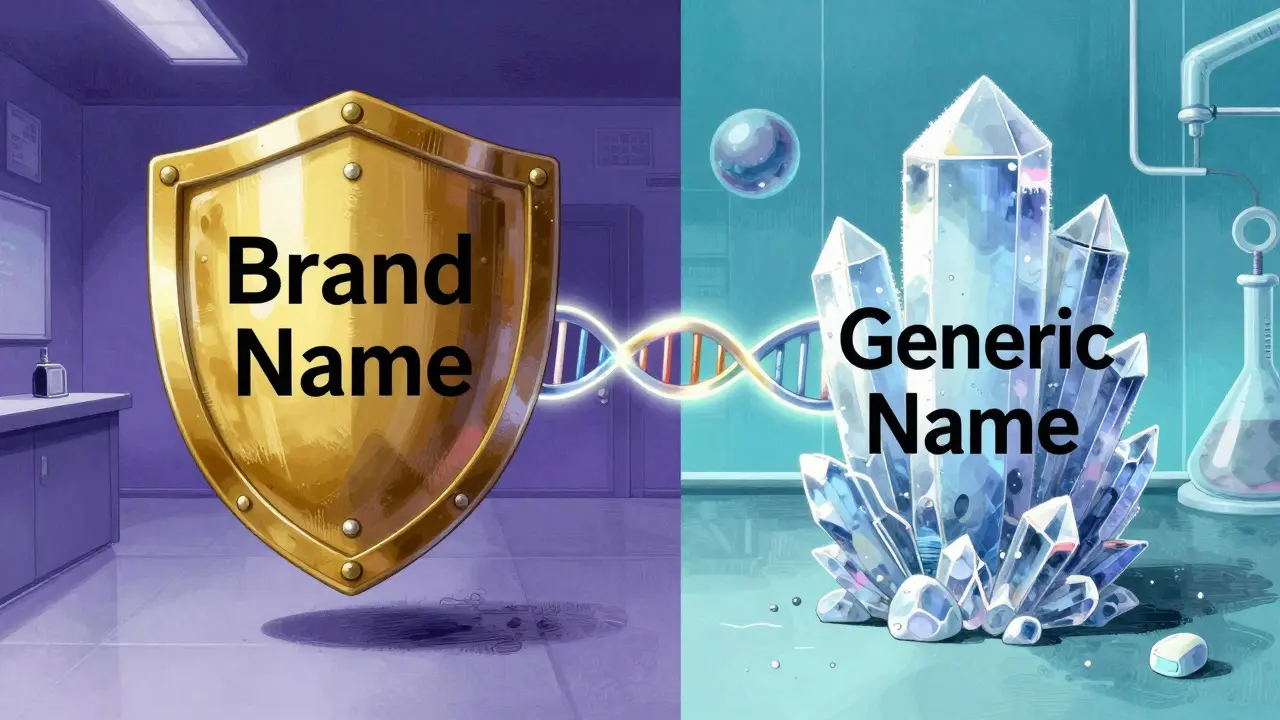
This section often confuses people because it lists two names. You might see "Abstral" and below it "fentanyl." Or "Lipitor" and "atorvastatin." Here is the difference:
- Brand Name: This is the marketing name created by the pharmaceutical company (e.g., Lipitor). It is usually capitalized and easy to remember.
- Generic Name: This is the actual active ingredient (e.g., atorvastatin). This is the scientific name used by doctors and pharmacists worldwide. Generic drugs contain the same active ingredient as brand-name drugs but cost less.
Next to the name is the dosage strength. For example, "10 mg" or "500 mcg." This tells you how much of the active drug is in each pill or liquid measure. Taking a 10 mg pill when you need 5 mg is a double dose. Always check this number matches what your doctor told you.
Some labels also include a visual description. You might read "white, round tablet with imprint 'XYZ'." This helps you identify the pill if it falls out of the bottle. It also serves as a quality check. If your pills suddenly change color or shape, call your pharmacy. It could mean you received a different medication or a new manufacturer’s version.
The Instructions: How and When to Take It
This is the most important part of the label. It dictates your daily routine. You will see phrases like "Take 1 tablet by mouth twice daily" or "Apply cream to affected area once nightly."
Pay close attention to the frequency. "Twice daily" usually means every 12 hours, not just morning and night whenever you feel like it. Consistency keeps the drug level steady in your blood. Some labels add special directions, such as "take with food" or "avoid grapefruit juice." These aren’t suggestions. Grapefruit juice, for instance, can interfere with how your liver processes certain statins, leading to dangerous side effects. Follow these notes exactly.
If the instructions use abbreviations you don’t recognize, ask your pharmacist to spell them out. The BeMedWise campaign found that many parents misinterpret pediatric doses because labels use "tsp" instead of "teaspoon." Ambiguity leads to errors. Clarity saves lives.
Dates, Numbers, and Codes: The Hidden Data
Beneath the main instructions, you’ll find smaller text containing dates and codes. These seem technical, but they serve practical purposes.
| Code/Date | What It Means | Why It Matters |
|---|---|---|
| Rx Number | A unique identifier for this specific prescription order. | Required for refills. Ensures you get the exact same formulation. |
| Expiration Date | The date after which the drug may lose potency. | Taking expired meds can be ineffective or harmful. Usually 12-18 months from dispensing. |
| NDC Number | National Drug Code (10-11 digits). | Identifies the manufacturer, product, and package size. Used for tracking recalls. |
The expiration date is crucial. Most solid oral medications remain stable for 12 to 18 months after being dispensed, according to United States Pharmacopeia standards. However, liquids and injectables expire faster. Check this date before starting any old medication you find in your cabinet.
The Rx number is your ticket for refills. When you call for a refill, give this number. It ensures the pharmacy pulls the correct record. If you switch pharmacies, this number helps transfer your history accurately.
Warnings and Storage: Keeping It Safe
Labels often include a "Caution" or "Warning" section. This highlights risks specific to your condition or the drug itself. For example, a label might say "May cause drowsiness. Do not drive." Or "Avoid alcohol." These warnings exist because the FDA requires manufacturers to disclose known adverse reactions.
Storage instructions are equally important. You might see "Store at room temperature" or "Refrigerate, do not freeze." Heat and light can degrade medications. Insulin, for instance, loses effectiveness if exposed to high heat. Keep your meds in a cool, dry place away from bathrooms (humidity) and cars (heat fluctuations).
Some high-risk medications come with a separate Medication Guide or Patient Package Insert. These are required by the FDA for drugs with serious potential side effects, like isotretinoin or estrogen therapies. Read these documents. They provide detailed information on long-term risks and what to watch for.
Practical Tips for Reading Labels Effectively
Understanding your label is an active process. Here are some strategies to ensure you never miss a detail:
- Use the "Teach-Back" Method: When the pharmacist counsels you, repeat the instructions back to them. Say, "So I take one pill every morning with breakfast, right?" This confirms your understanding. Studies show this method improves adherence by 28%.
- Ask About the "Why": The USP recommends including the indication (reason for use) on labels. If your label doesn’t state why you’re taking the drug, ask your pharmacist. Knowing you’re taking a pill for "high blood pressure" rather than just "a white tablet" reduces confusion, especially if you take multiple medications.
- Check for Tall Man Lettering: Look for names like predniSONE vs. predniSOLONE. Pharmacists use this formatting to distinguish look-alike drugs. If you see this, pay extra attention to the generic name.
- Review Every Time: Don’t just read the label when you first get the prescription. Glance at it every time you take a dose. This habit catches errors early, such as a pharmacy filling the wrong strength.
Technology can help too. Many pharmacies offer apps that scan your label and send reminders. Use these tools if you struggle with memory or complex schedules.
When to Call Your Pharmacist
You don’t have to figure everything out alone. Your pharmacist is an accessible healthcare expert. Call them if:
- The label uses abbreviations you don’t understand.
- The medication looks different from previous bottles.
- You experience unexpected side effects.
- You are unsure how to split a pill or use a device (like an inhaler).
Pharmacists spend an average of 2.7 minutes counseling patients on new prescriptions. Use that time wisely. Ask the five key questions recommended by the National Council on Patient Information and Education: What is the medication for? How do I take it? What happens if I miss a dose? What are the side effects? Will it interact with other drugs?
Your prescription label is more than a sticker. It is a contract for your safety. By understanding each part-from the patient name to the NDC code-you empower yourself to avoid errors and manage your health effectively. Take a moment to read it. Your health depends on it.
What does the NDC number on my prescription label mean?
The National Drug Code (NDC) is a 10- or 11-digit unique identifier for the manufacturer, the specific drug product, and the package size. It helps track medications through the supply chain and is essential for identifying drugs during recalls or shortages.
Why are there two names listed for my medication?
One name is the Brand Name (the marketing name created by the company), and the other is the Generic Name (the active pharmaceutical ingredient). Both refer to the same drug, but the generic name is the standard scientific term used globally.
How long is a prescription valid after the expiration date?
Generally, you should not take medication after its expiration date. Solid tablets typically remain potent for 12-18 months after dispensing, but liquids and biologics expire sooner. Expired drugs may lose effectiveness or become unsafe.
What should I do if the instructions on my label are unclear?
Call the pharmacy listed on the label immediately. Ask the pharmacist to clarify the dosage, frequency, and any special directions. Do not guess, as incorrect dosing can lead to serious health issues.
Does my prescription label include the reason for taking the medication?
Not always, though it is increasingly recommended. The USP advocates for including the "indication" (reason for use) to reduce errors. If it’s missing, ask your pharmacist to explain why you are taking the drug and write it down.