Psychiatric Medication Interaction Checker
Select your current psychiatric medications and any other drugs/supplements you're taking. The tool will check for dangerous interactions based on medical guidelines.
This is for educational purposes only. Never make medication changes without consulting your doctor or pharmacist.
When you're taking more than one psychiatric medication, it's not just about whether each drug works on its own-it's about what happens when they meet inside your body. Some combinations can make you feel better. Others can land you in the hospital. The difference often comes down to a few hidden chemical reactions you might never hear about unless you ask the right questions.
Why Some Medications Don't Play Nice Together
Psychiatric drugs don't float around in your brain like harmless particles. They're designed to tweak specific neurotransmitters-serotonin, norepinephrine, dopamine-and when two or more drugs hit the same system at once, things can go sideways fast. The most dangerous interactions happen when multiple drugs boost serotonin too much. That’s how serotonin syndrome starts. Serotonin syndrome isn’t just a side effect. It’s a medical emergency. Symptoms include high fever, rapid heartbeat, confusion, muscle rigidity, and seizures. In severe cases, it kills. Between 2% and 12% of people who develop severe serotonin syndrome don’t survive. And the most common trigger? Combining an SSRI like sertraline or fluoxetine with an MAO inhibitor like phenelzine or tranylcypromine. Even less obvious combos can be risky. Tramadol, a painkiller many people take for back pain or arthritis, also raises serotonin. If you’re on an SSRI and your doctor adds tramadol without warning you, you’re playing Russian roulette with your nervous system. The same goes for dextromethorphan, the cough suppressant in many over-the-counter cold meds. It’s not just a cough syrup-it’s a serotonin booster.The Top Three Dangerous Combinations
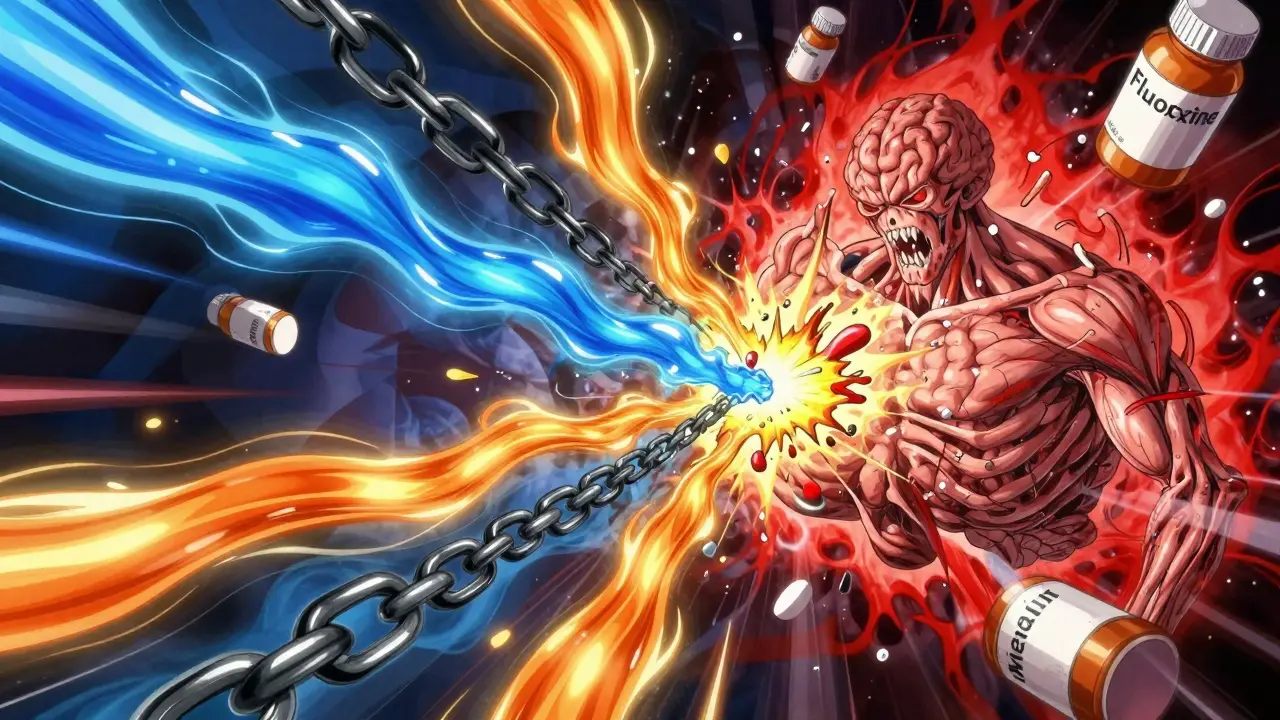
Not all drug interactions are created equal. Some are rare. Others are common-and deadly. Here are the three combinations that come up again and again in emergency rooms and psychiatric clinics:- MAO inhibitors + SSRIs/SNRIs - This is the classic killer combo. MAOIs stop your body from breaking down serotonin. SSRIs and SNRIs flood your brain with it. Together, they cause serotonin levels to spike uncontrollably. Even a few days of overlap after switching from one to the other can trigger a crisis. The rule? Wait at least two weeks after stopping an SSRI before starting an MAOI. For fluoxetine, which sticks around longer, wait five weeks.
- TCAs + anticholinergic drugs - Tricyclic antidepressants like amitriptyline and nortriptyline already cause dry mouth, constipation, blurred vision, and urinary retention because they block acetylcholine. Add an antihistamine like diphenhydramine (Benadryl), an antipsychotic like chlorpromazine, or even some bladder medications, and those side effects don’t just get worse-they can become life-threatening. Heart rhythm problems, extreme confusion, and dangerous drops in blood pressure are real risks. Many older adults don’t realize their nighttime sleep aid is making their depression meds more toxic.
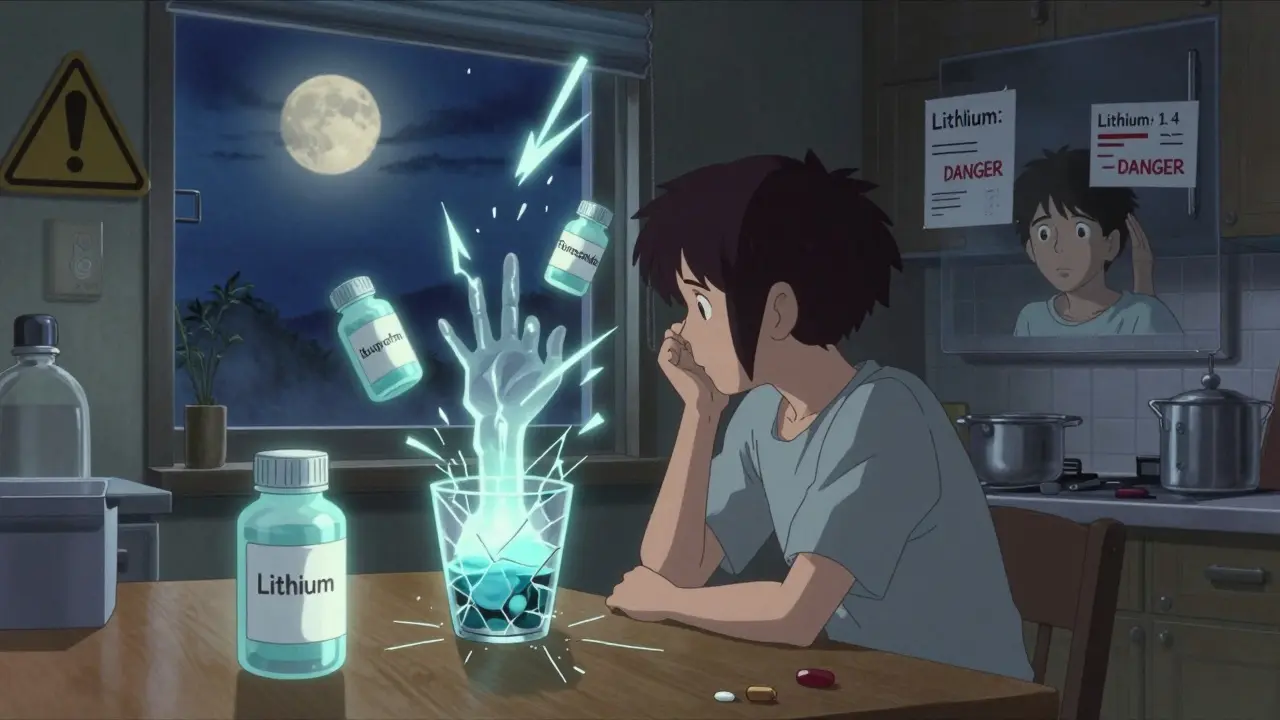
- Lithium + NSAIDs or diuretics - Lithium is a mood stabilizer with a very narrow safety window. Your blood level needs to stay between 0.6 and 1.0 mmol/L. Too low? It doesn’t work. Too high? You get tremors, vomiting, kidney damage, or seizures. NSAIDs like ibuprofen or naproxen can raise lithium levels by 25% to 50%. Diuretics (water pills) do the same by reducing sodium, which causes your kidneys to hold onto lithium. People on lithium who start taking Advil for arthritis or a diuretic for high blood pressure often don’t know they’re walking into danger until they start feeling sick.
Which Medications Are Safer to Combine?
Not all psychiatric drugs are high-risk. Some have clean interaction profiles, making them better choices when you need multiple meds. For example, sertraline and citalopram are SSRIs with lower potential for drug interactions. They don’t strongly block the liver enzymes that break down other medications, unlike fluvoxamine, which is a notorious inhibitor of CYP1A2, 2C9, 2C19, and 3A4. If you’re already on blood thinners, seizure meds, or other antidepressants, fluvoxamine might not be the best pick. Vilazodone (Viibryd) is another low-risk option. It affects serotonin heavily but doesn’t touch norepinephrine or dopamine. That means fewer cross-talk issues with antipsychotics or stimulants. Quetiapine (Seroquel), an atypical antipsychotic, has fewer enzyme-based interactions than risperidone or olanzapine, making it a safer choice when layered with other meds. The bottom line? If you need to take multiple psychiatric drugs, ask your doctor: “Which one of these has the least chance of interacting with the others?” Sometimes, switching one drug for a cleaner alternative can prevent a hospital visit.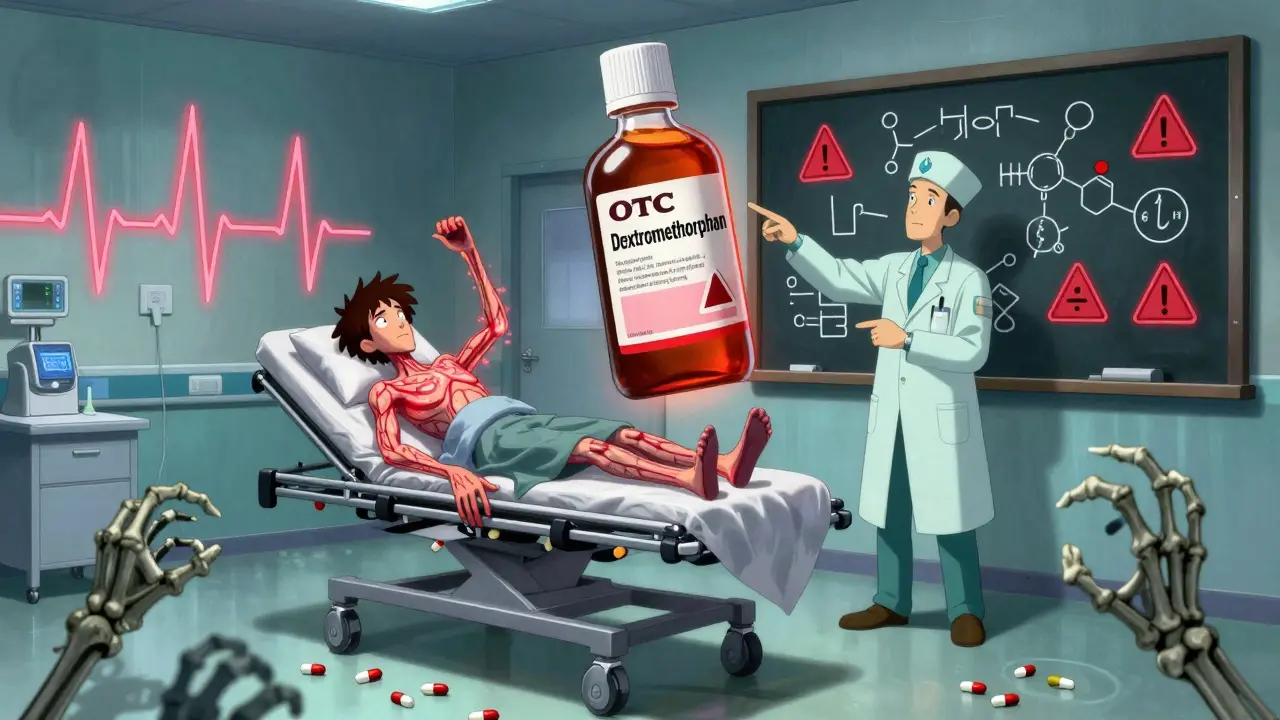
What Your Doctor Should Be Monitoring
If you’re on a combination of psychiatric meds, you shouldn’t just get a prescription and hope for the best. There are specific checks that should happen-regularly.- Lithium levels - Checked every 3 to 6 months, or anytime you start or stop an NSAID, diuretic, or ACE inhibitor. If your level goes above 1.2 mmol/L, your dose needs to drop immediately.
- INR for warfarin users - If you’re on an SSRI like fluoxetine or fluvoxamine while taking warfarin, your blood clotting time can spike. Weekly INR checks for the first month are standard.
- Liver function tests - Needed every 3 months if you’re on valproate, carbamazepine, or some antipsychotics like clozapine.
- Blood counts for clozapine - Weekly for the first 6 months, then every 2 weeks. Clozapine can wipe out white blood cells without warning. This isn’t optional monitoring-it’s life-saving.
- AIMS score for antipsychotics - A simple test for involuntary movements. Done every 3 months if you’re on long-term antipsychotics. Early detection can prevent permanent movement disorders.
What You Can Do Right Now
You don’t have to wait for your next appointment to protect yourself. Here’s what to do today:- Make a full list - Write down every medication, supplement, and OTC drug you take. Include herbal teas (like St. John’s Wort), sleep aids, and pain relievers. Many people forget these.
- Ask your pharmacist - Pharmacists have access to real-time interaction checkers. Bring your list to them. Ask: “Are any of these combinations dangerous?”
- Know your red flags - If you start feeling agitated, sweaty, shaky, confused, or your muscles feel stiff after starting a new med or changing a dose, call your doctor immediately. Don’t wait.
- Never stop or start meds on your own - Even if you think a supplement is “natural,” it can interact. St. John’s Wort, for example, can trigger serotonin syndrome when mixed with SSRIs.
What’s Changing in 2026
New tools are making these risks easier to catch. Some clinics now use digital alerts that flag dangerous combos the moment a prescription is written. Studies show these systems cut serious interaction events by 37%. Genetic testing is also becoming more common. If you have a CYP2D6 or CYP2C19 gene variant, your body might process certain antidepressants too slowly-or too fast. That affects how likely you are to have an interaction. The Clinical Pharmacogenetics Implementation Consortium updated its guidelines in 2022 to help doctors use this info. And while AI-powered risk predictors are still in testing, they’re coming. The National Institute of Mental Health is running pilot programs that look at your full medication history, genetics, and lab results to predict your personal interaction risk. In the next few years, your psychiatrist might not just guess what’s safe-they’ll know.Bottom Line
Psychiatric medications save lives. But they’re not harmless. When you take more than one, you’re managing a chemical tightrope. The safest approach isn’t avoiding multiple meds-it’s knowing exactly how they work together. If you’re on two or more psychiatric drugs, don’t assume everything’s fine because you feel okay. Ask for a full interaction review. Demand clear monitoring plans. Keep your list updated. And if something feels off after a new prescription? Speak up. Your life might depend on it.Can I take over-the-counter cold medicine with my antidepressant?
Some can be dangerous. Many cold and flu meds contain dextromethorphan or pseudoephedrine. Dextromethorphan increases serotonin and can trigger serotonin syndrome if you’re on an SSRI or SNRI. Pseudoephedrine can raise blood pressure, especially if you’re on an MAOI or tricyclic antidepressant. Always check with your pharmacist before taking any OTC product. Look for alternatives like acetaminophen for pain and saline nasal spray for congestion-both are generally safe.
How long should I wait between stopping one psychiatric drug and starting another?
It depends on the drugs. For most SSRIs, wait at least two weeks before starting an MAOI. But fluoxetine stays in your system longer-wait five weeks. If switching from an MAOI to an SSRI, wait at least two weeks after stopping the MAOI. Never overlap these drugs without medical supervision. Your doctor should give you a clear washout schedule. If they don’t, ask for one.
Is it safe to drink alcohol while on psychiatric meds?
Not usually. Alcohol adds to sedation, especially with TCAs, benzodiazepines, and antipsychotics. It can worsen depression and anxiety symptoms long-term. For people on lithium, alcohol can dehydrate you and spike lithium levels. Even one drink can make you dizzy, confused, or unsteady. If you’re on psychiatric meds, it’s safest to avoid alcohol entirely-or at least talk to your doctor about your specific situation.
What should I do if I accidentally take a dangerous combo?
If you experience symptoms like high fever, rapid heartbeat, muscle stiffness, confusion, or seizures, seek emergency care immediately. Call 999 or go to the nearest A&E. Don’t wait. Serotonin syndrome and other dangerous interactions can escalate quickly. Bring your medication list with you. The sooner treatment starts, the better your outcome.
Are natural supplements safe to take with psychiatric meds?
Many aren’t. St. John’s Wort is one of the most dangerous-it can cause serotonin syndrome when mixed with SSRIs. 5-HTP and tryptophan also boost serotonin and carry the same risk. Melatonin is usually safe, but can increase drowsiness with sedating meds. Always tell your doctor about every supplement you take. Just because it’s sold in a health store doesn’t mean it’s safe with your prescription.