
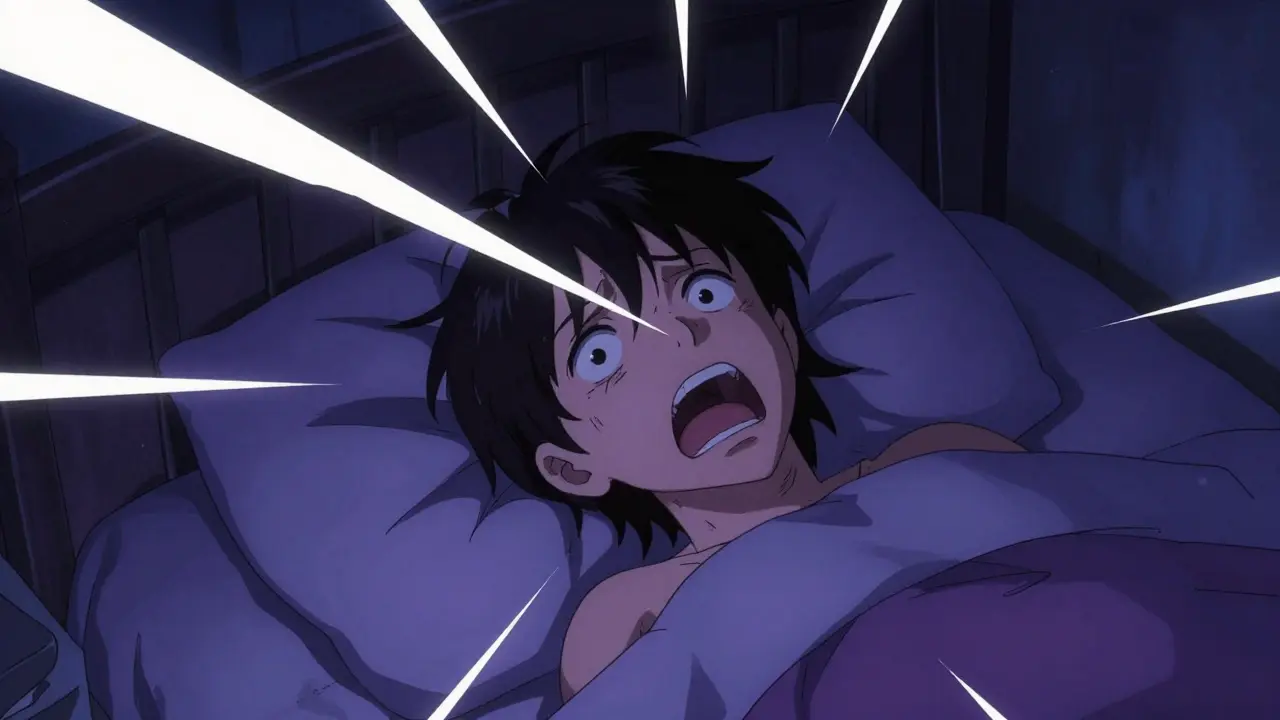
Imagine waking up in the middle of the night gasping for air, feeling like a weight is pressing down on your chest. For many people managing chronic pain, this isn't just a bad dream-it's a dangerous side effect of their medication. When you combine opioids is a class of drugs used to treat moderate to severe pain by binding to opioid receptors in the brain with a breathing disorder, you create what experts call a "perfect storm" for your lungs. This combination can lead to severe nighttime hypoxia, where your blood oxygen levels drop to dangerous levels while you sleep.
The Dangerous Synergy of Opioids and Sleep Apnea
Taking pain medication is about finding relief, but opioids don't just numb pain; they change how your brain tells your body to breathe. When you're awake, your brain is constantly monitoring carbon dioxide levels and forcing you to take a breath. However, during sleep, that drive to breathe naturally weakens. Opioids amplify this effect, making your respiratory system far less responsive to the signals that tell you to inhale.
For someone without sleep issues, this might just mean slower breathing. But for those with Obstructive Sleep Apnea (OSA), it's a different story. OSA is a condition where the upper airway collapses during sleep, physically blocking the flow of air. Opioids further relax the muscles in the throat, specifically the genioglossus muscle, making the airway even more likely to collapse. This means you aren't just fighting a physical blockage; you're also fighting a brain that has "forgotten" to trigger a breath.
How Your Brain and Airway React to Opioids
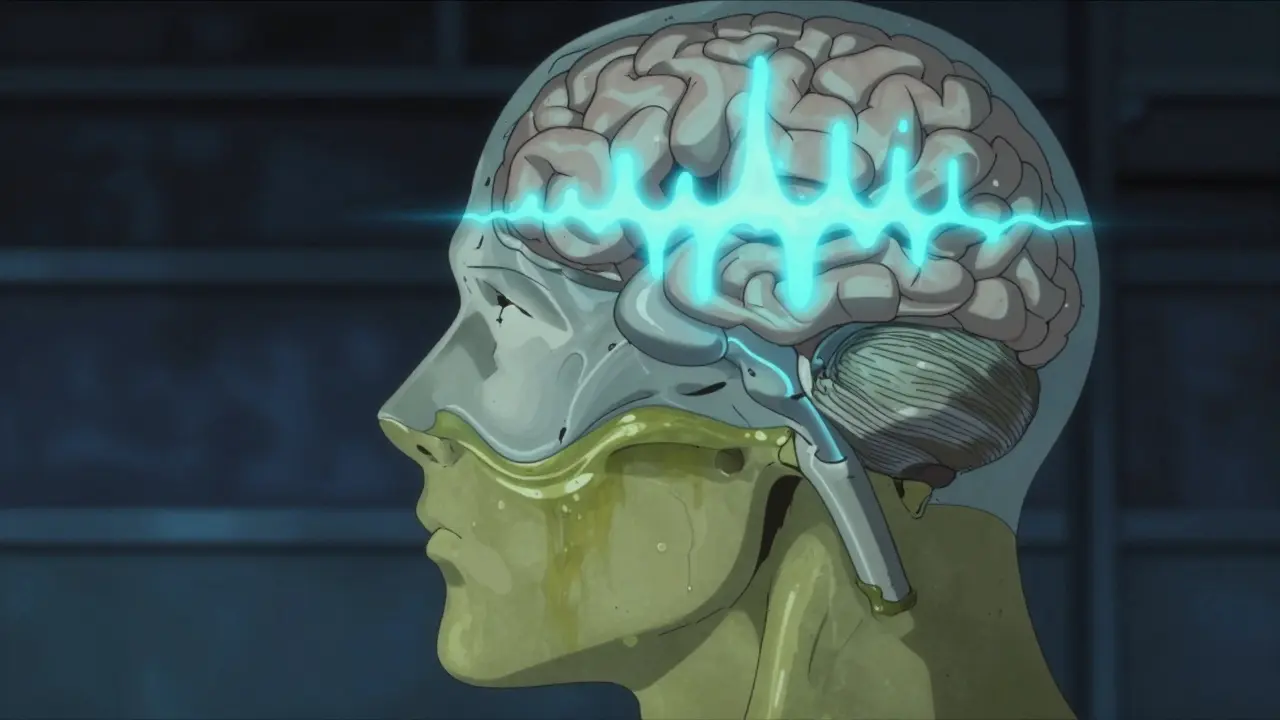
To understand why this happens, we have to look at the brainstem. Opioids target μ-opioid receptors located in critical areas like the pre-Bötzinger complex, which acts as the pacemaker for your breathing rhythm. By dampening these signals, opioids cause a dose-dependent drop in your respiratory rate and tidal volume (the amount of air you move in and out per breath).
Research shows a stark difference in how the body responds to low oxygen. In a healthy person, a drop in oxygen triggers an immediate increase in breathing. In chronic opioid users, this "hypoxic ventilatory response" can be slashed by 25% to 50%. Essentially, your body's internal alarm system for low oxygen is turned down or completely muted. This leads to a state of hypercapnia, where carbon dioxide builds up in the blood because it isn't being exhaled efficiently.
This isn't just about obstruction. Many users develop Central Sleep Apnea (CSA), where the brain simply stops sending signals to the muscles to breathe, regardless of whether the airway is open. While a typical person might have only 2 to 5 central apnea events per hour, chronic opioid users often see that number jump to 10 or 15.
| Metric | Non-Opioid User (Avg) | Chronic Opioid User (Avg) | Clinical Impact |
|---|---|---|---|
| Apnea-Hypopnea Index (AHI) | 15-20 events/hr | 25-35 events/hr | Higher frequency of breathing pauses |
| Central Apnea Index (CAI) | 2-5 events/hr | 10-15 events/hr | Brain fails to signal breathing |
| Hypoxic Response | 100% (Baseline) | 50-75% of Baseline | Reduced drive to breathe during oxygen drops |
| Airway Closing Pressure | Normal | Reduced by 2-4 cm H2O | Easier for throat to collapse |
Who is Most at Risk?
Not every person on pain medication will experience these effects, but certain red flags make the risk much higher. Weight is a major factor; if you have a BMI of 30 or more, the physical pressure on your airway combined with opioid-induced muscle relaxation creates a high-risk scenario. Similarly, a history of loud snoring is often the first clue that the airway is unstable.
The type of medication also matters. Methadone is known to carry a higher risk of severe central sleep apnea compared to other opioids. Dosage is equally critical. Data suggests that for every 10 mg increase in morphine equivalent daily dose (MEDD), there is roughly a 5.3% increase in the apnea-hypopnea index. Patients taking more than 100 MEDD are significantly more likely to show unstable breathing patterns during the night.
The most dangerous group consists of those with untreated OSA who begin opioid therapy. These patients face a 3.7-fold higher risk of their oxygen saturation dropping below 80% during sleep. This level of hypoxia can put immense strain on the heart and increase the risk of sudden cardiac events or respiratory arrest.
Practical Steps for Management and Safety
If you are taking long-term opioids, the most important step is to get screened. Many doctors don't routinely check for sleep apnea before prescribing these medications, but it should be a priority. A Polysomnography (an overnight sleep study) is the gold standard for diagnosing exactly what is happening in your airway and brain.
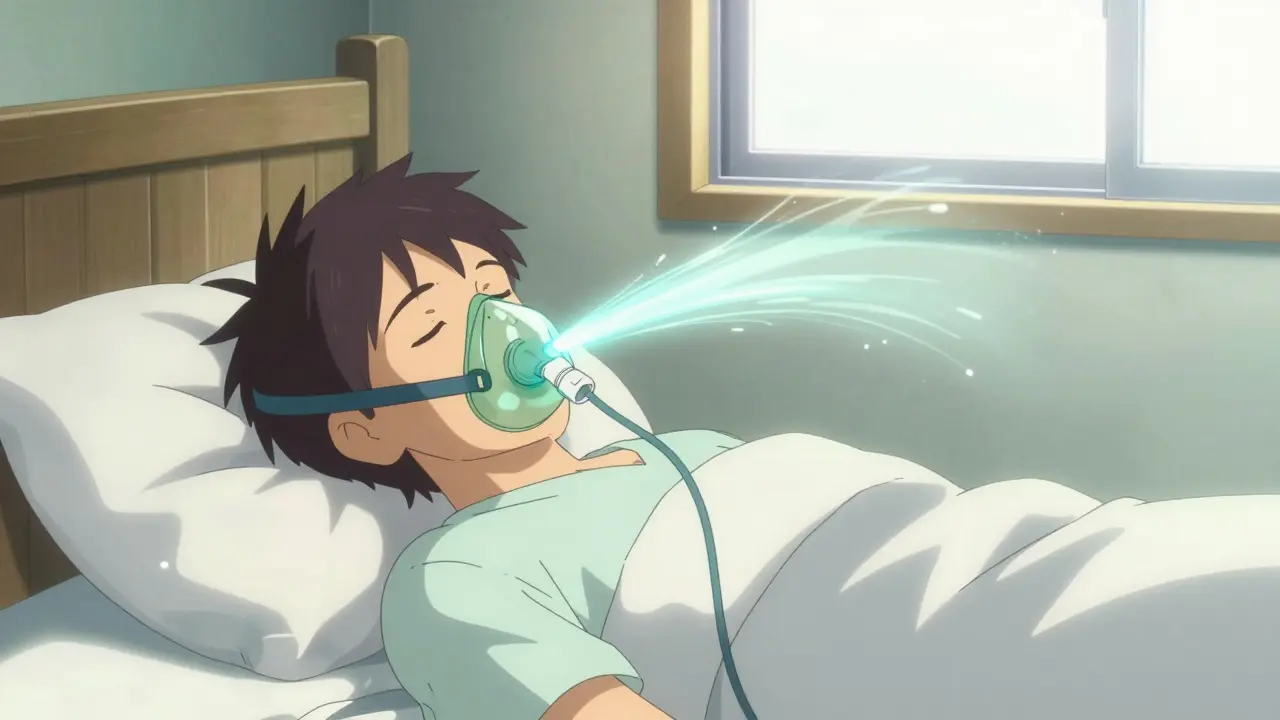
For those diagnosed with OSA, CPAP (Continuous Positive Airway Pressure) is the primary treatment. It uses a machine to blow a steady stream of air into your throat, acting like a "pneumatic splint" to keep the airway open. While some opioid users find CPAP uncomfortable or struggle with the cognitive "fog" the medication causes, sticking with the therapy is life-saving.
Beyond CPAP, there are other strategies to lower the risk:
- Opioid Rotation: Switching to different formulations that may be less respiratory-depressant.
- Dose Reduction: Working with a doctor to find the lowest effective dose to manage pain without compromising breathing.
- Positional Therapy: Avoiding sleeping on your back, which often worsens airway collapse.
- New Medical Options: Some clinics are testing medications like acetazolamide to help stimulate the drive to breathe in patients with opioid-related central apnea.
The Future of Screening and Treatment
Medical technology is moving toward easier, home-based solutions. The FDA recently cleared devices like the Nox T3 Pro, which are specifically validated for opioid users. These home tests are far more accurate for this population than older home-screening tools, catching a high percentage of moderate-to-severe cases without requiring a hospital stay.
Researchers are also digging into genetics. The Opioid Sleep Apnea Registry is looking at things like the PHOX2B gene. Early findings suggest that people with certain variants of this gene are over three times more likely to develop severe central apnea when using opioids. In the future, a simple genetic test might tell your doctor whether opioids are safe for you or if you need an alternative pain management plan from day one.
Can opioids cause sleep apnea if I didn't have it before?
Yes. Opioids can cause a specific type of breathing disorder called Central Sleep Apnea. Unlike obstructive apnea, where the throat closes, central apnea happens because the drug suppresses the brain's signal to breathe. Even people with a perfectly clear airway can stop breathing during sleep if the opioid dose is high enough to mute the respiratory drive in the brainstem.
What are the warning signs that my medication is affecting my sleep?
The most common signs include waking up gasping for air, excessive daytime sleepiness (feeling exhausted despite sleeping 8+ hours), morning headaches, and loud snoring. If a partner notices you stop breathing or "forget" to breathe for several seconds during the night, this is a major red flag that requires immediate medical attention.
Is CPAP safe to use while taking opioids?
Not only is it safe, it is often recommended. CPAP helps keep the airway open, which counteracts the muscle-relaxing effects of opioids. By preventing the physical collapse of the throat, CPAP reduces the number of times your oxygen levels drop, which can help reduce the daytime fatigue and brain fog associated with nighttime hypoxia.
Will stopping opioids immediately fix my sleep apnea?
In many cases, reducing or stopping opioids improves breathing. However, it's not always a quick fix. Some patients experience permanent changes in how their brain handles respiratory signals after long-term use. Furthermore, you should never stop opioids abruptly due to the risk of withdrawal; any change in medication must be managed by a doctor.
Does the dose of the medication really matter that much?
Absolutely. The relationship is dose-dependent. Higher doses of opioids lead to a more profound suppression of the respiratory center in the brain. For example, patients on high doses (over 100 MEDD) are significantly more likely to suffer from severe central apnea and respiratory instability than those on low doses.
Next Steps for Patients and Caregivers
If you or a loved one are taking chronic opioid therapy, don't wait for a crisis to act. Start by keeping a sleep diary-note how often you wake up gasping or how tired you feel during the day. Bring this log to your next appointment and specifically ask your provider about a sleep screening.
For those already diagnosed with sleep apnea, ensure your CPAP settings are optimized. If you find the mask uncomfortable or the pressure too high, tell your sleep specialist. There are many different types of masks and alternative therapies that can make the treatment easier to tolerate, ensuring you get the oxygen your brain and heart need to stay healthy.