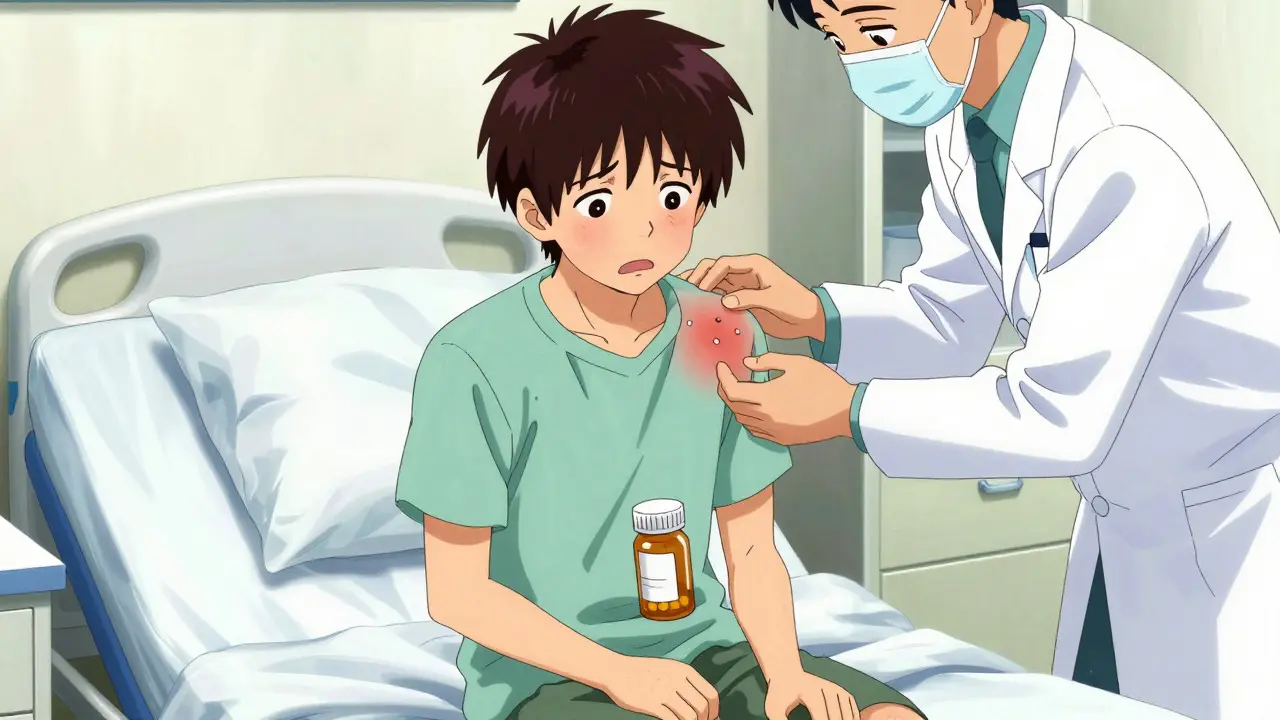
Imagine taking a medication for gout or epilepsy, only to develop a high fever, a spreading rash, and swelling in your lymph nodes weeks later. For many patients, this isn't just a bad allergic reaction; it is DRESS syndrome, also known as Drug Reaction with Eosinophilia and Systemic Symptoms. This rare but serious condition affects the skin, liver, kidneys, and other organs, making early recognition critical for survival.
Unlike common rashes that appear within days of starting a new drug, DRESS has a long latency period. You might not see symptoms until two to eight weeks after exposure. This delay often leads to misdiagnosis, with patients seeing multiple doctors before the correct label is applied. Understanding the specific signs and high-risk medications can help you act fast if you or a loved one are affected.
What Is DRESS Syndrome?
Drug Reaction with Eosinophilia and Systemic Symptoms (DRESS) is a severe, idiosyncratic adverse drug reaction classified as a Severe Cutaneous Adverse Reaction (SCAR). It was first recognized in the 1930s but formally named in the 1980s. The condition is distinct because it involves both the immune system and multiple internal organs simultaneously.
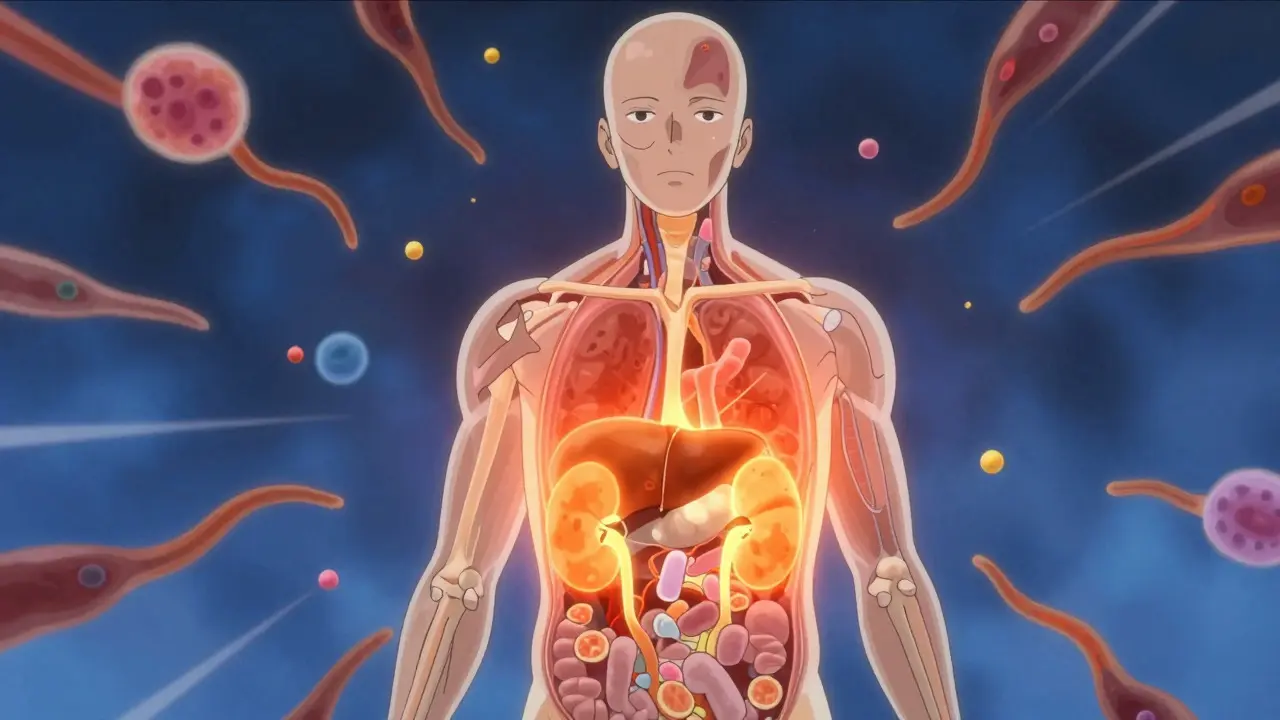
The hallmark of DRESS is a triad of symptoms: fever above 38°C, an extensive skin rash, and hematologic abnormalities, specifically elevated eosinophils. While the skin changes are visible, the danger lies in the "systemic" part of the name. Your liver, kidneys, lungs, and heart can all be involved. The mortality rate is approximately 10%, usually due to liver failure, which underscores why this condition requires immediate medical attention rather than home care.
Key Symptoms and Diagnostic Criteria
Recognizing DRESS early is tough because the initial symptoms mimic the flu. Patients often report malaise, sore throat, and swollen lymph nodes before the rash appears. Here is what typically happens:
- Fever: Usually exceeds 38°C (100.4°F) and persists.
- Rash: Develops 1-2 days after fever onset. It is most commonly morbilliform (measles-like) in 75-90% of cases, but can look maculopapular or vesicular.
- Lymphadenopathy: Swollen lymph nodes in multiple areas of the body.
- Eosinophilia: Blood tests show eosinophil counts >700 cells/μL or >10% of total white blood cells in 95% of cases.
Beyond the skin and blood, organ involvement is frequent. Hepatic issues occur in 70-90% of cases, often with ALT levels exceeding 1,000 U/L. Renal problems affect 10-30% of patients, while lung involvement occurs in 10-20%. Doctors use the RegiSCAR criteria to confirm the diagnosis, which requires hospitalization plus at least three specific clinical features, including acute rash, fever, and multi-organ involvement.
Common Culprit Drugs
Not every medication causes DRESS, but certain classes are notorious triggers. Knowing these can help you stay vigilant if you start a new prescription.
| Medication Class | Specific Drugs | Estimated Case Contribution | Key Risk Factors |
|---|---|---|---|
| Xanthine Oxidase Inhibitors | Allopurinol | 40-50% | Renal impairment (eGFR <60), HLA-B*58:01 allele |
| Antiepileptics | Carbamazepine, Phenytoin, Lamotrigine | 20-30% | HLA-B*15:02 allele, Asian ancestry |
| Sulfonamides | Sulfamethoxazole | 10-15% | HIV infection, renal disease |
| Others | Nifedipine, Vancomycin | <5% | Prolonged use, polypharmacy |
Allopurinol is the most common cause of DRESS, particularly in patients with chronic kidney disease. If you have stage 3+ kidney disease, your risk increases significantly. Genetic testing for the HLA-B*58:01 allele can predict susceptibility in Asian populations, where the odds ratio is as high as 55.3. For antiepileptic drugs like carbamazepine, the HLA-B*15:02 allele is a key predictor, especially in patients of Asian descent.
How DRESS Differs from Other Skin Reactions
It is easy to confuse DRESS with Stevens-Johnson Syndrome (SJS) or Toxic Epidermal Necrolysis (TEN). However, there are critical differences that change how they are treated.
- Latency Period: SJS/TEN usually appear within 1-4 weeks. DRESS takes 2-8 weeks, sometimes up to 16 weeks.
- Mucosal Involvement: SJS/TEN heavily involve the mouth, eyes, and genitals (>90%). DRESS involves mucous membranes in only 30-50% of cases.
- Epidermal Detachment: SJS/TEN cause skin peeling and blistering. DRESS rarely causes significant detachment.
- Immune Mechanism: DRESS involves CD4+ T-cells and eosinophils. SJS/TEN primarily involve cytotoxic CD8+ T-cells.
This distinction matters because SJS/TEN are often more immediately life-threatening due to fluid loss and sepsis from open wounds, while DRESS poses a slower threat through organ damage, particularly to the liver.
Diagnosis and Testing
There is no single simple test for DRESS. Diagnosis is clinical, supported by laboratory results. A complete blood count (CBC) will reveal eosinophilia and atypical lymphocytes. Liver function tests (LFTs) and renal panels check for organ damage.
One interesting aspect of DRESS is its link to viruses. Reactivation of Human Herpesvirus 6 (HHV-6) occurs in 60-70% of cases between 2-4 weeks after symptom onset. This viral reactivation may contribute to the severity and prolonged course of the illness. Doctors may order HHV-6 PCR tests to monitor this, though it is not required for the initial diagnosis.
Diagnostic delays are common. Studies show that only 35% of internal medicine residents can correctly identify DRESS cases without specialist input. If you have been on a new medication for several weeks and develop a fever and rash, ask your doctor specifically about DRESS. Mentioning the timeline and the specific drug can speed up the process.
Treatment and Management
The most important step in treating DRESS is stopping the offending drug immediately. Doing this within 24 hours of recognizing symptoms can reduce mortality from 15% to 5%. Do not wait to see if it gets better on its own.
- Discontinue the Drug: Stop the suspected medication as soon as possible.
- Hospitalization: Most patients require hospital stays of 14-21 days for monitoring and support.
- Corticosteroids: 40-60% of patients need systemic steroids like prednisone (0.5-1 mg/kg/day) for 4-8 weeks. These must be tapered slowly to prevent rebound inflammation.
- Supportive Care: Manage fever, pain, and hydration. Strict infection control is vital because compromised skin and immune suppression increase the risk of bacteremia and fungemia.
Newer treatments are emerging. Research shows that adding anakinra (an IL-1 receptor antagonist) to steroids can shorten hospital stays from 18.5 to 11.2 days in severe cases. For steroid-resistant cases, tocilizumab is being studied in clinical trials. Always consult with a dermatologist or allergist specializing in severe cutaneous reactions for the best treatment plan.
Long-Term Outlook and Prevention
Most people recover fully from DRESS if diagnosed early. However, 20-30% may experience persistent organ damage, particularly renal impairment. Some patients develop autoimmune conditions, such as Graves' disease or thyroiditis, months after recovery. Regular follow-up with your primary care provider is essential to monitor kidney and liver function for at least a year.
Prevention focuses on identifying high-risk individuals before prescribing. Genetic screening for HLA alleles is becoming standard for certain drugs in high-risk populations. For example, screening for HLA-B*58:01 before starting allopurinol has reduced DRESS incidence by 75% in Taiwan. If you have a history of DRESS, carry a medical alert card listing the culprit drug, as re-exposure can be fatal.
How long does it take for DRESS symptoms to appear?
Symptoms typically appear 2 to 8 weeks after starting the medication. In some cases, it can take as long as 16 weeks. This delayed onset is a key feature that distinguishes DRESS from other drug rashes.
Is DRESS syndrome fatal?
The mortality rate is approximately 10%. Death usually results from fulminant hepatitis (liver failure). Early diagnosis and discontinuation of the drug significantly improve survival rates.
Can I take the same drug again after recovering from DRESS?
Generally, no. Re-exposure to the culprit drug can trigger a faster and more severe reaction. Avoid the specific drug and potentially related compounds in the same chemical class unless directed by a specialist.
What is the role of eosinophils in DRESS?
Eosinophils are a type of white blood cell that becomes abnormally elevated in DRESS. They release inflammatory proteins that damage tissues, contributing to the systemic nature of the disease. High eosinophil counts are a diagnostic criterion.
Does DRESS affect children?
Yes, although it is less common than in adults. Children can develop DRESS from the same medications, including antiepileptics and antibiotics. Parents should watch for fever, rash, and lethargy in children recently started on new medications.