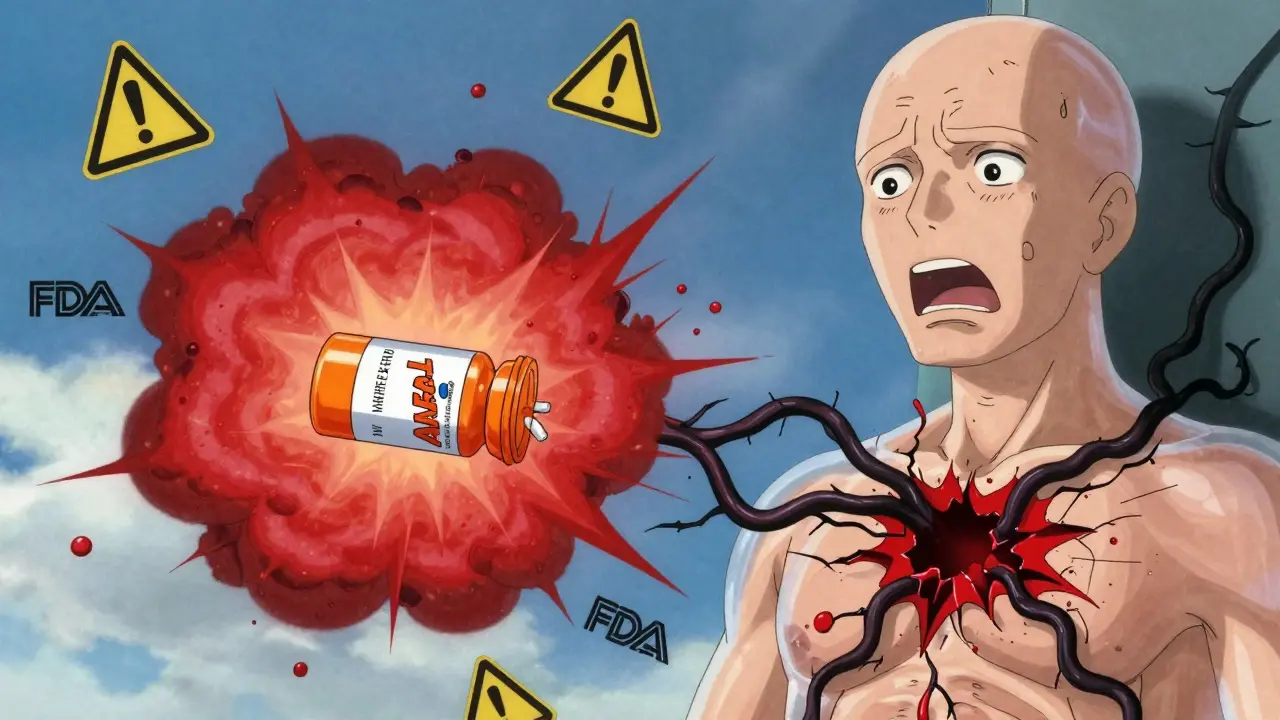
Combining ADHD stimulants with MAOIs isn't just a bad idea-it can be life-threatening. Even if you’ve been on one of these medications for years, adding the other without knowing the risks could send your blood pressure through the roof in minutes. This isn’t theoretical. Real people have ended up in emergency rooms with systolic readings over 200 mmHg, strokes, or heart attacks because someone didn’t realize how dangerous this mix can be.
Why This Combination Is So Dangerous
ADHD stimulants like Adderall, Vyvanse, and Ritalin work by boosting dopamine and norepinephrine in your brain. That’s what helps with focus and attention. But norepinephrine also tightens your blood vessels and speeds up your heart. Meanwhile, MAOIs-drugs like phenelzine, tranylcypromine, and selegiline-block an enzyme called monoamine oxidase. This enzyme normally breaks down excess norepinephrine and tyramine (a chemical found in aged cheese, cured meats, and beer). When MAOIs are active in your body, those substances build up. Add a stimulant on top, and your body gets flooded with norepinephrine it can’t clear. The result? A sudden, violent spike in blood pressure.
This isn’t a mild increase. A hypertensive crisis means systolic pressure hits 180 mmHg or higher, diastolic hits 110 or above. At that point, your arteries are under extreme stress. You could have a brain bleed, heart attack, aortic dissection, or even die. The FDA has black box warnings on all ADHD stimulants for this exact reason. That’s the strongest warning they give.
Not All MAOIs Are the Same
Some MAOIs are riskier than others. Tranylcypromine and phenelzine are old-school, irreversible inhibitors. They shut down monoamine oxidase completely-and they stay active for weeks. If you stop one of these, you still need to wait at least 14 days before starting a stimulant. Even then, doctors recommend starting with a very low dose and monitoring closely.
Transdermal selegiline (Emsam patch) is different. At low doses (6 mg/24 hours), it mainly blocks MAO-B in the skin, not MAO-A in the gut. That means it doesn’t interfere as much with tyramine from food. The FDA says it’s less likely to cause a crisis. But even this isn’t risk-free. There are still rare cases of dangerous spikes, especially if you eat high-tyramine foods or take higher doses.
Moclobemide, a reversible MAOI used in Europe and Canada, is even safer. It lets your body clear excess chemicals more easily. But it’s not approved in the U.S., so most American patients won’t have access to it.
Stimulants Vary Too
Not all ADHD meds are equal when paired with MAOIs. Amphetamines-like Adderall and Vyvanse-are more dangerous than methylphenidate-based drugs like Ritalin or Focalin. Why? Amphetamines force your nerve cells to release way more norepinephrine. Methylphenidate mostly blocks reuptake, which is a gentler effect. A 2005 review found amphetamines cause significantly stronger noradrenergic responses. That’s why doctors are even more cautious when someone on an MAOI needs an amphetamine-based stimulant.

What About Food?
If you’re on an older MAOI like phenelzine, you’ve probably heard about the tyramine diet. No aged cheeses, no soy sauce, no tap beer, no cured meats like salami or pepperoni. Tyramine builds up in these foods and, without MAO-A to break it down, it turns into a powerful vasoconstrictor. Add a stimulant, and your blood pressure can skyrocket. Even a small amount-like a slice of blue cheese-can trigger a crisis.
With low-dose Emsam patches, you don’t need to follow this diet. But if you switch to a higher dose (over 6 mg/24h), you’re back to strict restrictions. And if you’re on any oral MAOI, you’re always at risk. There’s no safe gray area.
Real Cases, Real Consequences
A 2023 case report from Cleveland Clinic described a 42-year-old man who took tranylcypromine for depression and started dextroamphetamine for ADHD. He also used psilocybin mushrooms-something he didn’t tell his doctor. Within hours, his blood pressure hit 210/120. He had chest pain, blurred vision, and was rushed to the ER. He survived, but barely. This wasn’t an outlier. Studies from Massachusetts General Hospital and Johns Hopkins show that while rare, these events happen-and they’re often linked to patients hiding other substances or not following washout periods.
On the flip side, a 2017 study followed 12 patients with treatment-resistant depression and ADHD who were carefully switched to lisdexamfetamine while still on an MAOI. They started at 10 mg per day, monitored their blood pressure at home twice daily, and avoided tyramine. No hypertensive crises occurred over six months. But this was under strict supervision by specialists. It’s not something you try at home.
What Doctors Actually Do
Most psychiatrists will tell you: don’t combine them. Full stop. The American Psychiatric Association’s 2022 guidelines call this combination a "strong recommendation against" with high-quality evidence. Less than 1% of antidepressant prescriptions in the U.S. are for MAOIs today. That’s down from 5% in 2000. Why? Because safer alternatives like SSRIs and SNRIs exist.
But in complex cases-when someone has tried everything else and still struggles with depression and ADHD-some specialists take a calculated risk. They wait 14 days after stopping the MAOI. They start the stimulant at 10-25% of the normal dose. They have the patient check blood pressure every 15-30 minutes for the first few hours, then daily for the first week. They avoid any other drugs that affect serotonin or blood pressure. And they never, ever do this without close follow-up.
Dr. Richard Friedman from Weill Cornell Medicine says he’s treated over 200 patients this way without incident. But he’s quick to add: "This isn’t for everyone. It’s for a tiny group of people who have no other options." Most doctors won’t even consider it.
What You Should Do
If you’re on an MAOI and your doctor suggests an ADHD stimulant, ask: "Is this absolutely necessary? Are there alternatives?" Don’t accept "it’s been done before" as an answer. Ask for the specific evidence. Request a written plan. Make sure they know your full medication list-including supplements and over-the-counter cold meds (many contain decongestants that can also raise blood pressure).
If you’re on a stimulant and your doctor wants to add an MAOI, push back. Ask why. Is this for depression? For anxiety? Is there another antidepressant that won’t risk your life? There are dozens of options that don’t carry this danger.
And if you’re switching from one to the other, never skip the 14-day washout. That’s not a suggestion. That’s the minimum time your body needs to rebuild the enzyme that breaks down norepinephrine. Do it sooner, and you’re playing Russian roulette with your heart.
The Bottom Line
This interaction isn’t a myth. It’s a documented, deadly risk. The odds of a crisis are low if you follow all rules-but they’re not zero. And when the consequences include stroke, heart attack, or death, even a 1% risk is too high for most people.
There are better ways to treat ADHD and depression together. Newer medications, therapy, lifestyle changes-these are safer paths. If you’re being pushed toward combining MAOIs and stimulants, get a second opinion. Ask your pharmacist. Read the FDA labels yourself. Don’t assume your doctor knows every risk. Some don’t. And if you’re ever unsure, err on the side of caution. Your blood pressure is worth more than a quick fix.
Can I take Adderall if I’m on an MAOI?
No. Combining Adderall (or any amphetamine-based stimulant) with an MAOI is strongly contraindicated. This combination can cause a life-threatening hypertensive crisis. Even if you’ve been on the MAOI for months, you must wait at least 14 days after stopping it before starting Adderall. Never combine them without explicit direction from a specialist-and even then, it’s extremely rare.
How long should I wait after stopping an MAOI before taking ADHD medication?
You must wait at least 14 days after stopping any MAOI before starting an ADHD stimulant. This is because MAOIs irreversibly block the enzyme that breaks down norepinephrine, and it takes about two weeks for your body to produce new enzymes. Starting a stimulant too soon can cause a sudden, dangerous spike in blood pressure. Some doctors recommend waiting longer if you were on a high dose or have liver issues.
Is the Emsam patch safer than oral MAOIs when combined with stimulants?
At the lowest dose (6 mg/24 hours), the Emsam patch is less risky than oral MAOIs because it mainly inhibits MAO-B in the skin, not MAO-A in the gut. That means it doesn’t interfere as much with tyramine in food. However, it’s still not safe to combine with stimulants. The FDA warns that rare cases of hypertensive crisis have occurred even at low doses. Do not assume the patch is a safe option unless your psychiatrist has a detailed, documented plan and is monitoring you closely.
What foods should I avoid if I’m on an MAOI?
If you’re on an oral MAOI like phenelzine or tranylcypromine, avoid aged cheeses (blue, cheddar, parmesan), cured meats (salami, pepperoni), tap beer, soy sauce, fermented tofu, sauerkraut, and overripe fruits. These contain tyramine, which can trigger a hypertensive crisis when combined with MAOIs. Even small amounts can be dangerous. With low-dose Emsam (6 mg/24h), dietary restrictions are usually not required-but always confirm with your doctor.
Can I use over-the-counter cold medicine with an MAOI or stimulant?
No. Many OTC cold and allergy medicines contain decongestants like pseudoephedrine or phenylephrine, which are also stimulants. These can raise blood pressure dangerously when combined with MAOIs or ADHD stimulants. Always check labels for these ingredients and ask your pharmacist before taking anything. Even cough syrups or nasal sprays can pose a risk.
Are there safer alternatives to combining MAOIs and stimulants?
Yes. For depression, SSRIs like sertraline or SNRIs like venlafaxine are much safer and often effective. For ADHD, non-stimulants like atomoxetine (Strattera) or guanfacine (Intuniv) don’t carry the same risk. Behavioral therapy, exercise, sleep hygiene, and mindfulness can also help manage both conditions. Talk to your doctor about these options before considering a risky combination.