Epilepsy and Seizures: Types, Triggers, and Antiepileptic Medications
Understand the latest epilepsy classification system, common seizure types, triggers, and how antiepileptic drugs work. Learn what really matters for diagnosis and treatment.


Understand the latest epilepsy classification system, common seizure types, triggers, and how antiepileptic drugs work. Learn what really matters for diagnosis and treatment.
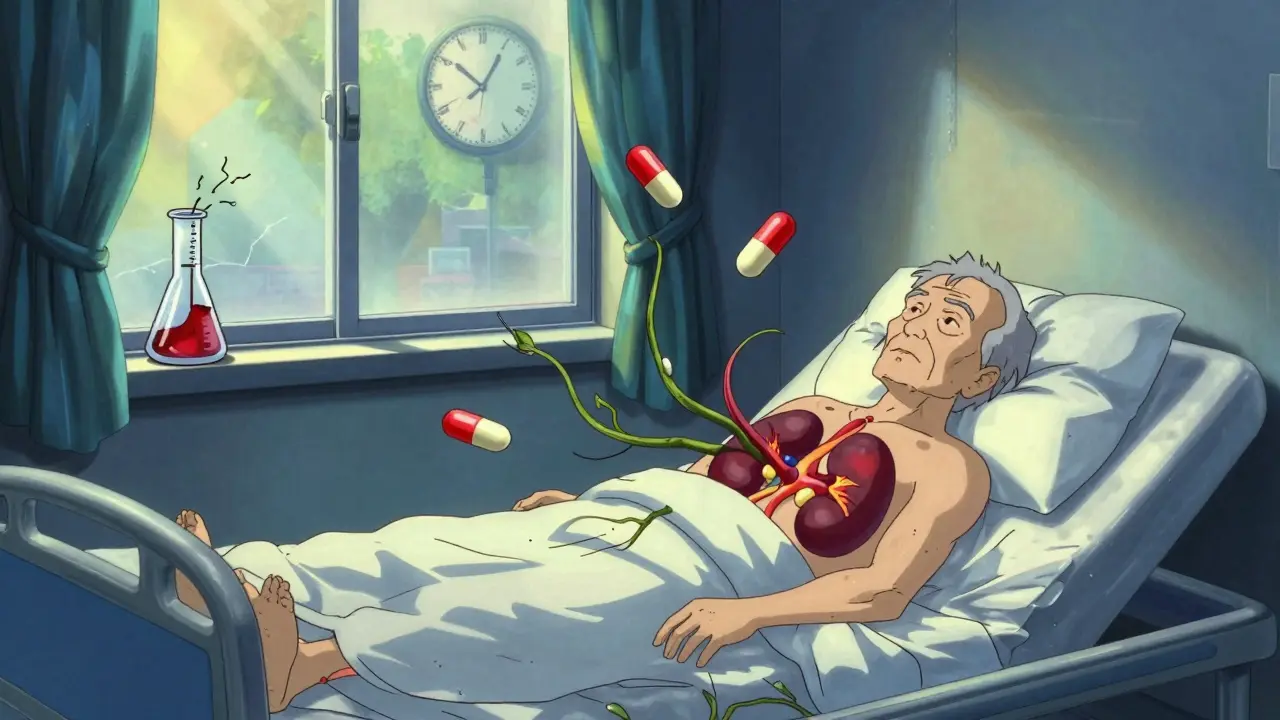
NSAIDs like ibuprofen and naproxen can cause sudden kidney damage, especially in people with existing kidney disease. Learn how to avoid acute kidney injury with simple, science-backed steps.
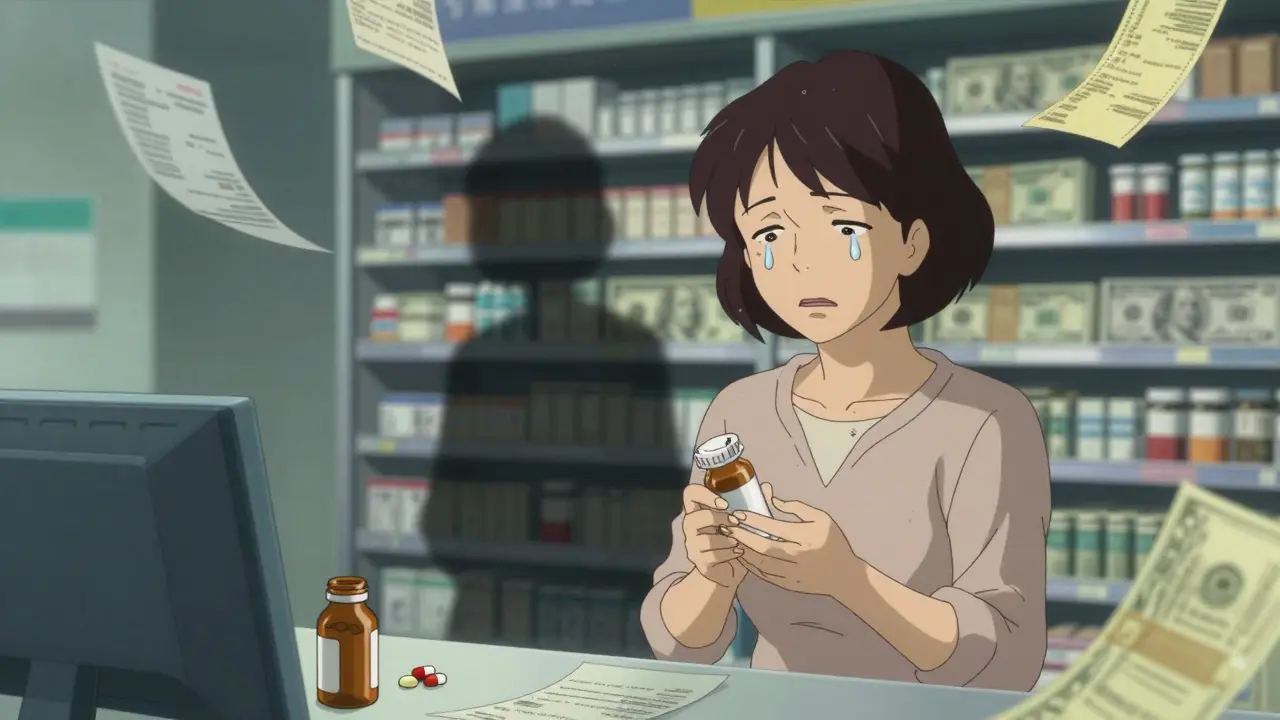
Cost barriers prevent millions from taking prescribed medications, leading to serious health risks. Learn why people skip doses, who’s most affected, and how to access affordable options-from patient programs to GoodRx and Medicare help.

FDA boxed warnings, or black box warnings, are the strongest safety alerts for prescription drugs. Learn what they mean, which drugs carry them, and how to stay safe when taking high-risk medications.
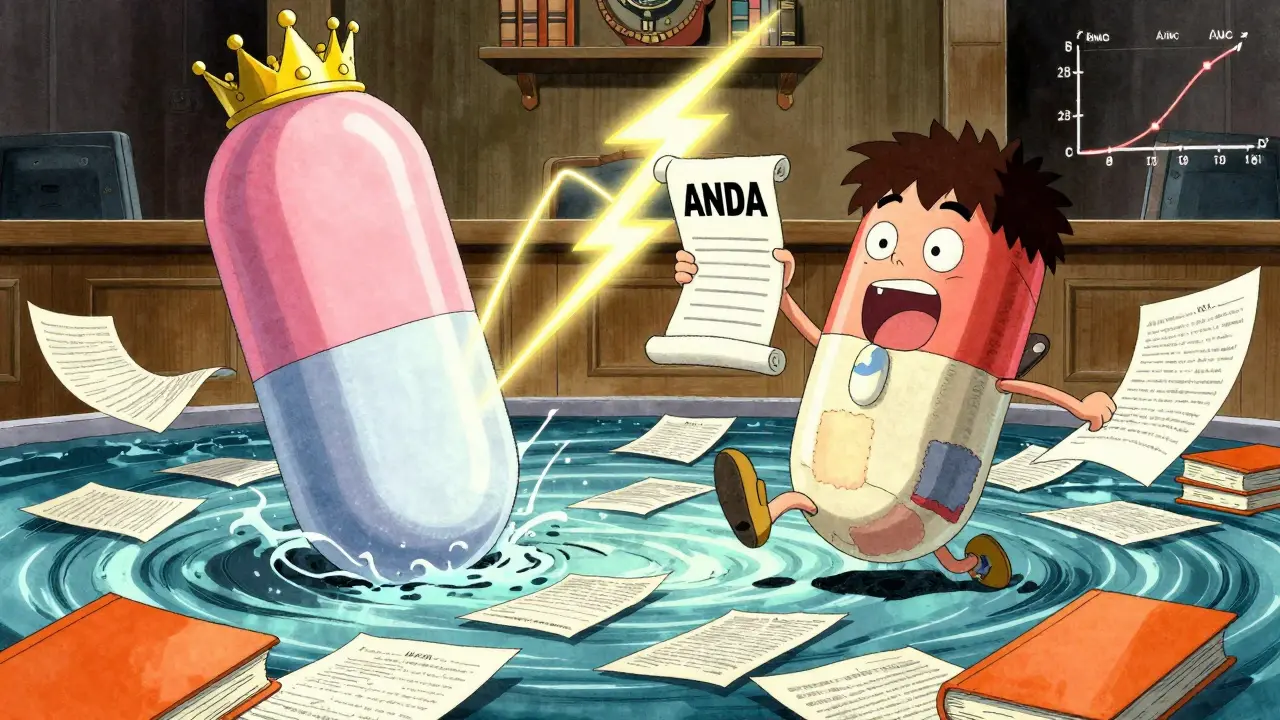
The Hatch-Waxman Act created the modern system for generic drug approval in the U.S., balancing innovation and affordability. It enabled 90% of prescriptions to be filled with generics, saving $158 billion annually.
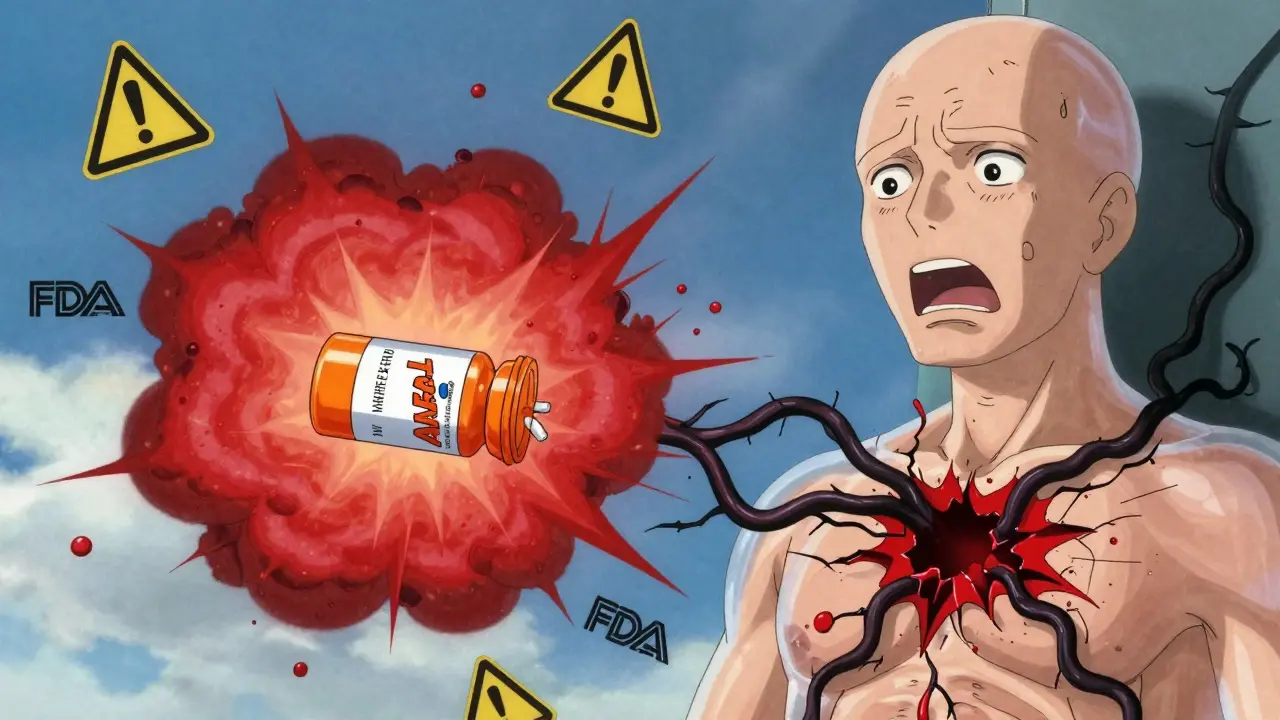
Combining ADHD stimulants with MAOIs can cause a dangerous hypertensive crisis. Learn why this interaction is life-threatening, which medications carry the highest risk, and what safer alternatives exist.
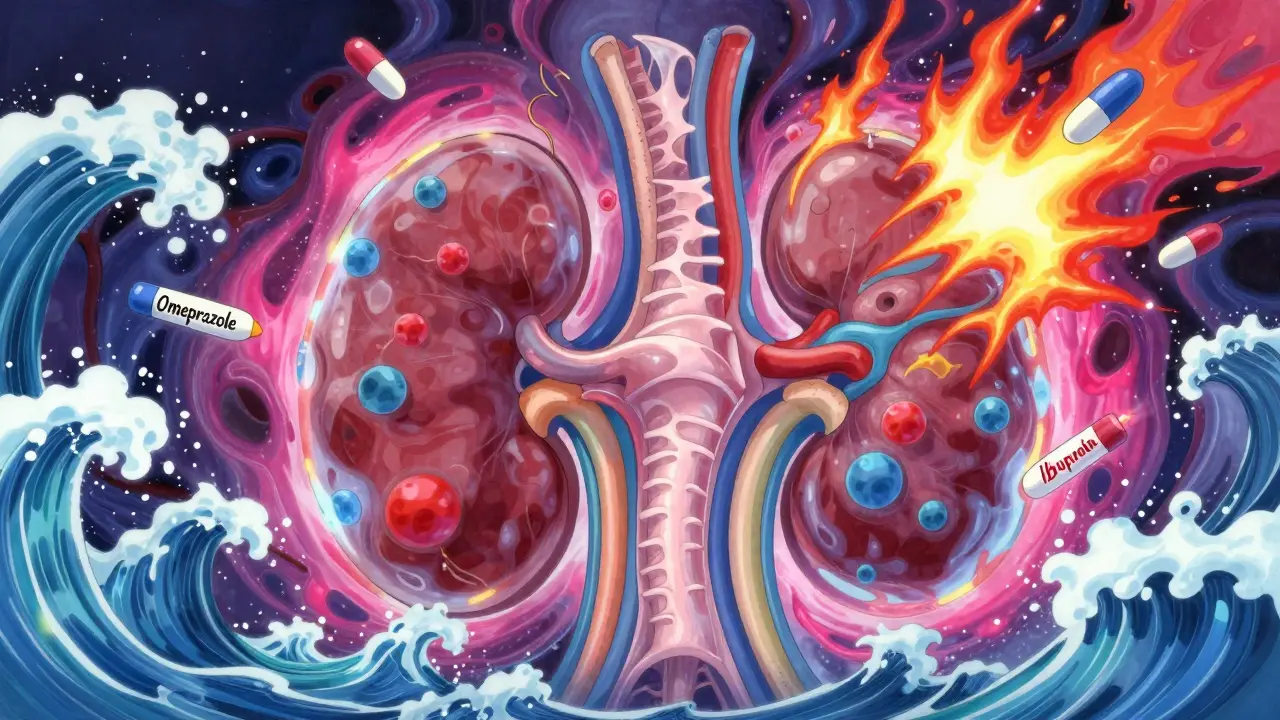
Acute interstitial nephritis is a drug-induced kidney injury that's often missed. Learn which medications cause it, how it's diagnosed, and why early action is the only thing that prevents permanent kidney damage.

Desensitization and Graded Motor Imagery are proven, non-drug treatments for CRPS that retrain the brain to stop misfiring pain signals. Learn how these therapies work, why they beat traditional methods, and how to start safely.

The FDA doesn't test every generic drug after approval, but it has a robust system to monitor safety through real-world reports, manufacturing data, and patient feedback. Here's how they catch problems and protect public health.

Learn how to spot, document, and report medication mistakes in elderly loved ones. From wrong doses to dangerous drug interactions, this guide gives you clear steps to protect seniors and hold facilities accountable.
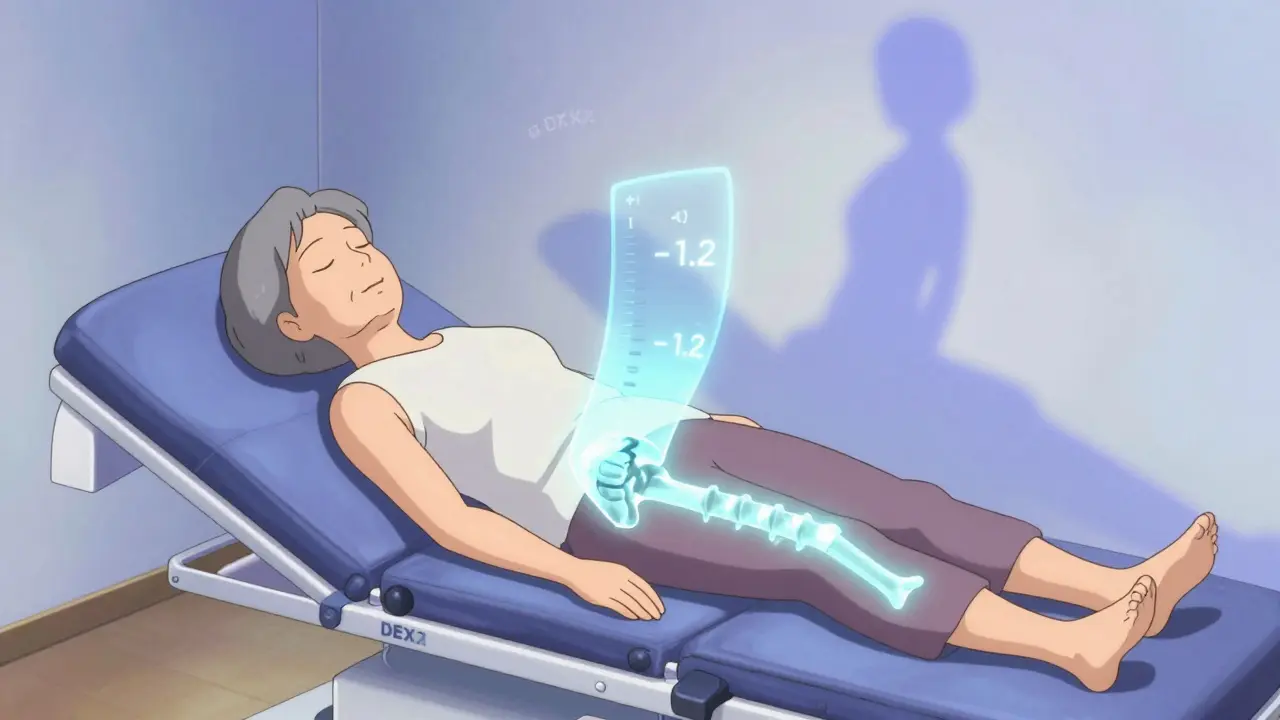
Learn how DEXA scan results reveal your bone health and fracture risk. Understand T-scores, FRAX risk tools, and what to do if your bones are weakening - before it's too late.
Safe opioid use for seniors requires low starting doses, careful monitoring, and avoiding dangerous drugs like meperidine and codeine. Buprenorphine and immediate-release options are preferred. Non-opioid alternatives and functional goals are key.